
The Complete Pest Control Guide for Toronto Homeowners: Every Common Pest, Every Season


Owning a home in the city means pests are always somewhere on your radar. In one season it's ants trailing across your kitchen counter, and by the next it's mice you can hear moving behind drywall. Pest control in Toronto isn't something homeowners can handle once and forget. When an infestation becomes difficult to manage, hiring a trusted exterminator in Toronto and the GTA can help address the problem before it gets worse. It's a routine that shifts along with the weather. This guide breaks down the pests that appear across the GTA throughout the year, when each one becomes active, what risks they carry, and the practical steps that keep a minor issue from turning into a serious infestation.
Toronto's weather moves between icy winters and sticky, humid summers, and each shift brings its own set of unwanted guests. Getting a handle on this seasonal pest control cycle is really what makes pest control work here. Instead of scrambling to react after pests show up, you stay a step ahead of them. This is essentially the thinking behind Integrated Pest Management (IPM): consistent, pest prevention planning rather than a single emergency treatment

.Why Toronto Homes Attract So Many Pests
Toronto's housing stock is a blend of century-old brick houses, brand new condo towers, tightly packed neighbourhoods, and ravines that cut straight through the urban landscape. That mix hands pests a steady supply of food, hiding spots, and moisture year-round.
Older properties in neighbourhoods such as The Beaches, Riverdale, and Leslieville tend to have hairline cracks near the foundation, worn-out window frames, and gaps around chimneys, all easy access points. Newer builds aren't safe from this either; openings around plumbing, ventilation, and shared utility lines still leave a way in. Combine that with warmer-than-usual recent winters and thick summer humidity, and pest activity in this city rarely fully stops, no matter the month.
Being close to ravines, parkland, and Lake Ontario adds another layer. Insects and wildlife living in these green spaces naturally head toward homes once food or shelter runs low outside. This is precisely why pest control in Toronto has to align with the seasons instead of fighting against them, and why one treatment seldom solves things permanently. Ongoing exclusion work and sealing off entry points matter far more than a single spray.
Spring: When Pests Wake Up and Get Moving
Once temperatures push past 10 degrees, pests that spent winter dormant become active again, hungry and ready to reproduce. Spring tends to be the season with the most new infestations, since pests are hunting for both food and nesting sites simultaneously, and plenty of homeowners are blindsided after a calm winter.
These are usually the first to appear:
Carpenter ants: Large, black ants that build nests inside wood softened by moisture. If you spot winged ants near your windows around April or May, there's likely a colony nearby that's in its mating phase.
Pavement ants: They form small dirt mounds along walkways and driveways. They look harmless enough, but bigger colonies will push into kitchens hunting for crumbs.
Spiders: As the air warms, spiders emerge from hiding, commonly in basements, garages, and window wells.
Early wasp nests: Surviving queens start small starter nests once spring arrives, often tucked into soffits, sheds, or attic corners. Dealing with a nest while it's still tiny is much safer and easier than waiting.
Spring is a good time to walk the perimeter of your home, checking for cracks, gaps, and wood that feels soft or damp. Pay close attention to where the foundation meets the siding; winter's freeze-and-thaw cycle tends to widen these spots. Closing them off now prevents structural damage and bigger repair bills down the road, and it also blocks the easiest routes pests would otherwise use to get a foothold indoors.
Summer: The Season of Maximum Pest Activity
Once heat and humidity take hold, pest numbers surge. Warm nights, pooled water, and longer daylight give pests exactly what they need to reproduce fast. An ant trail that's minor in June can balloon into a serious infestation by August if it's ignored, which is why summer is when most Toronto homeowners end up calling in professional pest control help.
The main summer offenders:
Wasps and hornets: A nest that's tiny in May can hold thousands of workers by late summer, and colonies grow noticeably more aggressive as they mature and start defending territory.
Mosquitoes: Pooled water in gutters, birdbaths, or plant saucers can become a breeding site within just a few days, especially after summer rainfall. Clearing these mosquito breeding sites is one of the easiest prevention steps around.
Cockroaches: German cockroaches multiply much faster once temperatures climb above 25 degrees. Spotting one in daylight is a bad sign. It usually means the indoor population is already sizable, since these insects normally avoid light.
Bed bugs: Summer travel, curbside secondhand furniture, and short-term rental turnover make this the peak time for bed bug problems, especially in apartments and condo units.
Tidying up your yard, clearing standing water, and fixing torn window screens all cut down how many pests get indoors during these months. It also helps to swap outdoor lighting, since regular bulbs pull in far more flying insects than yellow or LED options.
Fall: The Rush to Get Inside
As temperatures start falling, pests switch gears from reproducing to simply surviving. Fall is when the rodent invasion season kicks off, and it's arguably the most critical time for prevention, since whatever gets in now tends to stick around all winter. A report from the City of Toronto's Rat Response Plan, cited by CP24 in July 2025, found that rodent-related complaints to the city jumped from 1,165 in 2015 to 2,523 in 2024, more than doubling in under ten years, and a clear indicator of rising rodent pressure citywide.
Keep an eye out for:
Mice and rats: Mice can fit through gaps as narrow as a dime, and rats can squeeze through openings the size of a quarter. October and November are the busiest months for rodents hunting warm shelter before real cold arrives.
Spiders: Several spider species head indoors as the temperature drops, settling into quiet spots in basements and closets.
Cockroaches: They keep chasing warmth and moisture as it cools outside, especially in older buildings that share walls.
Boxelder bugs and stink bugs: These cluster on sun-warmed exterior walls before squeezing through tiny gaps near windows and siding.
Fall is the ideal window to check your home's exterior, seal gaps around utility lines, add door sweeps, and clear out your gutters. Every gap you seal now is one fewer entry point for pests trying to escape the cold, and this single season of effort often decides how manageable winter turns out to be.
Winter: Pests You Can't Always See
Plenty of homeowners assume pests vanish once snow starts falling, but really they've just relocated indoors and gone quiet. Winter pest issues are trickier to catch because the pest activity happens behind walls, beneath floors, or inside insulation, places nobody checks until something's clearly wrong.
Pests that remain active through winter:
Rodents: Mice and rats keep breeding indoors, gnaw through wiring, and get into stored food, often for weeks before anyone notices.
Cockroaches: Heated buildings, particularly older homes and apartments, keep roach populations going strong all winter regardless of outdoor temperatures.
Spiders: They typically stay put in basements, attics, and storage areas, feeding on smaller insects that are also overwintering indoors.
Overwintering insects: Ladybugs and boxelder bugs that snuck in during fall can resurface on warmer days near windows, pulled out by the sunlight coming through the glass.
Since winter pests are harder to spot, getting a professional pest inspection before the season fully sets in helps catch trouble that would otherwise go unnoticed until spring.
The Health Risks Pests Carry Into Your Home
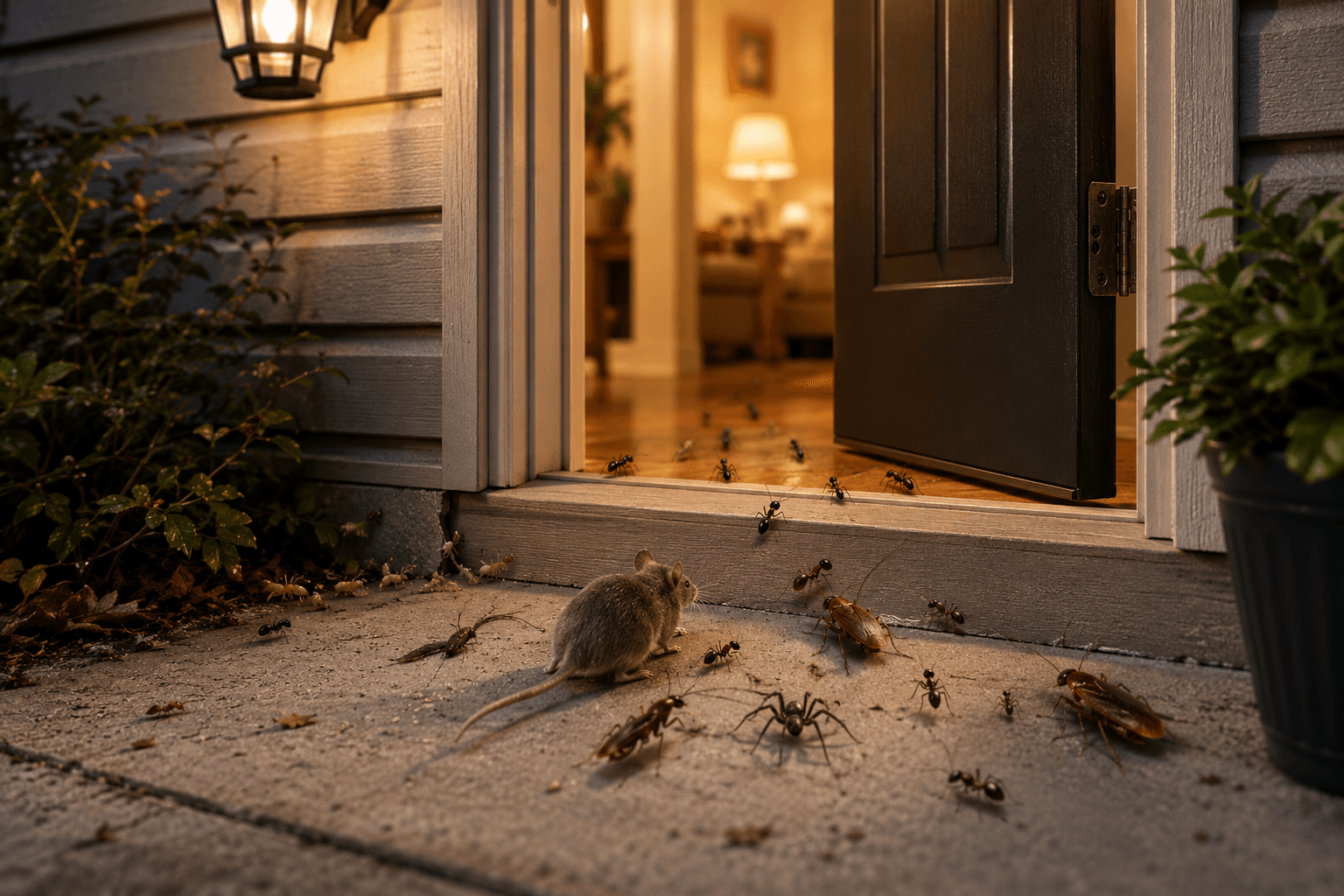
Beyond just being a nuisance, many common pests bring real health concerns homeowners shouldn't dismiss. Cockroaches can leave bacteria like Salmonella on kitchen surfaces, and their droppings are a recognized asthma trigger, particularly for kids. Rodents contaminate food supplies and can spread illness through droppings and urine left behind in pantries or storage spaces. Ticks picked up from tall grass or wooded areas bring the risk of Lyme disease, which has grown more common across southern Ontario in recent years.
Bed bugs don't spread disease, but they cause itchy bites and real stress, especially when an infestation moves through an apartment building. Since the pesticide products used against these pests fall under safety regulations, the Government of Canada outlines how such products get approved for household use, worth checking before picking any treatment method yourself. Many licensed pest control providers now lean on Health Canada-approved, eco-friendly products for this exact reason. Catching these risks early is another reason to act on the first warning signs of a problem instead of waiting to see if it resolves on its own.
Year-Round Habits That Actually Help
No matter the season, a handful of consistent habits go a long way toward keeping pests out of your home.
● Keep food in sealed, airtight containers and clean up spills immediately
● Take garbage out regularly and keep bins sealed shut
● Repair leaky pipes and dry out damp spots like basements
● Keep bushes and branches trimmed back from exterior walls
● Seal cracks around doors, windows, and utility openings
● Clean gutters regularly to stop moisture buildup near the foundation
None of these steps eliminate every risk on their own, but together they strip away the food, water, and shelter pests rely on, which is really the foundation of effective pest control in Toronto, and a core principle of Integrated Pest Management.
When DIY Stops Being Enough
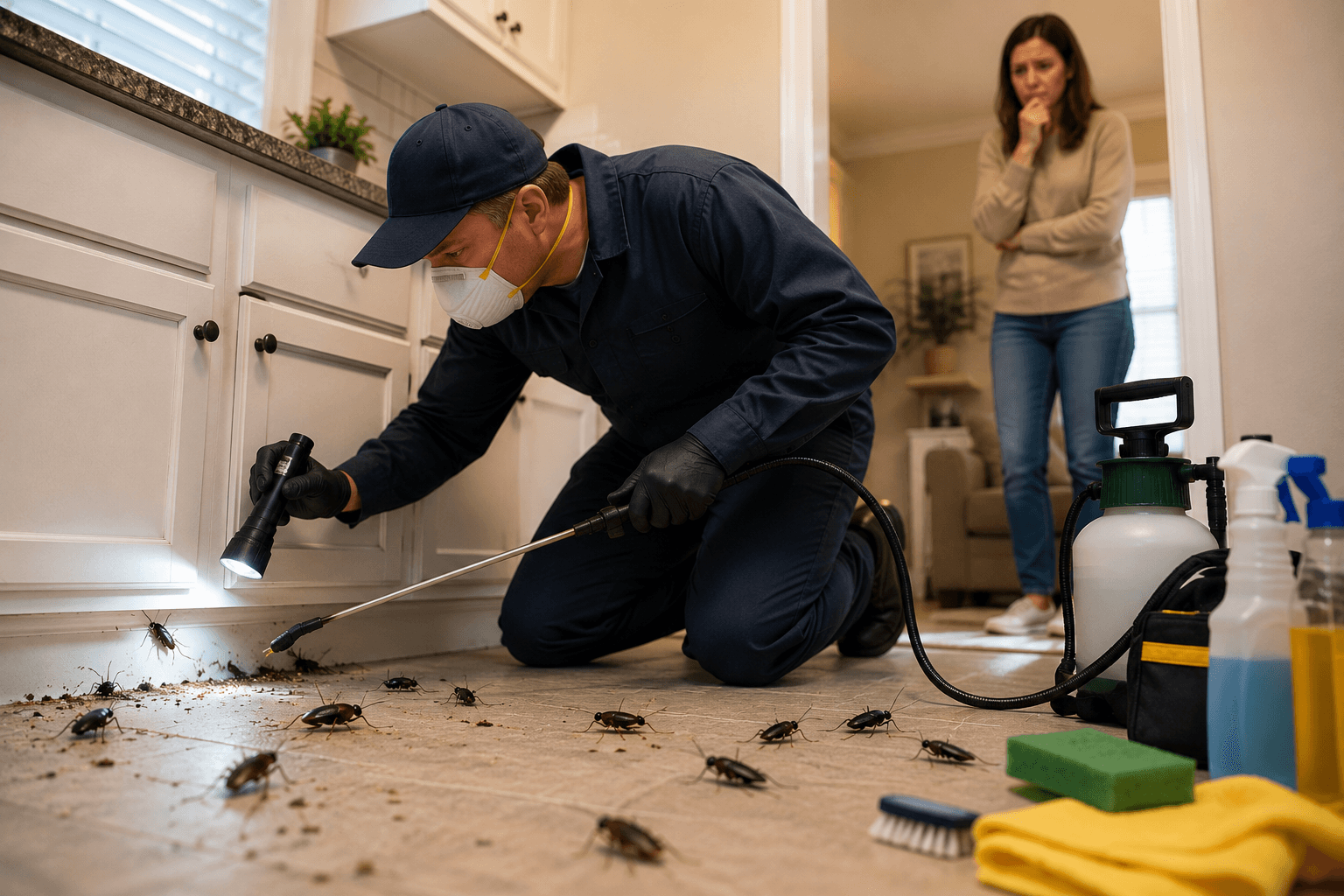
Homeowners can manage plenty on their own, sealing cracks and clearing clutter, but some situations genuinely need professional pest control. Bed bug infestations are notoriously hard to clear without heat treatment. Cockroach populations spread quickly and shrug off many store-bought products. Seeing rodents more than once usually means they're already established, not just passing through.
If pests keep coming back no matter what you try, that's a strong signal the issue runs deeper than home remedies can fix. Licensed, certified pest control technicians can pinpoint the exact species involved, track down hidden nests, and use treatments homeowners simply don't have access to, all while keeping your family and pets safe.
A Year-Round Pest Control Checklist
Here's a quick seasonal rundown to keep handy:
● Spring: Check for cracks, watch for carpenter ants and early wasp nests
● Summer: Clear standing water, watch for wasp activity and roaches
● Fall: Seal off entry points, get ready for rodent season
● Winter: Book a professional inspection, check hidden spots like attics and basements
Sticking to this rhythm turns pest control from a stressful, last-minute scramble into a normal part of home maintenance, and it stops small issues from snowballing into expensive repairs later.
Don't Wait for Pests to Settle In, Let Pest Troopers Move Them Out
Pests don't work around your schedule; they follow the weather, which means every season brings a fresh risk to your Toronto home. The upside is that most infestations can be prevented once you understand the patterns behind them. Stay alert each season, catch the early warning signs, and act fast. That's how you keep your home comfortable and pest-free all year.
If a pest problem ever feels bigger than what a DIY fix can handle, Pest Troopers is ready to step in. As a trusted name in Pest Control Toronto, Pest Troopers provides professional inspections and Health Canada-approved treatments built around the exact year-round protection plans covered here, keeping your home protected no matter the time of year.
Frequently Asked Questions
When is pest activity worst in Toronto?
Summer typically sees the highest pest activity thanks to heat and humidity, with wasps, mosquitoes, cockroaches, and bed bugs all peaking during this stretch. Fall isn't far behind, as rodents start hunting for winter shelter.
How can I tell if rodents are in my home during winter?
Look for droppings in pantries, scratching noises inside walls, and chewed wiring or food packaging. Rodents are most active at night, so a flashlight check of basements and attics is worthwhile.
Do carpenter ants actually damage homes?
Yes, they nest in wood that's been softened by moisture and can cause real structural damage over time. Winged ants near windows in spring are often the first clue. Treating the problem early prevents further wood damage.
Is it possible to handle bed bugs without calling a professional?
Store bought products alone rarely clear a bed bug infestation. They burrow deep into furniture and fabric, so heat treatment tends to be the most dependable fix. Professional help is strongly recommended for results that actually last.
Are pests still around during Toronto's winter months?
Yes, most simply relocate indoors instead of disappearing. Cockroaches and rodents thrive in heated buildings all winter long. That's why winter inspections matter just as much as spring ones.
How often should pest control services be scheduled?
A seasonal rhythm, at least one inspection per season, works well for most Toronto homes. It keeps you ahead of ants in spring, wasps in summer, rodents in fall, and hidden pests in winter. Regular monitoring is far simpler than dealing with a full blown infestation later.