
AI Pest Solutions:The Future of Smart Pest Management

Pest control is an essential aspect of maintaining healthy living environments in Canada. Infestations can lead to health risks, property damage, and significant financial losses. Traditional pest control methods often rely on chemicals and manual monitoring, which can be less effective and time-consuming. However, innovative AI pest solutions are transforming how we manage these issues. By employing artificial intelligence in pest control, we can achieve faster, more accurate, and environmentally friendly results. This blog will delve into the various facets of these AI-driven methods and their benefits for Canadian households and businesses.
Why This Problem Happens
Pest infestations are prevalent in Canada due to several factors. The changing climate, urbanization, and seasonal variations contribute to the rise in pest populations. Here are some of the reasons why pest problems occur:
Climate Change: Warmer winters and wetter summers create favorable conditions for pests like mosquitoes and rodents.
Urbanization: As cities expand, pests find new habitats in residential and commercial buildings, seeking food and shelter.
Food Availability: Improper food storage and waste management provide ample opportunities for pests to thrive.
By understanding these underlying causes, we can better address pest issues through targeted interventions.
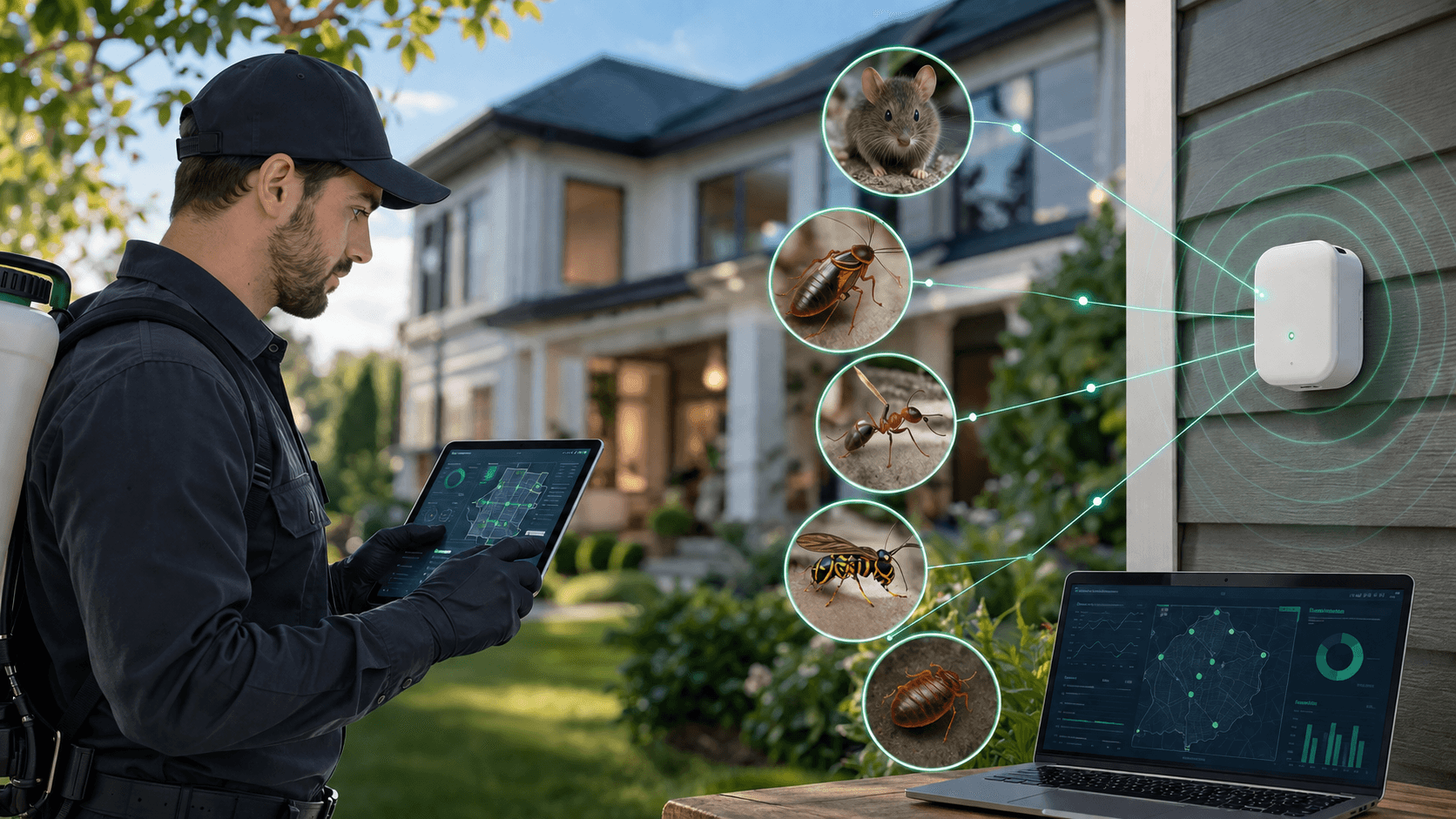
AI pest solutions utilize artificial intelligence to enhance the effectiveness of pest control. These solutions incorporate advanced technologies for monitoring and managing pests in homes and businesses.
AI-driven pest monitoring provides real-time data about pest activity.
Pest control robotics streamline treatment processes.
Small pest traps equipped with AI technology improve capture rates.
Signs & Symptoms
Timely detection of pest-related problems is essential for effective management. Recognizing the signs of infestations can save homeowners and businesses from more significant challenges down the line. Common signs of pest infestations include:
Droppings: Finding droppings in and around your home is a clear indication of pest presence. Different pests leave distinct droppings, which can help identify the species.
Gnaw Marks: Chewed wires, furniture, or food packaging can indicate rodents or insects.
Nests: Visible nests, such as those made by mice or ants, suggest an active infestation.
Unusual Noises: Sounds of scratching or movement, especially at night, can signify pests like rodents.
Damage to Property: Signs of damage to walls, insulation, or personal belongings can indicate a serious pest problem.
Identifying these symptoms early enables homeowners to take action before the situation escalates.
Step-by-Step Solution
Implementing AI pest solutions involves a systematic approach to pest management. Here’s a step-by-step guide to effectively utilizing these technologies:
Assessment: Begin by conducting a thorough inspection of your property to identify potential pest issues. Look for signs mentioned earlier and assess the extent of the infestation.
Monitoring: Deploy AI-driven pest monitoring systems. These tools use sensors and machine learning algorithms to track pest activity in real-time. They can alert you to unusual patterns, enabling proactive measures.
Treatment: Once pests are identified, apply targeted treatments. This could include using small pest traps that are enhanced with AI technology. These traps can automatically notify you when they capture a pest.
Evaluation: After treatment, analyze the results. Check the effectiveness of your pest management strategies and adjust them as necessary. AI tools can provide insights into whether the infestation has been resolved or if further action is needed.
Ongoing Monitoring: Continue to monitor your property using AI-driven solutions. Regular checks can help prevent future infestations and ensure a pest-free environment.
By following this structured approach, homeowners can improve their pest management efforts significantly.
Natural Methods
While AI pest solutions are highly effective, complementing them with natural methods can enhance overall pest management strategies. Here are some natural approaches to consider:
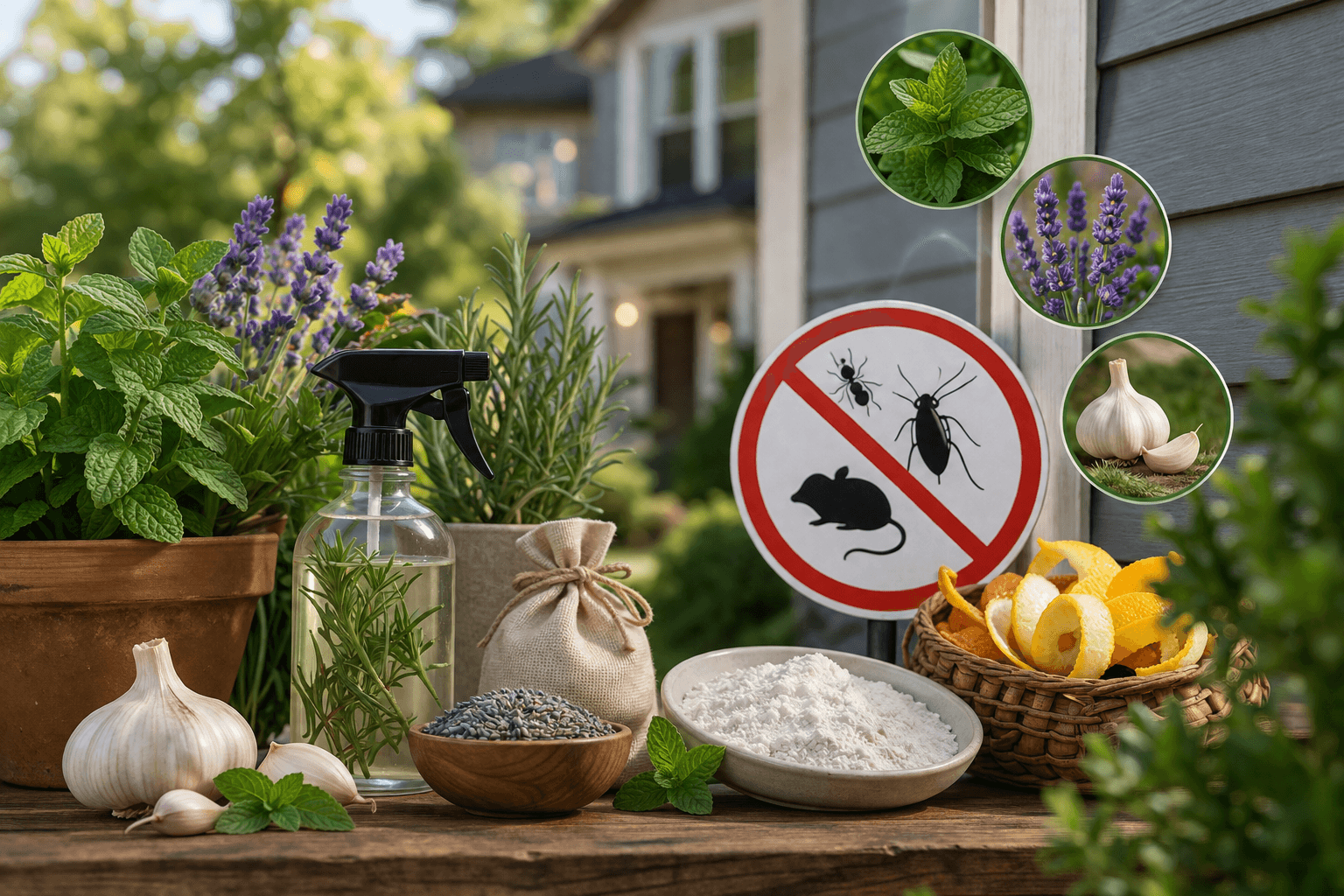
Essential Oils: Certain essential oils, like peppermint, lavender, and tea tree oil, can act as natural repellents. Spraying diluted solutions in areas prone to pests can deter them without harmful chemicals.
Diatomaceous Earth: This natural powder is effective against various insects. When pests come into contact with it, the powder damages their exoskeletons, leading to dehydration and death.
Homemade Traps: Simple traps using household items can capture pests. For example, a mixture of vinegar and dish soap can attract fruit flies and other small insects.
Companion Planting: For outdoor spaces, planting certain flowers or herbs can repel pests naturally. For instance, marigolds can deter nematodes and aphids.
These natural methods can be integrated into your pest management plan alongside AI solutions for a more holistic approach.
Professional Methods
In many cases, professional pest control services are necessary to tackle significant infestations. Here are some professional methods enhanced by technology:
Pest Control Robotics: These automated systems can navigate properties to identify and treat pest problems without human intervention. They use sensors to detect infestations and deploy targeted treatments.
Thermal Imaging: This technology detects temperature differences in walls and structures, identifying pest hotspots. Professionals can use this method to locate hidden infestations effectively.
Smart Traps: Enhanced with AI, these devices can monitor and report back on pest activity. They can send alerts when pests are caught, allowing for timely responses.
Integrated Pest Management (IPM): Many professionals employ IPM strategies that combine technology with traditional methods. This approach aims to minimize chemical use while maximizing effectiveness.
By utilizing these advanced methods, pest control professionals can provide more efficient and effective solutions.
By utilizing these advanced methods, pest control professionals can provide more efficient and effective solutions.
Prevention Tips
Preventing pest infestations is critical to maintaining a healthy living environment. Here are some proactive measures to take:
Seal Cracks and Crevices: Inspect your home for gaps and holes that pests could use to enter. Use a ceiling compound to seal these entry points.
Proper Food Storage: Store food in airtight containers and clean up spills promptly. Discard waste regularly and keep biodegradable waste containers sealed.
Maintain Cleanliness: Regularly clean kitchens, dining areas, and other high-risk locations. Ensure that dishes are washed and food waste is managed effectively.
Regular Inspections: Conduct routine inspections of your property, especially in basements, attics, and storage areas. Early detection of pest signs can prevent larger infestations.
Landscaping Practices: Trim shrubs and trees away from the building, and avoid planting directly against walls. This reduces hiding spots for pests.
By implementing these prevention tips, homeowners can significantly reduce their risk of pest problems.
Local Insights (Canada)
In Canada, pest challenges vary significantly by region. Urban areas often face issues with rodents, ants, and bed bugs, while rural settings deal with agricultural pests like locusts and aphids. Understanding local pest behavior and patterns helps tailor solutions effectively.
Urban Areas: Cities like Toronto and Vancouver experience rodent issues due to high population density and waste management challenges. AI-driven pest monitoring can help identify hotspots where rodent activity is highest.
Rural Areas: In agricultural regions, pests can threaten crops and livestock. Farmers can utilize AI pest solutions to monitor fields and implement timely interventions.
By recognizing these regional differences, pest control strategies can be more effectively tailored to meet specific needs.
Pros & Cons Analysis
Understanding the full spectrum of advantages and disadvantages helps homeowners make strategic decisions about AI pest solutions.
Pros:
Automated pest control robotics enhance efficiency, operating 24/7 without human intervention, ensuring consistent monitoring and swift responses to pest activity.
Real-time alerts and data analytics enable proactive decision-making, allowing minor issues to be addressed before they escalate into major infestations, saving time and resources.
Reduced chemical usage promotes healthier indoor environments and lessens environmental impact, contributing to sustainability and safer living conditions for occupants and pets.
Early detection and prevention lead to long-term cost savings, as avoiding expensive remediation treatments minimizes overall pest control expenses over time.
Comprehensive documentation and tracking of pest activity patterns aid in identifying root causes, allowing for targeted interventions in vulnerable areas of the property.
Remote monitoring capabilities provide peace of mind, enabling property owners to oversee their premises and manage pest control even when they are away from home.
Precision targeting ensures treatments are applied only where needed, significantly minimizing waste and reducing potential exposure to chemicals for inhabitants and the environment.
Cons:
The initial investment in automated pest control systems can be substantial, ranging from hundreds to thousands of dollars, which may deter some property owners.
A learning curve exists for users to master system setup, data interpretation, and optimal sensor placement, requiring time and effort to fully utilize the technology.
Reliance on technology means that power outages or connectivity issues can temporarily disable monitoring capabilities, potentially leading to lapses in pest control effectiveness.
Ongoing maintenance is necessary, including battery replacements, software updates, and occasional recalibration, which adds to the long-term cost of ownership.
Certain pest types may not trigger sensors or might evade detection zones, limiting the overall effectiveness of the automated pest control systems.
Privacy concerns arise with camera-based monitoring systems, as continuous surveillance may make property owners uneasy about data security and unauthorized access.
Potential for false positives exists, which can lead to unnecessary concern and trigger unwarranted responses, complicating the pest management process further.

When to Call a Professional
It's important to know when to seek professional help for pest control. Here are some scenarios where contacting a pest control expert is advisable:
Severe Infestations: If you notice a significant number of pests or damage to your property, it’s time to call in professionals.
Health Risks: Some pests, like rodents and cockroaches, can pose health risks. If you suspect these pests, professional intervention is crucial.
Ongoing Issues: If DIY methods fail to resolve the problem, professionals can provide targeted solutions based on their expertise.
Specialized Treatments: Certain pests require specific treatments that only professionals can provide. This includes bed bug removal or termite treatments.
Seeking professional help early can save time, money, and stress in the long run.
Conclusion
AI pest solutions revolutionize Canadian pest management by combining intelligent monitoring, automated traps, and predictive analytics. Pest Troopers delivers cutting-edge technology that ensures faster detection, reduced chemical use, and lasting protection for your property.
AI systems require higher initial costs but deliver exceptional long-term value through early detection, targeted treatments, and reduced service expenses. Most homeowners achieve cost savings within three years while enjoying continuous protection and peace of mind.
Climate change and urbanization increase pest pressures across Canada. We combine AI technology with professional expertise to provide customized solutions for your needs. Contact us today to transform your pest control strategy with smart technology.
FAQs about AI pest solutions
1. What are AI pest solutions?
AI pest solutions leverage artificial intelligence to monitor and manage pest infestations more effectively than traditional methods. They include automated traps, monitoring cameras, and prediction software that help detect pest problems early and manage them more effectively. These intelligent systems combine hardware sensors with sophisticated algorithms to create comprehensive, data-driven pest management ecosystems that adapt and learn from environmental conditions and pest behavior patterns over time.
2. How does AI-driven pest monitoring work?
These systems utilize sensors and machine learning algorithms to track pest activity in real-time, providing actionable insights for treatment. The system then analyzes this information alongside environmental factors like temperature, humidity, and weather patterns to detect trends and predict potential outbreaks. This entire process runs continuously without human intervention, providing 24/7 monitoring and only requiring action when necessary. Advanced models can distinguish between different pest species and even assess infestation severity levels automatically.
3. Are small pest traps effective?
Yes, when enhanced with AI technology, these traps can significantly improve capture rates and notify users when pests are caught. Smart traps use motion sensors, weight detection, and image recognition to confirm captures and automatically alert homeowners via smartphone notifications. They provide detailed data about pest types, capture times, and location patterns, enabling strategic placement adjustments. Unlike traditional traps that require manual checking, AI-enhanced versions optimize your pest control efforts through continuous learning and adaptation.
4. What is the cost difference between traditional and AI pest solutions?
AI solutions typically have a higher upfront cost but offer long-term savings through increased efficiency and reduced chemical usage. Traditional methods might cost $200-500 annually for regular treatments, while AI systems require $500-2000 initially for equipment installation. However, AI solutions reduce ongoing service costs by 40-60% through targeted interventions, early detection preventing costly damage, and decreased reliance on professional visits. Most homeowners achieve cost neutrality within two to three years of implementation.
5. When should I call a professional pest control service?
If you encounter a severe infestation or health risks associated with pests, it's advisable to seek professional help. Contact experts immediately when AI systems detect rapid population growth, when you observe structural damage, or if pests pose disease transmission risks like rodents or cockroaches. Professional intervention is also recommended for specialized pests such as termites, bed bugs, or venomous spiders. Additionally, seek assistance if DIY AI-guided efforts haven't reduced activity within two weeks of implementation.
6. Which pests are common in Canada?
Common pests include rodents, cockroaches, and agricultural pests, each requiring tailored management strategies. Mice and rats are prevalent year-round, particularly during winter months when seeking shelter. German cockroaches thrive in urban environments, while carpenter ants cause structural concerns in wooded areas. Other frequent invaders include bed bugs in cities, wasps during summer, and agricultural threats like aphids and cutworms. Regional variations exist, with coastal areas experiencing different pest pressures than prairie or northern regions.