
Early Spring Pest Detection: A Cost-Effective Strategy
KS
Every pest emergency tells the same story: early warning signs that seemed insignificant at the time. A small observation that didn't warrant immediate action. A minor concern pushed to the bottom of the to-do list. By the time the problem becomes obvious enough to demand attention, the simple solution has become a complex and costly crisis.
This happens to thousands of Canadian homeowners every year. The difference? Understanding pest life cycles and timing pest control correctly. When pests emerge from winter dormancy, they're vulnerable and easy to stop. Wait until summer, you're fighting armies of thousands.
This guide reveals how understanding pest reproductive cycles protects your property while saving money. A $200 spring prevention stops $2,000 summer emergencies. The clock is ticking, hundreds of pest queens across Canada are laying thousands of eggs right now.
Why Spring Pest Problems Happen in Canada
Temperature Triggers Pest Emergence
Warmer temperatures trigger pest emergence across Canada. As temperatures rise above 10°C, dormant insects and rodents wake from hibernation, seeking food sources.
What Happens During Spring:
✅ Seasonal pest activity peaks during breeding time
✅ Your home becomes attractive for shelter-seeking
✅ Colony establishment begins in wall voids and attics
✅ Mating flights distribute reproductive pests across neighborhoods
Moisture from melting snow and spring rains creates ideal breeding grounds for mosquitoes, ants, and other pests. Standing water in gutters becomes prime nesting sites for egg-laying insects. Warming weather accelerates maturation rates, allowing pests to complete life cycle stages faster than cooler months.
Increased Food Availability
Food availability increases dramatically in spring. Flowering plants attract pollinators and plant-feeding insects. Garbage and outdoor dining create accessible food sources for rodents, ants, and flies.
Why Pests Target Your Home:
✅ Warm wall voids provide perfect nesting sites
✅ Kitchen crumbs offer unlimited food
✅ Pet food becomes an all-you-can-eat buffet
✅ Bird feeders attract rodents and ants
✅ Compost bins become pest magnets
Understanding pest reproductive cycles helps Canadian homeowners to intervene early during vulnerable stages. Stop pests before they discover your home's attractions.
Understanding Complete Pest Life Cycles
The Four-Stage Development Process
Most Canadian pests follow complete metamorphosis with distinct lifecycle stages. Understanding each phase reveals life cycle vulnerabilities, making spring control effective.
Egg Stage: Female pests deposit eggs in protected locations during breeding season, inside walls, under floorboards, and in soil. A single carpenter ant queen lays 15-20 eggs daily. Termites produce thousands continuously. One German cockroach egg case contains 30-40 offspring. Early detection at this stage prevents entire generations. Eliminating one queen before egg laying prevents thousands of descendants.
Larva Stage: Immature insects emerge and focus on feeding through multiple molts. Larvae consume everything, caterpillars devour leaves, grubs destroy lawn roots, beetle larvae tunnel through wood beams. This stage causes most property damage. Targeting larvae before sexual maturity stops reproduction completely. They're vulnerable, exposed during feeding, and haven't developed defensive behaviors.
Pupa Stage: Larvae transform into adults inside protective cocoons. Some pests like bed bugs skip this through incomplete metamorphosis, molting directly to adulthood. Complete metamorphosis species become highly vulnerable during pupation. They cannot feed, move, or escape the treatments of pests, equivalent to being locked in during fumigation.
Adult Stage: Sexual maturity marks renewed breeding cycle. Adults seek mates through pheromones, establish territories, and start egg laying within days. Once populations reach this stage, colony multiplication accelerates rapidly. Spring treatments eliminate adults before oviposition creates next-generation problems.
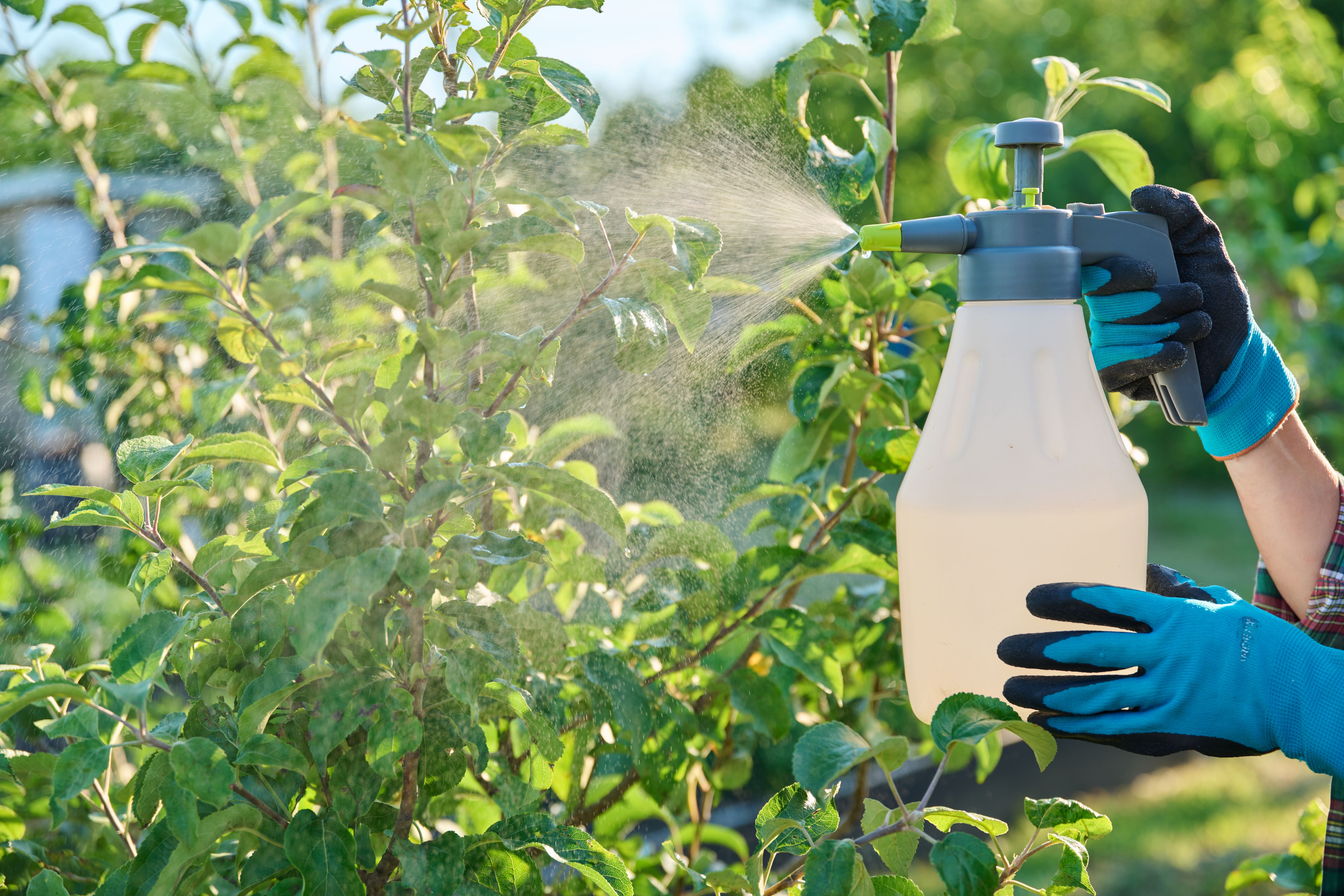
Rapid Breeding Creates Explosive Growth
Pest reproductive cycles operate on compressed timelines during warmer weather. Understanding these numbers explains why waiting transforms manageable problems into nightmares.
German Cockroaches: Speed Champions
These pests complete their entire life cycle in 100 days. Each female produces 30-40 eggs per egg case, multiple cases throughout lifetime. With overlapping generations, a single female creates 10,000 descendants within one year.
See one cockroach? Assume hundreds are hiding. Wait a month? Fighting thousands.
Ants: Colony Builders
Ants establish new colonies each spring through nesting season flights. Mated queens shed wings immediately, begin egg laying the same day. No delay, reproduction starts immediately.
Within 60-90 days, worker ants emerge and begin foraging. These workers feed the queen, who continues laying eggs continuously. By summer's end, mature colonies contain 100,000+ members if unchecked.
Mosquitoes: Explosion Artists
Mosquitoes demonstrate the fastest breeding cycle of common pests. Egg to blood-sucking adults requires only 7-10 days in ideal conditions. Standing water from a single rainstorm produces 1,000 mosquitoes within two weeks.
A clogged gutter produces tens of thousands monthly. One missed breeding site creates swarms, ruining summer barbecues.
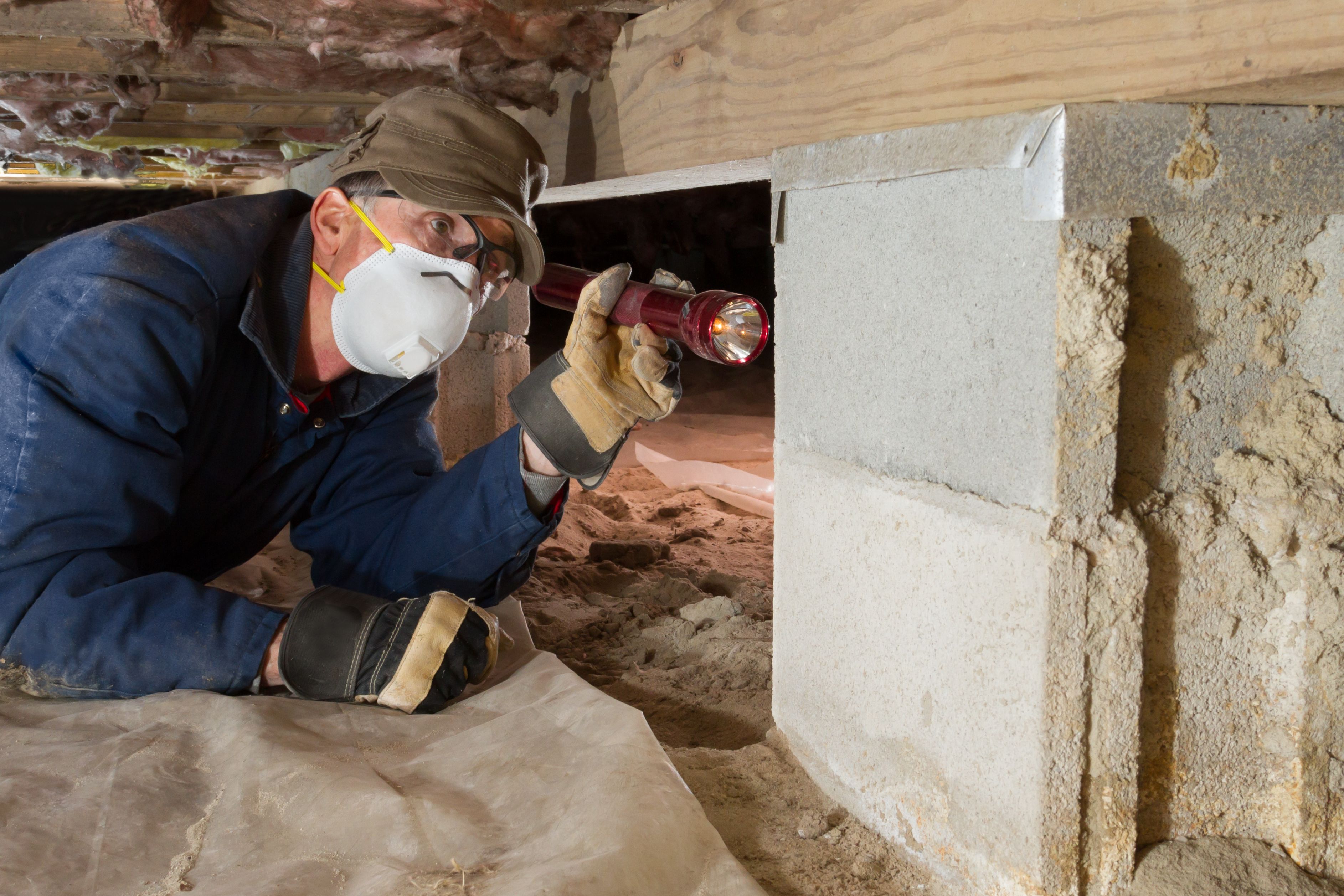
Signs of Early Spring Pest Activity
Indoor Warning Signals
Visual inspections reveal early warning system indicators before infestations establish. Train your eyes to spot subtle signs most homeowners miss.
Live Pest Sightings
Look for insects near windows, baseboards, and entry points during early March. Even a single carpenter ant indoors suggests a nearby colony containing thousands. Ants don't live alone; queens and workers nearby.
Feeding damage appears as tiny holes in fabrics, wood, and packaging. Fresh sawdust near baseboards indicates active termites or carpenter ants excavating galleries now. Damage to insulation suggests rodent activity and nest building.
Auditory Clues
Unusual sounds indicate hidden infestations eyes can't see. Scratching in the walls suggests mice or rats nesting between walls. Sound intensifies at night when rodents become active.
Buzzing near eaves signals wasp or hornet nest construction. The quiet hum in April becomes an angry roar by July. Early pest detection through auditory clues catches problems when removal costs stay minimal.
Outdoor Pest Indicators
Systematic surveys identify breeding sites and entry points before pests invade homes. Walk the property with purpose, know what you're looking for.
Foundation and Structure Checks
✅ Mud tubes indicate subterranean termites accessing the structure
✅ Ant trails to gaps suggest colony formation inside wall voids
✅ Follow trails to find entry points
✅ Seal now, trap scouts outside before the colony moves
Seasonal Emergence Signs
✅ Winged termites or swarming termites are found from late February through April
✅ Discarded wings near windows confirm active colonies nearby
✅ Pest forecasting based on local swarm times allows for preventative detection
✅ Know when termites swarm in your region
Water and Breeding Sites
Inspect gutters and downspouts for standing water during the spring months. Even small pools breed thousands of mosquitoes in days. Check under deck boards, tree holes, and around HVAC units for potential nesting sites.
Proactive monitoring eliminates threats before home entry.
Step-by-Step Early Detection Protocol
Week 1: Interior Inspection Checklist
Conduct visual inspections of all rooms with a flashlight. Document findings with photos for professional assessment. Focus where food, moisture, shelter converge.
Key Inspection Points:
✅ Baseboards, window sills, door frames for gaps
✅ Kitchen and bathrooms for moisture issues
✅ Pantry items for beetles or larvae
✅ Closets for fabric damage from carpet beetles
✅ Attic and basement for rodent droppings
Week 2: Exterior Perimeter Survey
Walk the entire property perimeter within 10 feet of the foundation. Pay attention where utilities enter home, forgotten gaps provide easy pest access.
Critical Checks:
✅ Cracks, gaps, and entry points needing repair
✅ Mud tubes, ant hills, wasp nests
✅ Gutter drainage and water pooling
✅ Debris piles providing shelter
✅ Vegetation touching the house exterior
Week 3: Monitoring Installation
Place sticky traps in strategic indoor locations. Check traps every 3 days. Monitoring reveals hidden activity, helps professionals target treatments precisely.
Trap Strategy
✅ Install glue traps along baseboards and corners
✅ Set pheromone traps for specific target pests
✅ Photograph trapped pests for pest identification
✅ Map trap locations showing the highest activity
✅ Adjust placement based on results
Week 4: Professional Assessment
Schedule pest inspection if traps reveal activity. Professional technicians use computer vision and AI detection tools to identify threats homeowners miss.
They establish action thresholds determining when treatment becomes necessary. Early spring inspections cost $100-200 but prevent $1,000+ emergency treatments later.
Natural Prevention Methods
Environmental Modifications
✅ Physical removal of attractants eliminates pest pressure without chemicals. Simple changes create hostile environments for pests.
✅ Remove all standing water sources weekly, including plant saucers, bird baths, and clogged gutters. This single action reduces mosquito populations by 80% according to Canadian pest control data.
✅ Seal entry points using caulk, weatherstripping, and steel wool. Focus on where utilities enter structures, foundation cracks, and gaps around windows.
✅ Exclusion methods prevent pest emergence indoors during spring migration periods.
✅ Store all food in sealed containers, including pet food and birdseed. Clean spills immediately, maintain spotless kitchens. Eliminate food sources and pests naturally relocate. This environmental modification approach reduces pest populations by 40-50% without treatments.
Biological Control Options
Encourage Natural Predators:
✅ Birds consume thousands of insects daily during breeding season
✅ Install nest boxes and native plantings attracting insectivorous species
✅ Ladybugs, lacewings, predatory beetles control aphids and mites
✅ Natural predators provide ongoing pest suppression
Beneficial Nematodes:
✅ Target soil-dwelling larvae and grubs
✅ Apply to lawns when soil temperatures reach 10°C
✅ Microscopic predators reduce beetle and grub populations 60-80% within 4-6 weeks
✅ Safe for plants, pets, beneficial insects
Diatomaceous Earth:
✅ Provides non-toxic mechanical control
✅ Sprinkle food-grade powder in cracks, crevices, and around foundations
✅ Abrasive material damages insect exoskeletons, causing dehydration
✅ Reapply after spring rains for continued protection
Professional Pest Control Methods
Integrated Pest Management Approach
Professional services use IPM (Integrated Pest Management), combining pest monitoring, targeted treatments, and prevention. IPM scouting identifies specific pest species and appropriate control methods.
A critical component of IPM success is detecting pests early in spring, when populations are small and confined. Research-backed strategies show that early spring pest detection significantly improves treatment precision, allowing technicians to eliminate queens, nests, and breeding sites before colonies expand into full infestations. This proactive timing reduces chemical use, limits structural damage, and prevents repeat treatments later in the season.
This science-based approach reduces pesticide application by 50% while improving effectiveness.
Technicians apply insecticide to foundation perimeters, entry points, and breeding grounds. Early spring applications intercept pests before indoor invasion. This proactive approach costs $200-400 but prevents $800-1,500 in interior treatments.
Bait stations provide targeted treatments for ants, cockroaches, and rodents. Strategically placed stations allow for monitoring and control simultaneously. Professionals adjust bait types based on pest identification and feeding preferences. This method achieves 90%+ control within 2-4 weeks.
Advanced Detection Technology
Modern pest control uses camera systems and automated detection, identifying infestations early. Thermal imaging reveals rodent nests in wall voids and attics. Moisture meters locate conditions, favoring termites before visible damage appears.
Pheromone lures attract specific target species for monitoring and mass trapping. Species-specific tools catch pests without impacting beneficial insects. Professionals analyze trap data, determining pest density and optimal timing for interventions.
AI detection platforms process inspection photos, identifying pest species and life cycle stages instantly. This technology improves pest recognition accuracy and treatment recommendations. Some services offer remote monitoring using smart sensors, alerting homeowners between scheduled visits.

Do's & Don'ts of Spring Pest Prevention
Essential Actions
DO Conduct Weekly Inspections during early spring months. Regular monitoring identifies emerging problems before populations explode. Walk the property perimeter to check for pest activity and entry points.
DO Seal Cracks Immediately as temperatures warm. Pest emergence from hibernation drives intense seeking of shelter and food sources. Physical barriers prevent indoor invasion during migration periods.
DO Remove Standing Water within 48 hours. Mosquitoes complete egg laying to the larva stage in 7 days. Weekly elimination of breeding sites prevents population surge before it begins.
DO Schedule Professional Inspections in March-April. Experts identify threats invisible to homeowners using specialized tools. Early detection through professional pest scouting provides peace of mind and prevents costly surprises.
DO Maintain Documentation of treatments and findings. Photos of pest activity, treatment records, and inspection reports create valuable history. This information helps professionals provide targeted treatments.
Critical Mistakes to Avoid
DON'T Wait for Visible Infestations before acting. Once you see pest populations, colonies are well-established requiring extensive treatments. Proactive detection prevents this scenario entirely.
DON'T Ignore Small Numbers of Pests indoors. Single carpenter ants or termites indicate nearby colonies containing thousands. What you see represents a tiny fraction of the actual population.
DON'T Use Excessive Pesticides without professional guidance. Misapplication wastes money, threatens health, and rarely solves problems effectively. IPM approaches integrate monitoring, prevention, and targeted treatments.
DON'T Neglect Exterior Maintenance during busy spring schedules. Trim vegetation, clean gutters, and remove debris piles. These simple actions eliminate breeding grounds and nesting sites.
DON'T Skip Follow-Up Monitoring after treatments. Pest reproductive cycles continue throughout the summer, requiring verification of control success. Regular scouting confirms long-lasting protection.
Conclusion
Understanding pest life cycles empowers Canadian homeowners to protect properties while slashing costs. Early spring detection targets pest reproductive cycles during vulnerable stages, preventing exponential growth and expensive summer infestations.
By timing interventions with pest emergence and breeding season, single treatments achieve results requiring multiple applications later. Proactive monitoring, environmental modifications, and professional partnerships create comprehensive protection.
Whether using natural exclusion methods or professional perimeter treatments, spring action delivers maximum effectiveness and long-lasting results. The choice between affordable prevention and costly reaction defines your pest control experience.
Don't wait for visible infestations, act now and contact Pest Troopers experts during early spring when Canadian pests are most vulnerable for long-lasting protection.
Frequently Asked Questions
Q: What is the most important time for pest prevention in Canada?
Early spring (March-April), when pests emerge from hibernation and begin breeding cycles, represents the critical period. This timing catches pests before population explosions occur, allowing single treatments to prevent summer infestations that would otherwise require multiple expensive interventions throughout the season.
Q: How much money does early spring pest control actually save?
Spring prevention costs 60-80% less than summer treatments, typically saving $500-2,000 annually on professional pest control services. The savings come from treating smaller populations with less product and labor, plus avoiding expensive damage repairs from established infestations that destroy property over time.
Q: Which pests should I worry about most in spring?
Carpenter ants, termites, wasps, mosquitoes, and rodents emerge during spring seeking food sources, nesting sites, and mates. These pests cause the most property damage and health concerns. Carpenter ants and termites destroy wood structures, wasps create dangerous nests, mosquitoes spread diseases, and rodents contaminate food.
Q: Can I handle spring pest prevention myself or need professionals?
DIY works for prevention and minor issues like sealing entry points, removing standing water, and maintaining cleanliness. However, call professionals immediately for termites, carpenter ants, bed bugs, or any visible colonies. These pests require specialized equipment, commercial products, and expertise that homeowners lack for effective long-term control.
Q: How often should I inspect my property during spring?
Weekly visual inspections during March-May catch emerging problems before they establish; monthly checks suffice for maintained properties with no pest history. Focus inspections on potential entry points, moisture areas, and previous problem locations. Document findings with photos to track changes and share with professionals if needed.
Q: What's the biggest mistake homeowners make with spring pests?
Waiting until visible infestations appear before taking action represents the costliest mistake. By then, colonies are fully established, requiring 3-5 times more treatment expense than early intervention. Single pests indoors indicate thousands hiding nearby. Act immediately on warning signs rather than hoping problems resolve themselves naturally.
Q: Do spring treatments work all summer or need repeating?
Quality spring perimeter treatments provide 90-120 day protection covering the critical breeding season; however, some properties need mid-summer follow-up based on pest pressure, property conditions, and local pest populations. Professional services typically schedule inspections 8-12 weeks after initial treatment to verify effectiveness and address any new activity.