
Seasonal Pest Guide: Toronto's Year-Round Pest


Living in the Greater Toronto Area means dealing with a rotating cast of unwanted guests throughout the year. Understanding seasonal pests Toronto homeowners face is your first line of defense against infestations that can damage your property and disrupt your peace of mind.
Whether you're in downtown Toronto, Mississauga, or anywhere across the GTA, pest activity follows predictable patterns tied to our Canadian climate. This comprehensive guide will walk you through what to expect each season and how to protect your home year-round.
Why Toronto's Climate Creates Year-Round Pest Challenges
Toronto's four distinct seasons create unique conditions that attract different pests throughout the year. Our humid summers, cold winters, and fluctuating temperatures during spring and fall force pests to constantly seek food sources, water sources, and shelter. This makes seasonal pest control in toronto not just recommended, it's essential for every Toronto homeowner.
Each season brings unique pests:
Summer: Mosquitoes, ants, and flies thrive in warm, humid conditions.
Fall: Rodents and spiders move indoors seeking warmth.
Winter: Mice and cockroaches survive inside heated homes.
Spring: Dormant pests emerge, making early prevention essential.
Urban Factors: Dense neighborhoods, proximity to Lake Ontario, older homes with cracks, and landscaped yards create ideal conditions for pests.
Learn more details: Book a Spring Pest Inspection
Tips for Homeowners:
👉 Inspect for gaps and leaks.
👉 Seal doors, windows, vents, and foundations.
👉 Store firewood and mulch away from the home.
👉 Keep food sealed and remove standing water.
👉 Schedule seasonal pest treatments.
Understanding Toronto’s seasonal patterns and local risks helps homeowners prevent infestations and protect their homes year-round.
Spring Pest Control in Toronto (March-May)
What Happens When Toronto Thaws
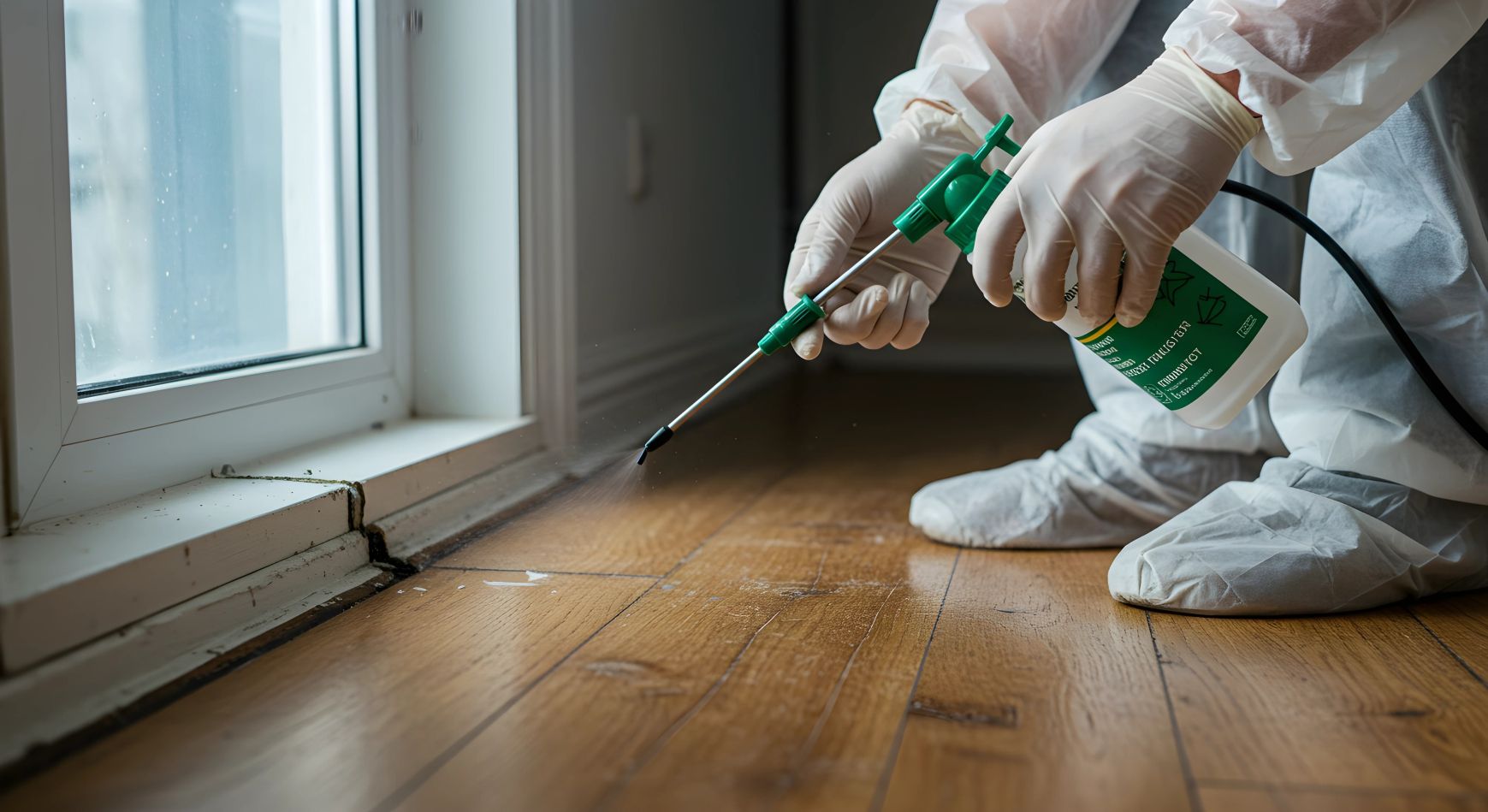
Spring is when seasonal pests Toronto residents worry about become most active. As temperatures rise above 10°C, insects that were dormant all winter suddenly wake up hungry and ready to reproduce. This is prime time for ant infestations, termite swarming, and spider activity.
Carpenter ants are particularly problematic in spring. These large black ants emerge from their winter hiding spots in walls and structural damage becomes visible. They're attracted to moisture-damaged wood, which is common in Toronto homes after winter ice and snow. If you see large ants with wings around your windows in April or May, you're witnessing their mating season.
Common Spring Pests to Watch For
Ants of various species become your biggest concern:
👉 Pavement ants create small dirt mounds on driveways and sidewalks
👉 Odorous house ants invade kitchens searching for sweets
👉 Pharaoh ants are tiny but persistent indoor invaders
👉 Carpenter ants can cause serious property damage if left unchecked
Mice and rats that spent winter indoors may become more active as they prepare to move outdoors. You'll notice increased activity in basements, attics, and wall voids. This is also when these rodents start breeding, with female mice capable of having 5-10 litters per year.

Spring Prevention Strategies
The key to managing seasonal pests Toronto homes face in spring is sealing entry points before insects and rodents establish themselves.Take a quick walk around your home’s exterior and identify :
👉 Cracks in foundation walls wider than a dime
👉 Gaps around windows and doors
👉 Openings where utility lines enter your home
👉 Damaged or missing weather stripping
👉 Torn window screens
Remove standing water from your property. Check gutters, downspouts, bird baths, and any containers that collect rainwater. Mosquitoes can breed in as little as a bottle cap of water, and spring is when they start their life cycle.
Clean up yard debris that accumulated over winter. Piles of leaves, wood, and organic material provide perfect nesting sites for various pests. Trim tree branches and shrubs that touch your home, these act as highways for ants and other insects.

Summer Pest Management in the GTA (June-August)
Peak Pest Season Arrives
Summer is officially peak pest season in Toronto. Warm temperatures and increased humidity create ideal conditions for rapid pest reproduction. This is when seasonal pests Toronto families encounter most frequently include mosquitoes, wasps, hornets, flies, and various outdoor pests.
Mosquito control becomes a daily concern. Toronto's humid summers and frequent rainfall create countless breeding grounds around residential properties. These disease-carrying insects aren't just annoying, they can transmit West Nile virus, which remains a concern in the GTA every summer.
Summer's Most Problematic Pests
Stinging insects build their colonies throughout summer:
👉 Wasps nest under eaves, in attics, and inside wall cavities
👉 Yellow jackets create underground nests that can house thousands
👉 Hornets build large paper nests in trees and under roofs
👉 Bees may swarm when looking for new hive locations
Flies become increasingly bothersome. Houseflies multiply quickly in garbage and organic waste. Fruit flies invade kitchens, attracted to ripening produce. Cluster flies gather on sunny exterior walls, preparing to invade homes in fall.
Cockroaches thrive in Toronto's summer heat. Both German cockroaches and American cockroaches become more active, breeding rapidly in warm, humid conditions. These pests spread disease and trigger allergic reactions in many people.
Effective Summer Prevention
Managing seasonal pests Toronto residents face during summer requires consistent effort. Proper food storage is critical: never leave food out overnight, and keep ripe fruit in the refrigerator. Take garbage out daily and keep bins tightly closed with lids.
Eliminate standing water weekly. Check and empty:
👉 Plant saucers
👉 Children's toys
👉 Tarps and pool covers
👉 Clogged gutters
👉 Air conditioner drip pans
Keep your lawn maintained. Long grass and overgrown vegetation harbor mosquitoes, ticks, and fleas. If you have pets, implement a tick prevention program. These parasites carry Lyme disease and are increasingly common in southern Ontario.
Install or repair window and door screens to keep flying insects out while allowing fresh air in. Use yellow or LED outdoor lights instead of standard bulbs, as they attract fewer insects.
Fall Pest Prevention for Toronto Homes (September-November)
The Great Indoor Migration
Fall is when seasonal pests Toronto homeowners need to be most vigilant. As temperatures drop, pests actively seek warm shelter for winter. This creates the year's most significant pest pressure on Toronto homes. What starts as a few insects or a single mouse can quickly become a major infestation if not addressed early.
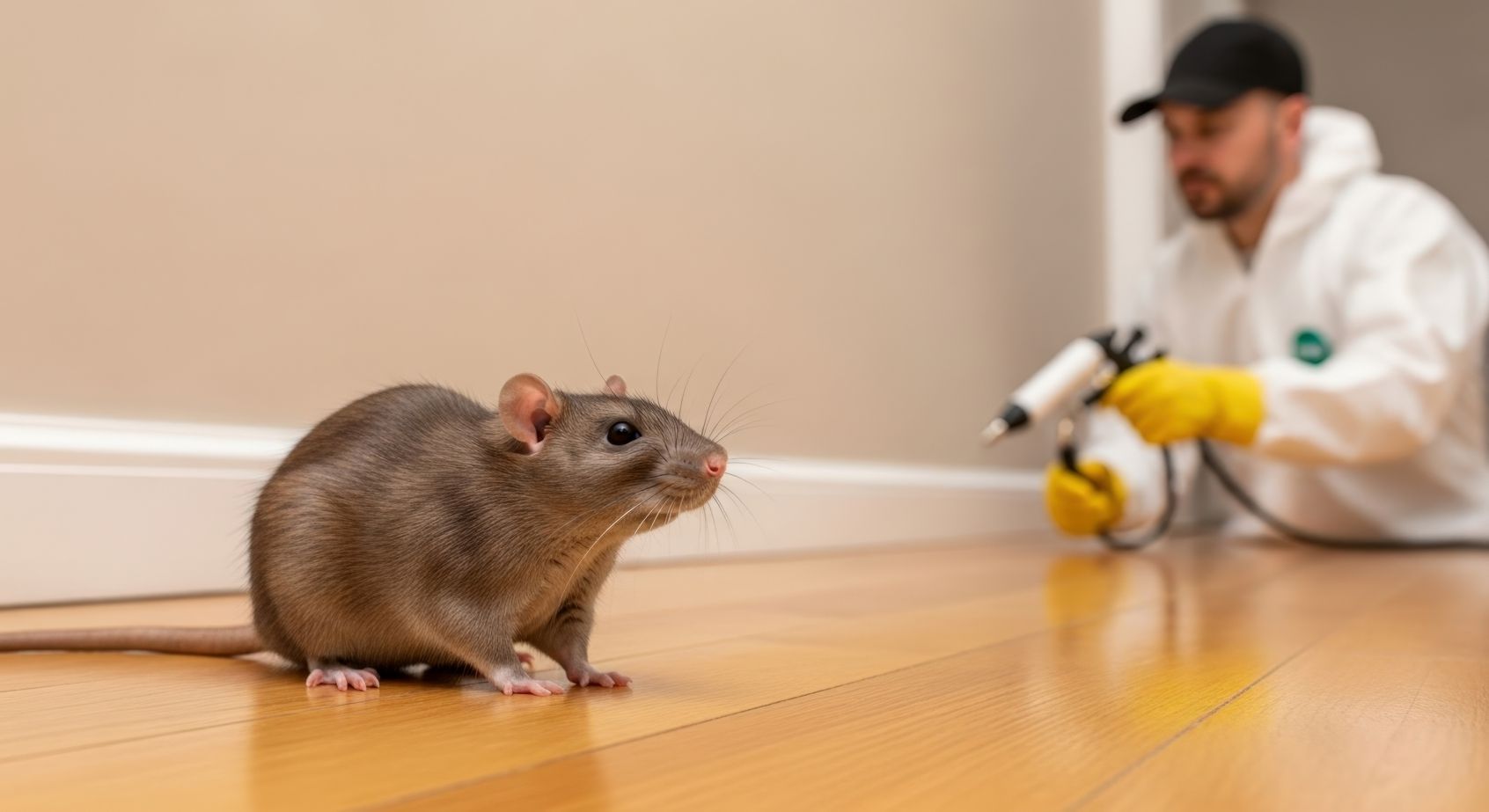
Rodent invasion season peaks in October and November. Mice can squeeze through dime-sized openings, and rats can enter through gaps as small as a quarter. These pests aren't just looking for warmth, they're seeking food and safe places to raise winter litters.
Fall's Invading Pests
Overwintering insects become a serious concern:
👉 Ladybugs (actually Asian lady beetles) gather by the thousands on sunny exterior walls
👉 Boxelder bugs swarm on buildings with box elder or maple trees nearby
👉 Stink bugs emit foul odors when disturbed or crushed
👉 Cluster flies squeeze through tiny gaps around windows
Spiders become more visible as they reach full size. Common Toronto species include:
👉 Wolf spiders (large, fast-moving, but harmless)
👉 Cellar spiders (daddy long-legs that prefer basements)
👉 House spiders (build cobwebs in corners)
👉 Dock spiders (occasionally wander indoors from waterfront areas)
Critical Fall Prevention Measures
Rodent-proofing your home is the most important fall task for preventing seasonal pests Toronto winters bring. Install door sweeps on all exterior doors, including garage doors. Replace worn weather stripping around doors and windows. Seal gaps around pipes, wires, and vents with steel wool and caulking rodents can't chew through steel wool.
Inspect your home's exterior thoroughly. Look up at the roofline for gaps where different building materials meet. Check foundation vents and crawl space openings for damage. Repair loose siding and replace missing roof shingles.
Clean up your yard before winter. Remove fallen leaves, which create hiding spots for pests. Keep firewood at least 20 feet away from your home and stacked off the ground. Trim tree branches that overhang your roof provide easy access for squirrels and other wildlife.
Consider having a professional pest inspection in early September. Licensed technicians can identify vulnerable areas before pests exploit them.
Winter Pest Monitoring in Toronto (December-February)
Indoor Pests During Toronto's Coldest Months
Don't assume winter's cold eliminates your pest problems. Seasonal pests Toronto residents encounter during winter are simply those that successfully moved indoors during fall. Your heated home provides ideal conditions for these pests to thrive while the world freezes outside.
Mice and rats are winter's primary concern. These rodents remain active year-round, breeding in your warm walls and attics. A single pair of mice can produce 60+ offspring in one winter. They contaminate food, damage insulation and wiring, and spread disease.
Common Winter Indoor Pests
Cockroaches don't hibernate. In fact, the warm, humid conditions inside Toronto homes during winter are perfect for German cockroaches. They hide in kitchens and bathrooms during the day, emerging at night to feed.
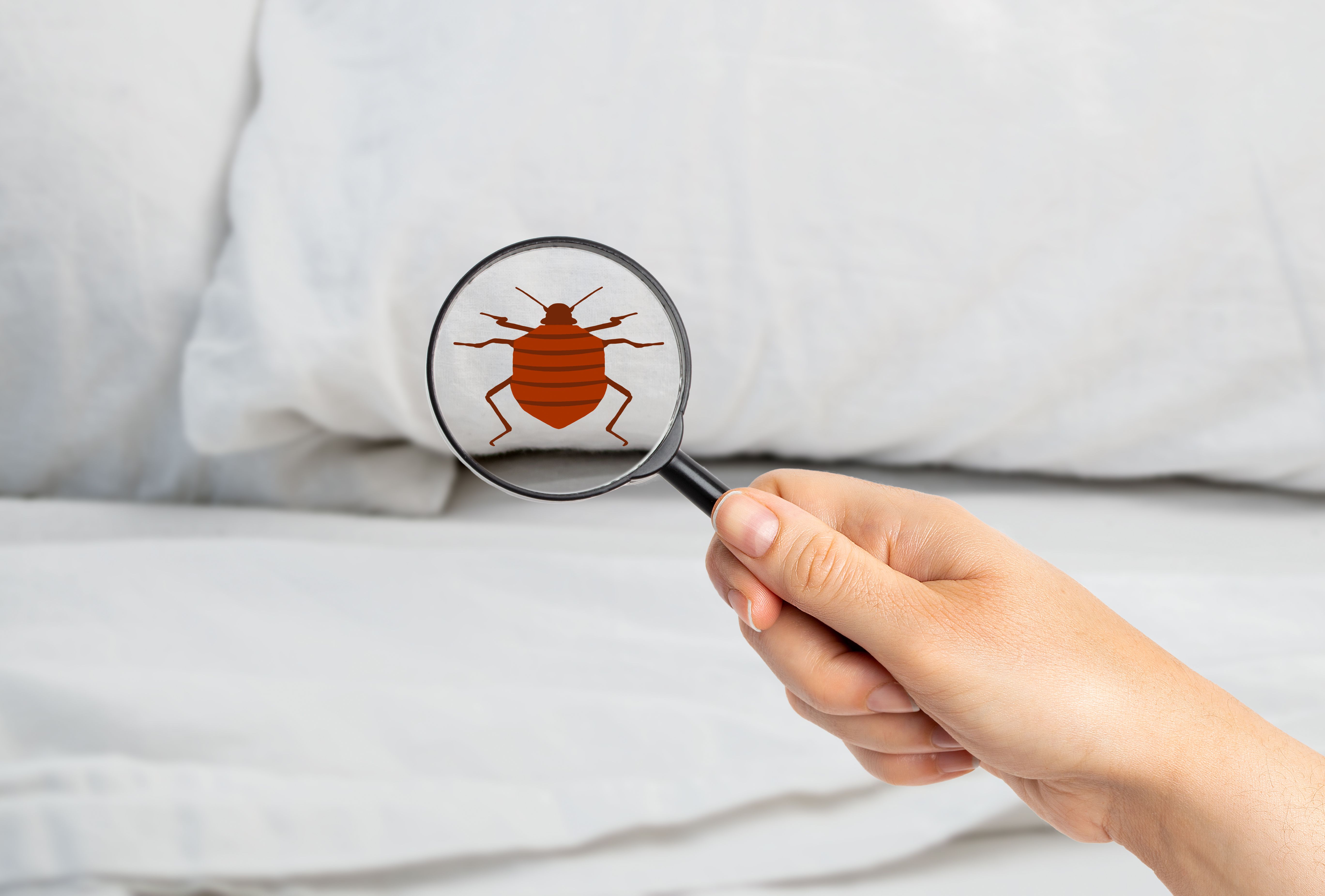
Bed bugs actually peak during winter holidays when travel increases. These parasites hitchhike home in luggage, on clothing, and in secondhand furniture. Toronto's high-rise buildings and frequent travel make bed bug infestations common year-round.
Pantry pests like grain beetles, weevils, and moths infest stored foods. They're often brought home in packages from the store and can quickly spread through your entire pantry.
Winter Prevention and Monitoring
Moisture control prevents many winter pest issues. Use dehumidifiers in basements and crawl spaces to maintain humidity below 50%. Fix any plumbing leaks immediately water attracts cockroaches and provides drinking sources for rodents.
Maintain cleanliness throughout winter. Don't leave dishes in the sink overnight. Vacuum regularly to remove crumbs and potential pest eggs. Store all food in sealed glass or plastic containers not original packaging.
Set out monitoring stations and traps. Place snap traps along walls where you've seen rodent evidence (droppings, gnaw marks, or unusual sounds in walls). Check traps daily and dispose of caught rodents immediately.
Keep your home properly heated. While you might want to save on energy costs, cold spots in your home can actually attract pests seeking warmth in unexpected areas.
Building a Comprehensive Defense
Successful management of seasonal pests Toronto homes face requires consistent, year-round prevention. Integrated Pest Management (IPM) combines multiple strategies to keep pests out without relying solely on pesticides.
Regular inspections are your best defense. Monthly walk-throughs of your home's interior and exterior help you spot problems early. Look for signs of infestation: droppings, gnaw marks, unusual smells, grease marks along walls, dead insects, or live pest sightings.
Essential Ongoing Prevention
Practice excellent sanitation habits:
👉 Store garbage in sealed bins and empty regularly
👉 Don't let clutter accumulate it provides hiding spots
👉 Keep kitchen counters clean and dry
👉 Vacuum frequently, especially in corners and under furniture
👉 Clean up pet food immediately after feeding
Landscape maintenance reduces pest pressure:
👉 Keep grass trimmed short (below 3 inches)
👉 Maintain a 2-foot clear zone between vegetation and your home's foundation
👉 Remove dead trees, stumps, and rotting wood
👉 Maintain a 6-inch gap between mulch and your foundation
👉 Trim bushes and shrubs so they don't touch your home
Use natural repellents strategically. Peppermint oil deters mice, while cedar repels many insects. Diatomaceous earth works as a natural barrier that dehydrates and kills crawling insects. However, understand that natural solutions work best as supplements to good sanitation and exclusion practices.

When to Call Professional Pest Control
Recognizing When You Need Expert Help
Some pest situations require professional intervention. Licensed pest control technicians have access to products and techniques unavailable to homeowners. They're trained to identify pest species, understand their behavior, and apply targeted treatments safely.
Call professionals immediately for:
Bed bug infestations (extremely difficult to eliminate without professional heat treatment)
Cockroach infestations (spread rapidly and resist many DIY treatments)
Multiple rodent sightings (indicates established population)
Any pest that returns despite your prevention efforts.
What Professional Services Provide
Certified technicians offer comprehensive inspections that identify current problems and vulnerable areas. They develop customized treatment plans based on your specific situation, property type, and the seasonal pests Toronto conditions present.
Professional services typically include:
👉 Initial inspection and identification
👉 Targeted treatments for current infestations
👉 Follow-up services to ensure complete elimination
👉 Preventive treatments to stop future problems
👉 Quarterly treatments or annual inspections for ongoing protection
👉 Guarantees on their work

Protecting Your Toronto Home Year-Round
Managing seasonal pests Toronto homeowners face doesn't have to be overwhelming. Understanding which pests appear during each season allows you to prepare accordingly. Consistent prevention, vigilant monitoring, and quick action when problems arise keep your home pest-free throughout the year.
Remember that pest control is an investment in your property and your family's health. Whether you choose DIY methods, professional services, or a combination approach, the key is consistency. Every season brings new challenges, but with the strategies outlined in this guide, you're equipped to handle whatever seasonal pests Toronto throws your way.
Stay proactive, maintain your property, and don't hesitate to call certified pest control professionals when situations exceed your capabilities. Your Toronto home deserves to be a comfortable, safe, pest-free environment for your family, not an all-season resort for unwanted invaders.
Frequently Asked Questions About Seasonal Pests in Toronto
1. What is the best time of year for pest control?
The best time for pest control depends on the type of pest. Generally, spring and early summer are ideal for preventative measures because many pests emerge after winter. Treating early can stop infestations before they spread. For seasonal pests like mosquitoes, late spring and summer are crucial. Winter can be used for inspecting and sealing entry points.
2. Does Toronto have a bedbug problem?
Yes, Toronto has experienced recurring bedbug issues, especially in multi-unit housing and hotels. Bedbugs thrive in urban areas due to high population density and travel. They are resilient, hide in cracks, and are hard to detect early. Regular inspection and professional pest control are essential. Preventive measures, like careful luggage handling, can reduce the risk.
3. What time of year are pests most active?
Pests are generally most active in warm months, from late spring through summer. Insects like ants, mosquitoes, and flies peak during higher temperatures. Rodents may seek shelter indoors during cooler months but breed actively in warmer seasons. Seasonal cycles influence pest activity and reproduction. Monitoring throughout the year helps control infestations effectively.
4. Which season is best for pest control?
Spring is considered the best season for pest control because pests are emerging and preventive treatments are most effective. Summer is also critical for targeting active infestations. Fall can be used to seal homes and prevent rodents entering for winter. Winter treatments may be limited but inspections can identify vulnerabilities. Seasonal planning ensures year-round pest management success.
5: What are the most common seasonal pests Toronto homeowners face?
The most common pests vary by season. Spring brings ants and emerging rodents. Summer peaks with mosquitoes, wasps, and flies. Fall sees invasions of mice, rats, and overwintering insects like ladybugs and stink bugs. Winter problems include rodents, cockroaches, and bed bugs that are already indoors.
6: When should I start pest prevention in Toronto?
Pest prevention is a year-round commitment, but critical periods exist. Begin exterior sealing and rodent-proofing in late August before fall invasions. Schedule spring inspections in March before insects become active. Don't wait until you see pests, proactive prevention is always more effective and less expensive than treating infestations.
7: Are seasonal pests dangerous to my family?
Many seasonal pests Toronto residents encounter carry health risks. Rodents spread diseases through their droppings, urine, and bites. Cockroaches trigger asthma and allergies. Mosquitoes and ticks transmit serious diseases like West Nile virus and Lyme disease. Stinging insects can cause severe allergic reactions. Even seemingly harmless pests contaminate food and damage property.
8: Can I handle pest control myself or do I need professionals?
DIY pest control works for minor issues and prevention. However, established infestations, particularly bed bugs, termites, cockroaches, and large rodent populations, require professional treatment. Many Toronto homeowners successfully use a combination approach: maintaining prevention themselves while relying on professionals for serious problems and quarterly treatments.
9: What's the biggest mistake Toronto homeowners make with pest control?
The biggest mistake is waiting until pests become visible before taking action. By the time you see a mouse, there's likely a family living in your walls. One cockroach means hundreds more hiding. Proactive, seasonal prevention costs less and causes less disruption than emergency treatments for established infestations.