
Professional Pest Inspection Benefits: What Pest Troopers Technicians Find That DIY Misses


When you spot ants trailing across your kitchen counter or hear scratching sounds in your walls, your first instinct might be to grab a spray bottle and handle it yourself. But here's what most Canadian homeowners don't realize: by the time you notice visible pest activity, there's usually a much larger problem hiding where you can't see it.
That's the fundamental difference between grabbing a can of bug spray and calling in trained experts. While you're treating the ants you can see, certified technicians are investigating why those ants are there in the first place, where they're coming from, and what conditions are allowing them to thrive. Professional inspections uncover the hidden issues that keep bringing pests back, no matter how many times you spray.
At Pest Troopers, our technicians spend years learning to read the subtle signs that most people walk past every day. We know where pests hide, how they behave throughout Canada's changing seasons, and what early warning signals mean you're facing a bigger issue than you thought. Understanding professional pest inspection benefits is essential for protecting your home and your family.
Why Expertise Makes All the Difference
You wouldn't diagnose your own medical condition based on internet searches, and pest problems deserve the same respect for specialized knowledge. The difference between a homeowner with a flashlight and a certified technician comes down to one word: training.
What Professional Training Actually Means
Pest Troopers technicians undergo extensive certification programs that cover insect biology, pest behavior patterns, identification techniques, and the latest treatment methodologies. This isn't just classroom theory , it's hands-on experience identifying dozens of species, understanding their life cycles, and recognizing the subtle differences between harmless nuisances and destructive invaders.
Consider carpenter ants versus pavement ants. To an untrained eye, they're both just "black ants." But a professional knows that carpenter ants nesting in your walls can compromise your home's structural integrity over time, while pavement ants are primarily outdoor pests that rarely cause serious damage. That distinction determines everything about how the problem should be addressed.
Reading the Signs Most People Miss
When our technicians inspect a property, they're not just looking for pests; they're reading a story. Those tiny sawdust piles near your baseboard? That's far from wood-boring insects. The faint musky smell in your bathroom? Could indicate a hidden moisture problem attracting silverfish or roaches. Those small holes in your drywall? Might be exit points for emerging beetles.
Homeowners see individual clues. Professionals connect those clues into patterns that reveal exactly what's happening behind your walls, under your floors, and in your attic spaces. This pattern recognition comes from seeing thousands of infestations across Canadian homes and learning to spot problems before they become emergencies. The gap between a homeowner's self-inspection and a professional assessment is crucial.
The Technology Advantage: Tools That See What You Can't
Professional pest management has evolved far beyond spray bottles and sticky traps. Today's certified technicians use specialized equipment that can detect pest activity in places homeowners can't access and identify problems that aren't visible to the naked eye.
Thermal Imaging Reveals Hidden Activity
One of the most powerful tools in a professional's arsenal is thermal imaging technology. These cameras detect temperature differences behind walls, under floors, and in ceiling spaces. Rodent nests generate warmth from body heat and nesting materials. Termite colonies in your walls create distinct thermal patterns as thousands of insects move and work. This technology allows Pest Troopers technicians to locate active infestations without tearing apart your walls to find them.
Moisture Meters Predict Future Problems
Pests need three things to survive: food, water, and shelter. While you might be diligent about storing food properly, hidden moisture issues often go undetected until they've created serious problems. Professional-grade moisture meters can measure humidity levels inside walls, under flooring, and in crawl spaces.
Elevated moisture readings tell technicians where pests are likely to nest, even if they haven't arrived yet. This preventive insight is something DIY inspections simply can't provide. By identifying these conducive conditions early, professionals can recommend corrections before you're dealing with a full-blown infestation.
Inspection Equipment That Goes Where You Can't
Pest Troopers technicians carry specialized tools designed for thorough property assessments: borescopes that inspect inside wall voids through tiny holes, extension mirrors that examine under appliances and behind cabinets, UV lights that reveal pest droppings and urine trails invisible in normal light, and professional-grade flashlights that illuminate the darkest crawl spaces and attic corners. All products used by Pest Troopers are approved by Health Canada for safe use in residential environments.
What Professionals Find That DIY Inspections Miss
The gap between a homeowner's self-inspection and a professional assessment often comes down to knowing exactly where to look and what you're looking at. The professional pest inspection benefits become clear when you see what trained eyes can detect that DIY approaches consistently miss.
Hidden Entry Points You'd Never Think to Check
Pests don't need your front door to be open. They're entering through gaps you didn't know existed. Professional inspections systematically examine every potential entry point around your property: where utility lines enter your home (cable, phone, electrical), gaps around exterior vents and exhaust fans, spaces where different building materials meet, tiny cracks in your foundation, and gaps under garage doors and crawl space entries.
Canadian homes face unique challenges with foundation settling during freeze-thaw cycles, creating new entry points each season. Pest Troopers technicians know to check areas that shift with our climate, catching access points before they become highways for pests.
Moisture Issues Creating Perfect Conditions
You might not have a pest problem yet, but you could be creating conditions that guarantee you'll have one soon. Professionals use moisture meters and their trained senses to identify humidity issues and water damage that attract pests.
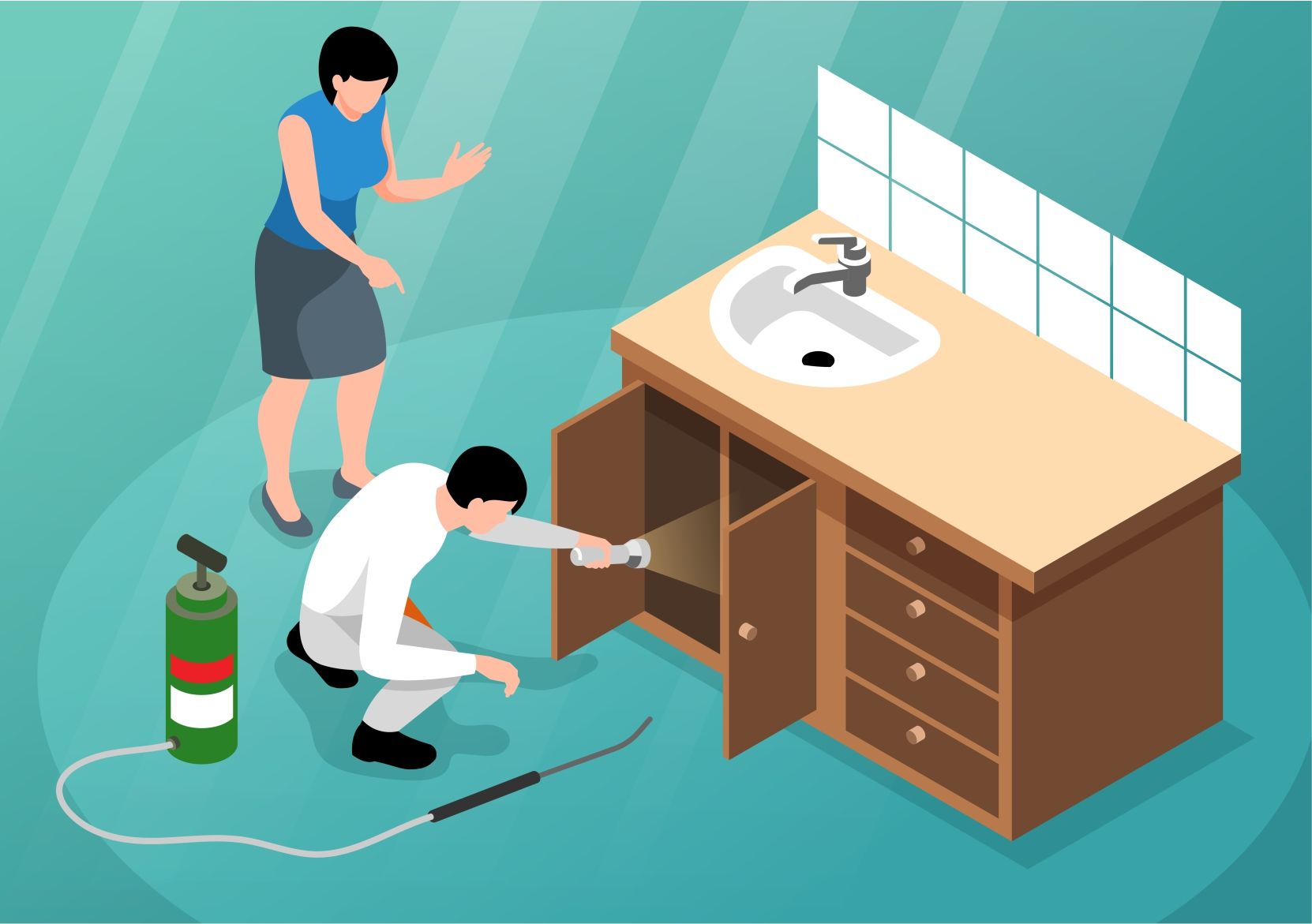
Common problems we find include condensation under bathroom sinks, roof leaks creating damp insulation in attics, poor ventilation in crawl spaces creating consistently high humidity, and drainage problems around foundations keeping soil moisture too high. These conditions are like hanging a "vacancy" sign for carpenter ants, silverfish, centipedes, cockroaches, and other moisture-loving pests.

Early-Stage Infestations Before They Explode
The most valuable thing a professional inspection provides is catching problems early, often weeks or months before a homeowner would notice anything wrong. Small populations of pests leave subtle signs that trained technicians recognize immediately.
A few tiny holes in stored fabric means moths or beetles are just beginning to establish themselves. Faint scratching sounds in walls that you thought were just the house settling? A technician knows those are rodent activity patterns. A few scattered droppings that you assumed were old? Fresh droppings tell professionals you have active pests right now.
Early detection means simpler treatments, less damage, and significantly lower costs. By the time most homeowners realize they need help, what could have been a straightforward treatment has become a major remediation project.
Structural Vulnerabilities and Damage
Some pests don't just annoy you, they actively damage your property. Carpenter ants, termites, and wood-boring beetles can compromise your home's structural integrity if left unchecked. Professional inspections include checking for hollow-sounding wood that indicates internal damage, moisture-damaged wood that attracts destructive pests, and compromised structural elements that need immediate attention.
Pest Troopers technicians know what damaged wood looks like, sounds like, and even feels like. We can distinguish between old damage and active infestations, and we know when structural repairs need to happen alongside pest treatments. This expertise protects your property value and your family's safety.
The Comprehensive Inspection Process
Understanding what happens during a professional inspection helps you appreciate the thoroughness that separates certified technicians from DIY attempts. Recognizing professional pest inspection benefits begins with understanding our systematic approach.
Starting with Your Observations
Every inspection begins with a conversation. We ask what you've noticed, when the activity started, and where you've seen the most pest activity. Your observations guide our initial focus areas and help us understand the timeline of the problem.
Systematic Interior Assessment
Our technicians methodically inspect every area of your home, not just the spots where you've seen pests. We examine kitchens and pantries for food storage issues, signs of rodent activity, and conditions that attract ants and roaches. Bathrooms and laundry areas get checked for moisture problems. Basements and crawl spaces are inspected for entry points and hidden pest activity. Attics and roof spaces are assessed for rodent nests, insect infestations, and structural concerns.
Exterior Perimeter Examination
Most pest problems start outside. That's why professional inspections always include a detailed exterior assessment, examining your home's foundation for cracks and gaps, checking how landscaping interacts with your structure, inspecting eaves, soffits, and roof edges for access points, evaluating drainage and moisture management around your property, and identifying outdoor pest populations that might move indoors.
Canadian properties face specific challenges with ice dam damage, foundation heaving from frost, and wood rot from snow accumulation. Pest Troopers technicians understand these regional factors and how they create pest vulnerabilities.
Documentation and Reporting
After completing the inspection, we don't just tell you what we found, we document everything. You'll receive a detailed report outlining identified pest activity, entry points and vulnerabilities, conducive conditions that need attention, immediate concerns requiring prompt treatment, and recommended preventive measures for long-term protection.
This documentation serves multiple purposes: it helps you understand exactly what's happening in your home, provides a baseline for measuring treatment effectiveness, and can be valuable if you're buying or selling property. Some insurance claims for pest damage also require professional inspection reports.
Why DIY Inspections Fall Short
It's not that homeowners aren't capable or intelligent, it's that effective pest inspections require specific knowledge, experience, and equipment that most people simply don't have access to. Understanding professional pest inspection benefits means recognizing what cannot be replicated without proper training and specialized tools.
Limited Access to Key Areas
Many pest problems hide in spaces that are difficult or dangerous for homeowners to access safely. Crawl spaces with limited clearance, attics with inadequate flooring, roof spaces requiring proper safety equipment, and wall voids that need specialized inspection tools all present challenges. Professional technicians have the training, equipment, and insurance coverage to safely inspect these high-risk areas.
Misidentification Leads to Wrong Solutions
You can follow all the treatment advice perfectly and still fail if you've misidentified the pest. Carpenter ants get mistaken for termites, leading to ineffective treatment approaches. Bed bug bites get blamed on fleas or spiders, delaying proper intervention. Mouse droppings get confused with bat droppings, resulting in completely wrong control strategies.
Professional identification means professional results. When we know exactly what species we're dealing with, we can implement treatments specifically designed for that pest's biology and behavior patterns.
Focusing on Symptoms Instead of Causes
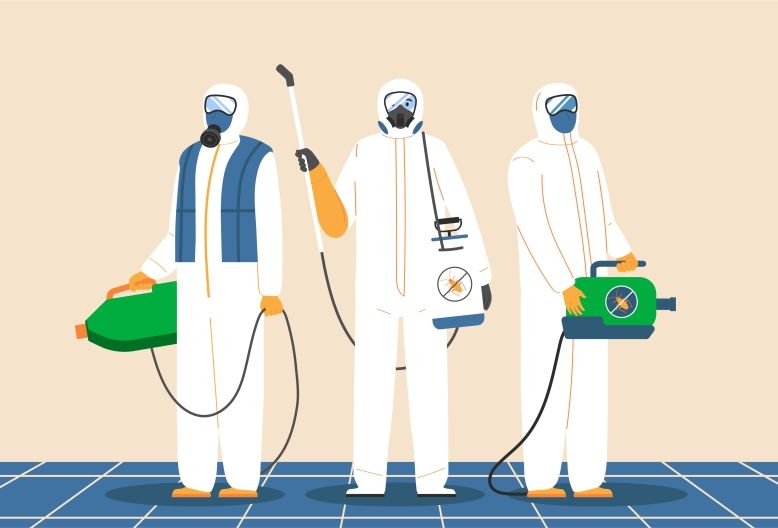
The biggest limitation of DIY approaches? They almost always treat visible pests without addressing why those pests are there. You kill the ants you can see, but you don't eliminate the colony sending them. You trap the mouse in your kitchen, but you don't seal the entry point that lets it inside.
Professional inspections identify root causes. Where are pests entering? What's attracting them? What conditions allow them to thrive? By addressing these underlying issues, treatments provide lasting results instead of temporary relief.
The Real Cost of Missing Hidden Problems
Skipping professional inspections might save money today, but it often costs significantly more in the long run. The professional pest inspection benefits become crystal clear when you consider the financial and health impacts of undetected problems.
Structural Damage Adds Up Fast
Carpenter ants and termites don't take breaks. They work 24/7, slowly compromising your home's structural integrity. A small colony that could have been eliminated with targeted treatment can cause thousands of dollars in damage if left undetected for months or years.
Pest Troopers regularly encounter situations where homeowners thought they had a minor problem, only to discover extensive hidden damage during our inspection. Floor joists weakened by years of carpenter ant activity, support beams with internal termite galleries, and roof framing damaged by moisture and insects, these repairs quickly exceed what preventive inspections would have cost.
Health Risks You Can't See
Some pest problems pose health risks that aren't immediately obvious. Rodent droppings in attics and wall voids contaminate insulation and air quality. Cockroach allergens trigger asthma and respiratory issues, especially in children. Bed bugs cause sleep disruption and psychological stress that affects entire families.
Professional inspections identify these health hazards before they impact your family. We find rodent contamination in attics that homeowners never enter, detect roach infestations before they spread throughout buildings, and catch bed bug problems before they require heat treatments and furniture disposal.
When DIY Makes Sense (and When It Doesn't)
We're not suggesting that homeowners can't handle anything pest-related on their own. There are situations where DIY approaches work fine, and others where professional help isn't just recommended, it's essential. Understanding professional pest inspection benefits helps you make the right choice for your situation.
DIY Can Work For
You might successfully handle a single wasp nest in an accessible location, occasional ants during summer that haven't established colonies indoors, or preventive measures like sealing obvious gaps and improving sanitation. These minor issues often respond well to store-bought products and basic prevention strategies.
You Need Professional Help For
Some situations require expert intervention: any structural pests like carpenter ants or termites, repeated infestations that keep coming back despite your efforts, large populations or multiple active nests, pests in inaccessible areas like wall voids or crawl spaces, and dangerous pests like wasps or hornets near high-traffic areas.
If you've tried DIY approaches more than once without lasting success, it's time to call in the professionals. Repeated failures often mean you're addressing symptoms without fixing the underlying problem, exactly what professional inspections are designed to uncover.
The Pest Troopers Inspection Advantage
What sets Pest Troopers apart isn't just our experience, it's our commitment to thorough, honest assessments that put your long-term protection first. When you experience the full range of professional pest inspection benefits, you'll understand the true value of expertise.
Certified Technicians Who Know Canadian Pests
Our team understands the specific pest challenges Canadian homeowners face. We know which species are active during each season, how our climate creates unique vulnerabilities, and what building practices common in Canadian construction mean for pest prevention.
This regional expertise matters. Pest behavior in Toronto differs from Edmonton differs from Vancouver, and solutions need to account for those local conditions. Pest Troopers technicians receive ongoing training specifically focused on the pests you're likely to encounter in your area.
No-Pressure, Honest Assessments
We've all heard horror stories about pest control companies using scare tactics to sell unnecessary services. That's not how we operate. Our inspections provide honest, accurate assessments of your property's pest status.
If you don't need treatment, we'll tell you. If minor preventive measures will solve your concern, we'll explain exactly what to do. And if you do need professional intervention, we'll explain why, show you the evidence, and outline your options without pressure or exaggerated claims.
Comprehensive Reports You Can Actually Understand
Our inspection reports aren't filled with technical jargon that leaves you confused. We explain what we found in plain language, show you photos of specific issues when relevant, and provide clear recommendations prioritized by urgency.
You'll understand exactly what's happening in your home, why it matters, and what steps will address both immediate concerns and long-term protection. This transparency helps you make informed decisions about your property and your family's safety.
Conclusion: The Smart Investment in Long-Term Protection
Professional inspections aren't an expense, they're an investment in protecting your property, your health, and your peace of mind. While store-bought sprays and DIY traps have their place for minor issues, they can't replace the trained eyes, specialized equipment, and comprehensive assessments that certified technicians provide.
The pests you can see are rarely the whole story. Behind your walls, under your floors, and in your attic spaces, conditions might be creating the perfect environment for infestations you won't notice until significant damage has occurred. The professional pest inspection benefits include catching problems early when they're manageable and avoiding costly repairs later.
At Pest Troopers, we've helped thousands of Canadian homeowners protect their properties through thorough, honest inspections and effective, long-lasting treatments. We know what to look for, where to find it, and how to fix it permanently. Whether you're dealing with active pest problems or want the peace of mind that comes with knowing your home is protected, our certified technicians are ready to help.
Don't wait until a minor concern becomes a major problem. Schedule your comprehensive property inspection today and discover the professional pest inspection benefits that can save you thousands in repairs and protect your family's health and safety.
People also Ask
1. What types of hidden entry points do professionals find?
Technicians inspect areas homeowners rarely check, including utility line penetrations, gaps behind siding, roofline openings, foundation cracks, dryer vents, soffits, crawl space doors, and spaces where building materials meet. These hidden access points often serve as major highways for rodents, insects, and seasonal pests entering Canadian homes.
2. What tools do professionals use that homeowners don’t have?
Certified technicians use thermal imaging cameras, moisture meters, borescopes, UV lights, and specialized inspection tools that detect activity behind walls, under floors, and in attic spaces. These devices identify temperature changes, leaks, nesting areas, and invisible pest trails—providing insights DIY inspections simply cannot match.
3. How does thermal imaging help during a pest inspection?
Thermal imaging detects temperature variations behind surfaces, revealing rodent nests, termite activity, and hidden insect colonies without opening walls. Heat signatures show where pests move, nest, or gather. This non-invasive tool helps locate active infestations quickly and accurately, allowing targeted treatments and reducing unnecessary structural damage.
4. How do professionals detect early-stage infestations?
Early infestations leave subtle signs such as tiny drywall holes, minimal droppings, isolated frass piles, weak wood spots, and slight moisture changes. Professionals use pattern recognition, species knowledge, and specialized tools to detect these clues. Identifying issues early prevents severe damage and reduces the cost of treatments.
5. What signs of pests do professionals notice that homeowners overlook?
Professionals recognize subtle indicators like faint rustling noises, fresh droppings, sawdust-like frass, exit holes, damaged insulation, moisture patterns, and scent trails. They connect these clues into a broader pattern, identifying species, colony size, nesting locations, and long-term risks, something homeowners rarely detect at early stages.
6. Why should I get a professional pest inspection instead of doing it myself?
Professional inspections reveal hidden issues homeowners typically miss, such as concealed entry points, early-stage infestations, moisture problems, and structural vulnerabilities. Certified technicians use training, experience, and advanced tools to detect root causes not just visible pests, ensuring long-term solutions instead of short-term fixes.
7. Can a professional inspection prevent future infestations?
Yes. Professional inspections identify early warning signs like moisture buildup, structural gaps, food sources, and environmental conditions that attract pests. By correcting these issues before pests establish colonies, technicians help prevent future infestations, reduce treatment costs, and maintain long-term protection for your property.
8. What structural problems can pest inspectors identify?
Professionals check for hollow wood, moisture damage, compromised insulation, deteriorating beams, and weakened framing caused by carpenter ants, termites, or wood-boring beetles. They differentiate between old and active damage, helping homeowners address safety concerns, protect property value, and avoid repair costs that escalate if left undetected.
9. Are professional pest inspections worth the cost?
Absolutely. Inspections prevent costly structural repairs, catch infestations early, identify hidden health risks, and eliminate recurring pest problems. They also reduce unnecessary treatments and provide long-term protection. Compared to the financial and safety risks of undetected pests, professional inspections offer significant long-term savings.
10. When should I call a professional instead of doing DIY pest control?
Call a professional if pests keep returning, activity is in walls or attics, you see structural damage, hear noises, notice moisture issues, or suspect carpenter ants, termites, rodents, or bed bugs. DIY methods handle minor issues, but complex or hidden infestations require expert identification and targeted solutions.