
Ontario Homeowners' Guide to Pest Control: Prevention and Treatment


Owning a home in Ontario means dealing with more than just snow shovels and lawn care. Pests are a year-round reality, and Residential Pest Control is one of those things homeowners rarely think about until they spot droppings under the sink or ants marching across the counter. The good news is that most pest problems are preventable once you understand what draws pests in and how to stop them before they settle in.
Quick Answer:
Effective residential pest control in Ontario combines seasonal awareness, routine home inspections, and early prevention habits like sealing entry points, removing standing water, and proper food storage. Since ants, wasps, rodents, and spiders each peak at different times of year, addressing small signs early prevents minor issues from becoming costly infestations later.
This guide breaks down everything homeowners need to know, from the pests you are most likely to encounter to the prevention habits that actually work.
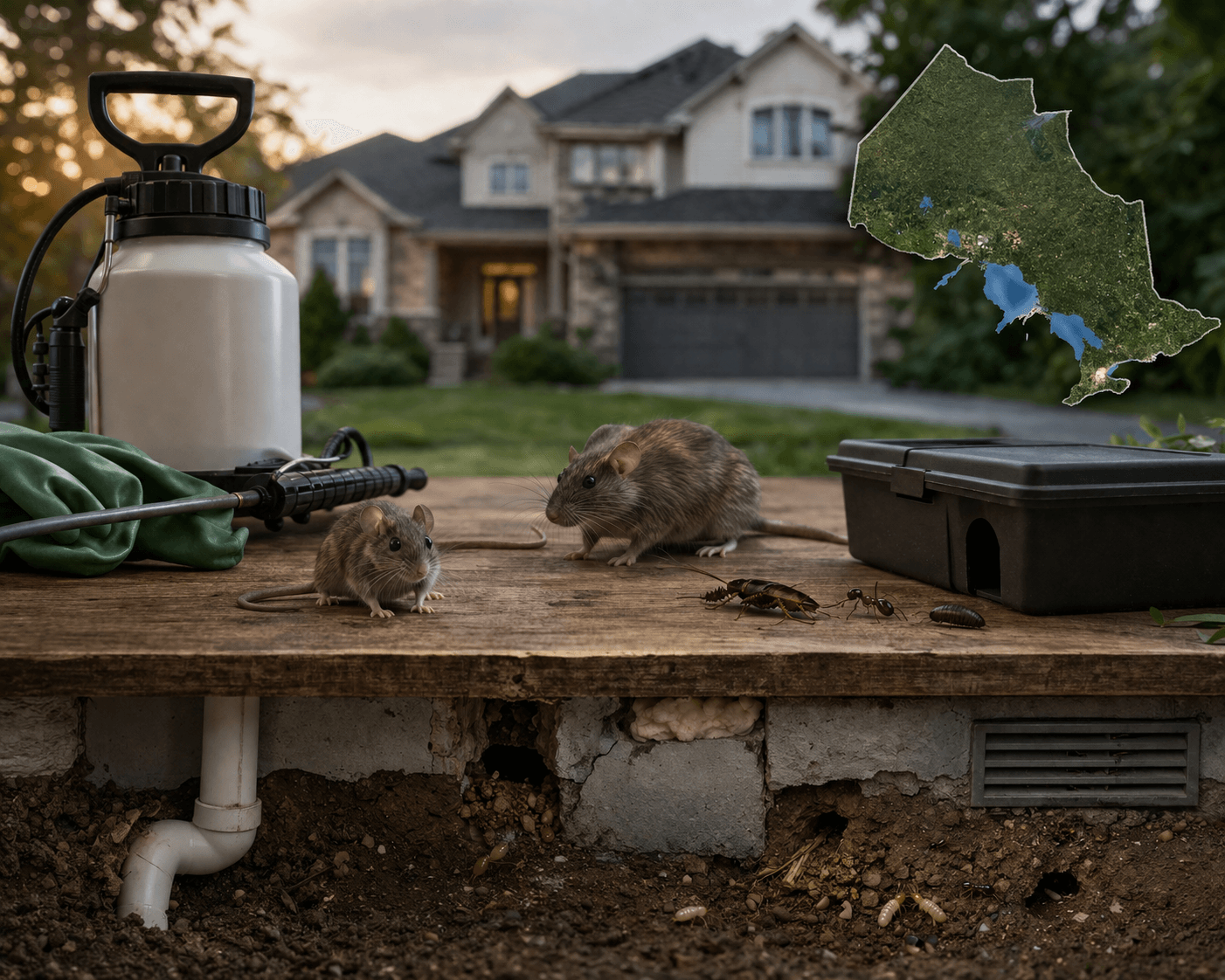
Why Residential Pest Control Matters More Than Most Homeowners Realize
Pests are not just an inconvenience; they affect the value of your home, the health of your family, and your peace of mind. A small ant trail today can turn into a nest inside your wall next month. A single mouse sighting often means several more are already hiding somewhere close by, since rodents rarely travel or nest alone once food and shelter are available.
Ontario's pest control industry has grown steadily as demand continues to rise. The market for pest control services in Ontario reached roughly 1.2 billion dollars in 2025 and has been expanding at an average annual rate of 4 percent since 2020, according to IBISWorld data. That growth reflects a simple truth: more homeowners are recognizing that Residential Pest Control is not optional; it is part of basic home maintenance, just like fixing a leaky roof or cleaning your gutters.
Ontario's mix of humid summers, cold winters, and dense urban neighbourhoods creates ideal conditions for pests to thrive almost every month of the year. Older homes with aging foundations sit close to newer builds with fresh construction gaps, and both types face similar risks once pests find an opening. Understanding this pattern is the first step toward properly protecting your home.

Pests Homeowners Encounter Most Often
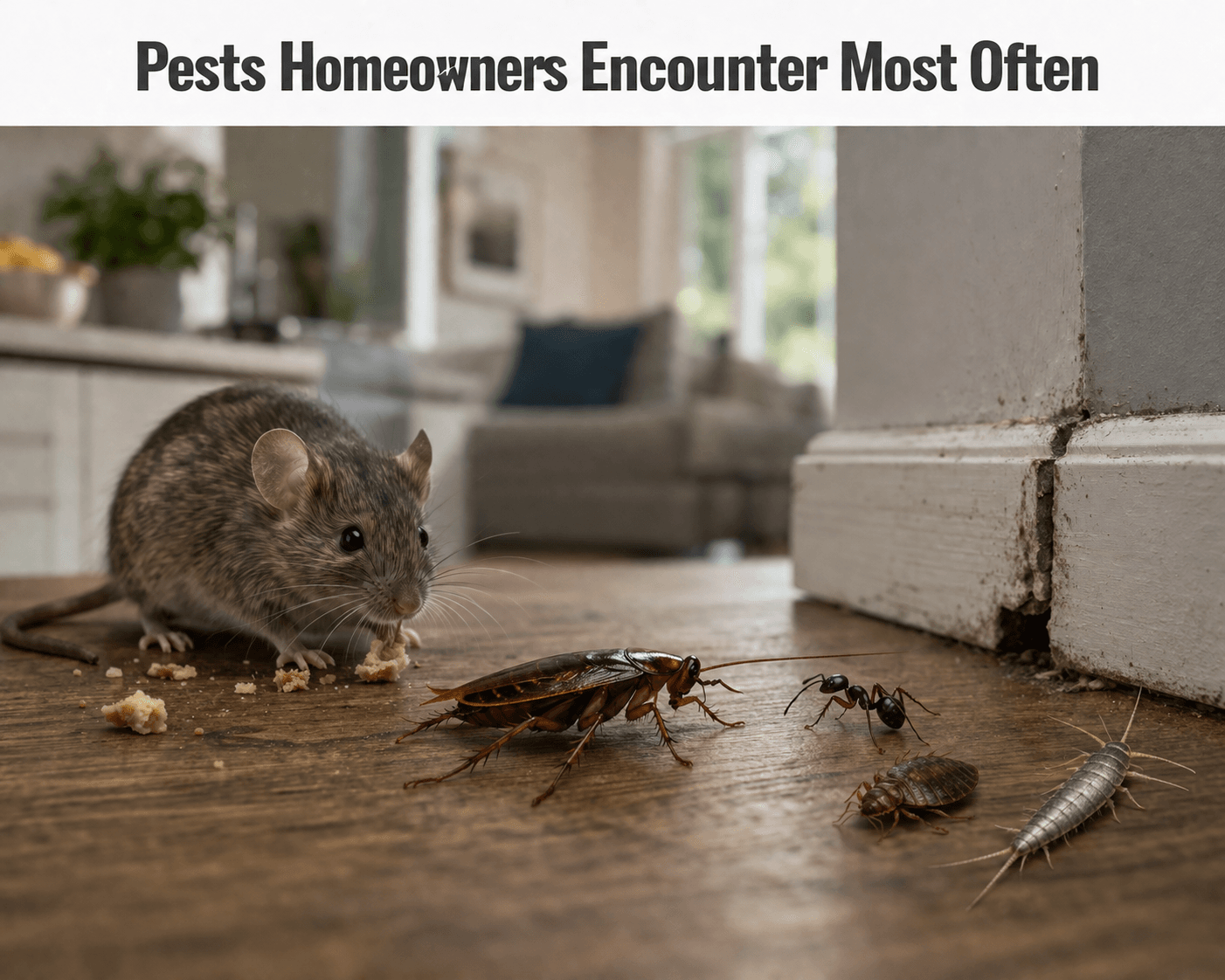
Before you can prevent a problem, it helps to know exactly what you are up against. Here's a look at the pests homeowners run into most.
Ants
Carpenter ants and pavement ants are the most common species. Carpenter ants nest in moisture-damaged wood, while pavement ants build small mounds near driveways and sidewalks before making their way indoors in search of food.
Mice and rats
Rodents are one of the biggest concerns for Ontario homeowners, especially once the weather turns cold. Mice can squeeze through gaps the size of a dime, which makes full exclusion difficult without professional help, and a single breeding pair can produce dozens of offspring within a few months.
Cockroaches
These pests seek out warm, moist spots like kitchens and bathrooms, where they can find both food and water close by. They multiply quickly and are known to trigger allergies and asthma symptoms, particularly in homes with young children or older residents.
Spiders
Most spiders found in homes are harmless, but large populations often signal that other insects, their food source, are also present indoors a useful early warning sign of a bigger issue.
Wasps and hornets
Nests that start small in spring can grow into aggressive colonies by late summer, especially in soffits, sheds, and attic corners where they often go unnoticed until the population is already large.
Bed bugs
Increased travel and secondhand furniture have made bed bugs a growing problem across southern Ontario, particularly in apartments and shared housing, where infestations can spread between units quickly.
Each of these pests behaves differently depending on the season, which is why staying on top of them works best as an ongoing plan rather than a one-time fix.
How Seasonal Changes Affect Pest Activity
Ontario's four distinct seasons each bring a different type of pest pressure, and understanding this rhythm helps you know what to watch for throughout the year.
Spring is when pests that survived winter wake up hungry and start searching for nesting sites. Carpenter ants and early wasp queens become active as temperatures rise past 10 degrees, and this is often the first opportunity to catch a problem before it spreads.
Summer brings the heaviest pest activity of the year, as heat and humidity accelerate breeding cycles for wasps, mosquitoes, and cockroaches, turning a small issue into a full colony within weeks. Fall marks the start of rodent season, as mice and rats search for warm shelter before winter fully sets in, making this the most important window for sealing entry points.
Winter pushes pests indoors entirely, where they hide in walls, attics, and basements, often going unnoticed until spring since visible activity slows down even though the population continues to grow.
This seasonal pattern is the reason pest prevention should never be treated as a single appointment. A home that gets sealed and inspected in fall is far less likely to face a rodent problem in January, and a home checked in spring is far less likely to deal with an ant colony by midsummer.
Health Risks That Come With Untreated Infestations
Beyond property damage, pests bring real health risks that homeowners often underestimate. Cockroaches carry bacteria that can contaminate kitchen surfaces and trigger asthma symptoms in children. Rodents contaminate stored food and spread disease through droppings and urine left in pantries or storage areas.
Ticks picked up from tall grass or wooded areas carry the risk of Lyme disease, which has become increasingly common across southern Ontario in recent years, particularly near parks and ravines. According to the Government of Ontario's official page on Lyme disease, blacklegged ticks are spreading to new areas of the province and can now be found almost anywhere in Ontario, including city gardens and parks, not just wooded areas.
Recognizing these health risks early is one more reason to treat pest activity seriously rather than waiting to see if it resolves on its own, since a delay of even a few weeks can allow a small population to multiply well beyond what a simple fix can handle.
What Affects the Cost of Pest Control
Many homeowners wonder why one pest problem costs far more to treat than another. A few key factors usually explain the difference. The type of pest matters most, since bed bugs and established rodent colonies require more visits and specialized equipment than a single wasp nest. The size of the affected area also plays a role, as larger homes or properties near green spaces tend to face more pressure from outdoor pests migrating indoors.
How early the problem is caught matters just as much, since an infestation treated at the first sign of activity is almost always cheaper and faster to resolve than one that has had months to spread through walls, insulation, or stored food. Choosing a recurring seasonal plan instead of a single emergency visit often works out cheaper in the long run as well, since regular inspections catch small issues before they become expensive repairs.
Prevention Habits Every Homeowner Should Follow
Most pest problems start small and grow because early warning signs get ignored. These simple habits form the backbone of effective pest prevention and work regardless of the season.
Store food in sealed containers and clean up spills right away
Take out garbage regularly and keep bins tightly closed
Fix leaky pipes and dry out damp areas like basements and crawl spaces
Trim bushes and branches away from exterior walls
Seal cracks around doors, windows, and utility openings
Keep gutters clean to prevent moisture buildup near the foundation
Install door sweeps to block gaps that rodents and insects use to get inside
None of these habits eliminate risk, but together they remove the food, water, and shelter that pests need to survive, which makes your home a much less attractive target all year round.
When Professional Treatment Becomes Necessary
Homeowners can manage a lot on their own, from sealing cracks to keeping a tidy kitchen, but some situations call for professional intervention. Bed bug infestations are notoriously difficult to eliminate without heat treatment, since these pests hide deep inside furniture and fabric where sprays rarely reach.
Cockroach populations spread quickly and often resist common over-the-counter products, especially once they establish themselves behind appliances or inside wall voids. Multiple rodent sightings usually mean the population is already established rather than just passing through, since rodents are naturally cautious and avoid open areas unless their numbers have grown large.
If pests keep returning despite your best efforts, that is a clear sign the problem runs deeper than surface-level fixes. Licensed technicians can identify the exact species involved, locate hidden nests, and apply treatments that are simply not available to homeowners, all while keeping the safety of your family and pets in mind throughout the process.
Building a Long-Term Residential Pest Control Plan
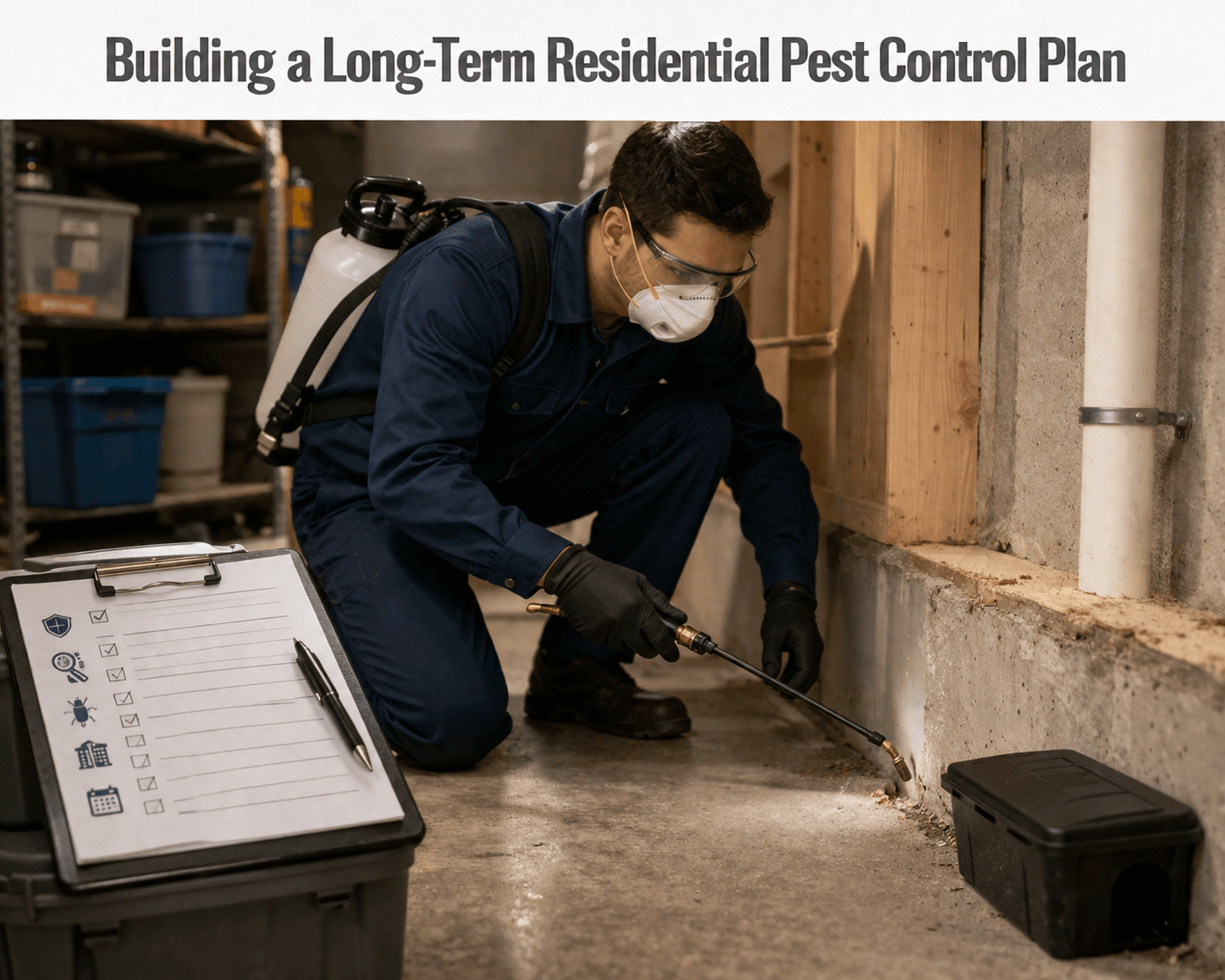
The most effective approach to pest control is not reactive; it is proactive. Instead of waiting for a problem to appear, build a simple yearly routine around Ontario's seasonal pest patterns.
Spring: Inspect your home's exterior for cracks and watch for carpenter ants and early wasp activity
Summer: Remove standing water and monitor for wasp nests and cockroach activity
Fall: Seal entry points and prepare your home before rodent season begins
Winter: Schedule an inspection and check hidden areas like attics and basements
Following this rhythm turns pest management from a stressful emergency into a manageable part of regular home maintenance, saving you money and stress in the long run while keeping your home comfortable no matter the season.
Protect Your Home Before Pests Move In With Pest Troopers
Pests do not wait for a convenient time to show up, and the homeowners who stay ahead of the seasons are the ones who avoid costly infestations. Residential Pest Control works best when it is treated as an ongoing habit rather than a single emergency call, built around prevention, regular inspection, and quick action at the first sign of trouble.
If you want expert help building that kind of protection for your home, Pest Troopers offers inspections and treatments designed around Ontario's seasonal pest patterns, giving your home reliable protection no matter what time of year it is.
Frequently Asked Questions
What is Residential Pest Control and why does it matter?
Residential Pest Control refers to the prevention and treatment of pests that invade homes throughout the year. It protects your property, your health, and your family from the risks pests bring. Regular attention prevents small issues from becoming expensive infestations.
How often should I schedule pest control for my home?
A seasonal approach with at least one inspection per season works best for most Ontario homes. This keeps you ahead of ants in spring, wasps in summer, rodents in fall, and hidden pests in winter. Regular monitoring is far easier than treating a full infestation later.
What are the most common pests found in homes?
Ants, mice, cockroaches, spiders, wasps, and bed bugs are among the most frequently reported pests across Ontario. Each one becomes active at different times of the year. Knowing their patterns helps homeowners prepare in advance.
Can I handle pest control on my own without professional help?
Simple prevention steps like sealing cracks and removing food sources work well for minor issues. However, infestations involving bed bugs, cockroaches, or established rodent populations usually need professional treatment. DIY methods often address symptoms rather than the root cause.
Are pests a health risk, not just a property concern?
Yes, pests like cockroaches and rodents can spread bacteria, trigger asthma, and contaminate food. Ticks also carry the risk of Lyme disease in parts of southern Ontario. Treating infestations quickly protects both your home and your family's health.
What is the best time of year to start pest prevention?
Fall is one of the most important seasons, since rodents actively search for shelter as temperatures drop. Sealing entry points before winter prevents the biggest indoor infestations. Starting prevention early always costs less than treating an established problem.