
How to Identify, Treat & Prevent Bed Bugs in Toronto, Brampton, Mississauga & Barrie


Bed bugs are one of the most stressful pests a homeowner or renter can face. They hide in the smallest cracks, feed while you sleep, and multiply quickly once they settle into a property. Unlike many other household pests, bed bugs are not attracted to dirt or clutter. They can appear in spotless homes, luxury apartments, and even five-star hotels because what draws them in is not mess; it is people.
Across Toronto, Brampton, Mississauga, and Barrie, bed bug activity has become an ongoing concern for both homeowners and property managers. Dense housing, frequent travel, and shared living spaces such as apartments and condos create ideal conditions for bed bugs to spread from unit to unit. Homeowners dealing with early signs of infestation can also explore pest control services available across the GTA and Barrie.
This guide walks through how to identify a bed bug problem early, what effective Bed Bug Control Treatment involves, and the prevention habits that help keep these pests from returning.
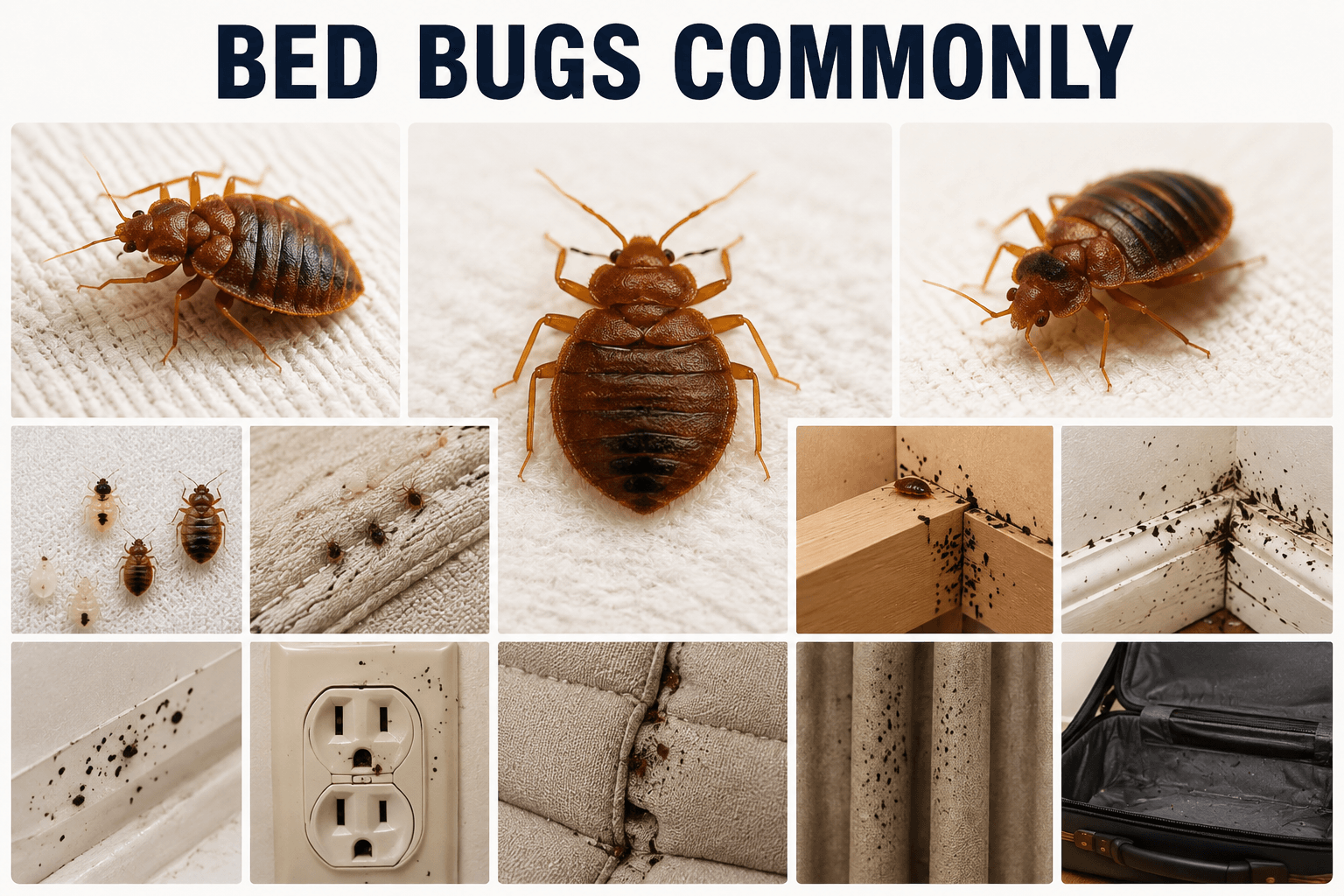
Where Bed Bugs Commonly Hide in Ontario Homes
Bed bugs are not limited to bedrooms, although that is their most common location. In apartments and homes across Toronto, Brampton, Mississauga, and Barrie, bed bugs can also be found in:
Bed bugs are not limited to bedrooms, although that is their most common location. In apartments and homes across Toronto, Brampton, Mississauga, and Barrie, bed bugs can also be found in:
- Living room couches and upholstered chairs
- Carpet edges and baseboards
- Curtains and window treatments
- Luggage storage areas and closets
- Used furniture recently brought into the home
This is one of the biggest reasons DIY treatments often fail. Homeowners may treat the mattress but miss nearby hiding spots, allowing the infestation to continue.
Health and Lifestyle Impact of Bed Bugs
While bed bugs are not typically known to spread disease the way rodents can, they still create real health and quality of life concerns.
- According to the Centers for Disease Control and Prevention, bed bug bites can sometimes lead to secondary skin infections if scratched excessively.
- Sleep disruption is common, as many people struggle to rest once they know bugs may be active at night
- Anxiety and stress levels often rise the longer an infestation continues, particularly in apartment settings where reinfestation from neighbouring units is a real risk
A cross-sectional study published in BMC Public Health on bed bug exposure among tenants in a major Canadian city found that psychological impact is often one of the most significant effects of infestation, even more than the physical bites themselves. This highlights why fast, effective Bed Bug Control Treatment matters just as much for mental wellbeing as it does for physical comfort.
Why DIY Bed Bug Treatments Often Fail
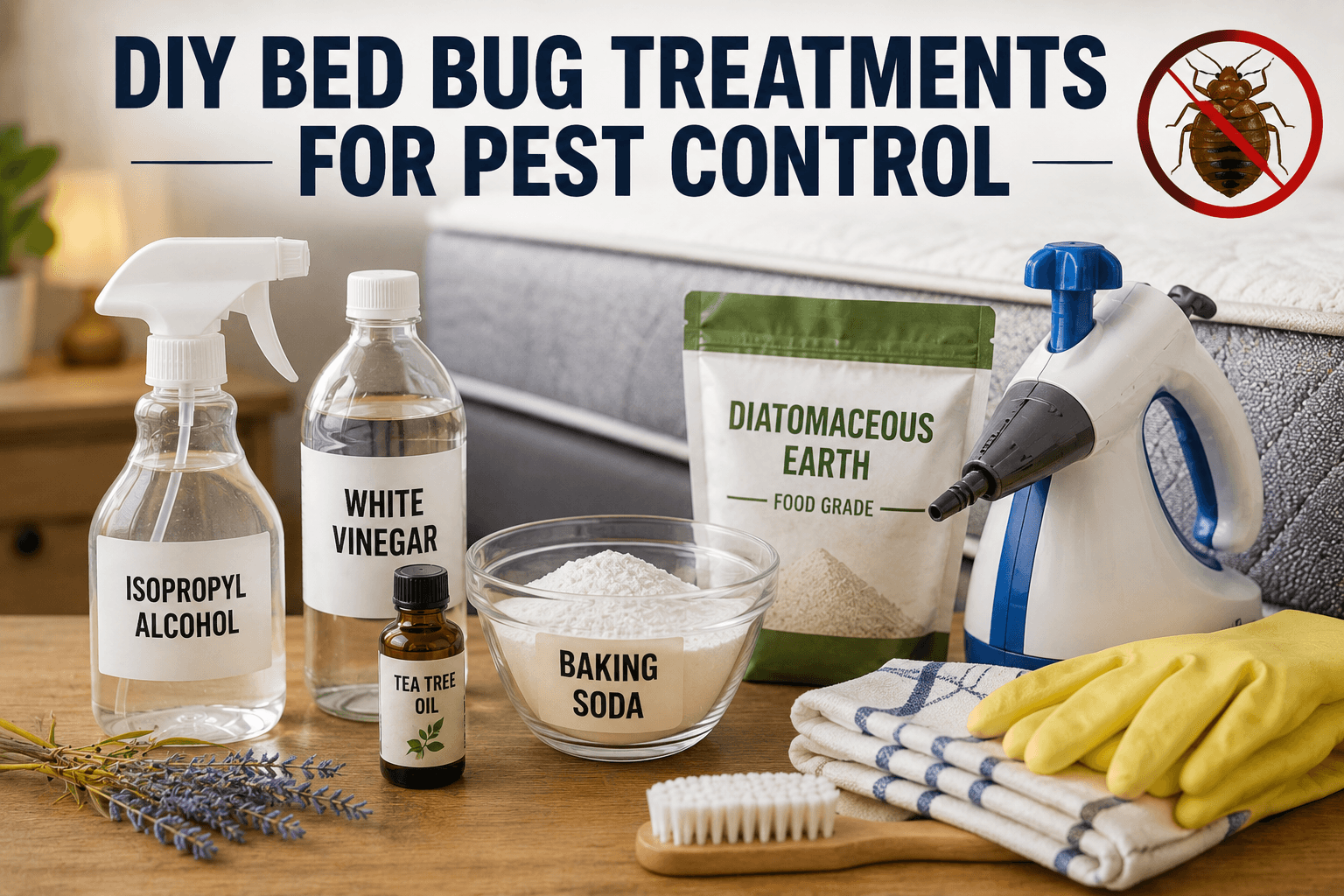
Store-bought sprays and foggers are widely available, but they rarely solve the underlying problem. Common issues with DIY approaches include:
- Bed bugs hiding deep inside furniture, walls, and flooring where sprays cannot reach
- Foggers pushing bugs further into hidden areas instead of eliminating them
- Eggs surviving treatment because many products do not fully penetrate egg casings
- Reinfestation from untreated areas nearby, especially in multi-unit buildings.
The United States Environmental Protection Agency advises caution with over-the-counter pesticide sprays, since improper use can push bed bugs deeper into hiding spots instead of eliminating them.
Because bed bugs are so good at avoiding detection, a partial treatment often leaves enough survivors for the infestation to rebuild itself within a few weeks. This is why many homeowners eventually turn to a professional pest control provider rather than relying on store-bought products alone.
What Professional Bed Bug Control Treatment Involves
A proper Bed Bug Control Treatment plan is built around thorough inspection, targeted treatment, and follow-up monitoring rather than a single spray application.
1. Inspection
Technicians examine the entire property, not just the bedroom, to identify:
- Active hiding spots
- Level of infestation
- Entry points and possible spread to neighbouring rooms or units
2. Treatment
Depending on the severity of the infestation, Bed Bug Control Treatment methods may include a combination of approaches designed to reach bugs and eggs in hidden areas, targeting adult bugs, nymphs, and eggs at every life stage.
3. Follow-Up Visits
Because bed bug eggs can take one to two weeks to hatch, a single treatment is rarely enough. Follow-up visits help confirm that the infestation has been fully eliminated and catch any newly hatched bugs before they can reproduce again.
This layered approach is why professional Bed Bug Control Treatment tends to be far more reliable than DIY sprays or foggers, particularly for moderate to severe infestations. Booking a bed bug inspection is often the first step toward confirming the extent of an infestation before treatment begins.
Bed Bug Prevention Tips for Homeowners
Even after a successful Bed Bug Control Treatment, prevention plays a key role in keeping bugs from returning.
Inspect Secondhand Items Before Bringing Them Home
Used furniture, mattresses, and clothing should always be checked carefully before entering the home, since bed bugs frequently travel through secondhand items.
Be Cautious When Traveling
- Inspect hotel mattresses and headboards before unpacking
- Keep luggage off the floor and bed when possible
- Wash and dry travel clothing on high heat after returning home
Reduce Clutter Near Sleeping Areas
While clutter does not cause bed bugs, it does give them more places to hide, which can make early detection harder.
Use Protective Mattress and Box Spring Covers
Encasements designed for bed bugs make it harder for bugs to nest inside mattress seams and easier to spot activity early.
Communicate in Shared Buildings
In apartments and condos, informing property management and neighbouring units at the first sign of bed bugs can help prevent the infestation from spreading through shared walls, hallways, and laundry areas.
Schedule Regular Inspections in High-Risk Properties
The National Collaborating Centre for Environmental Health recommends routine inspections in multi-unit housing to catch bed bug activity early before it spreads between units. Landlords and property managers overseeing multi-unit buildings in Toronto, Brampton, Mississauga, and Barrie benefit from routine inspections, since early detection significantly reduces treatment costs and tenant disruption.

When to Call a Professional
DIY methods may work for very minor, early-stage issues, but professional Bed Bug Control Treatment becomes necessary when homeowners notice:
- Bites appearing repeatedly over several nights
- Bugs or eggs found in multiple rooms
- Infestation spreading to furniture beyond the bedroom
- Previous DIY treatments failing to resolve the issue
Reports of bed bugs in a shared building or neighbouring unit
The earlier a Bed Bug Control Treatment plan is put in place, the less invasive and less costly the process tends to be.
Take Action Before the Infestation Spreads
Bed bugs are resilient, fast-reproducing pests that rarely disappear on their own. Waiting for the problem to resolve itself usually allows the infestation to grow larger and spread to more areas of the home. Recognizing the early signs, understanding what proper treatment involves, and following simple prevention habits can make a significant difference in how quickly the issue is resolved.
If you are noticing bite marks, stains on your bedding, or signs of bed bugs anywhere in your home across Toronto, Brampton, Mississauga, or Barrie, do not wait for the infestation to spread further. Visit Pest Troopers to learn more about professional Bed Bug Control Treatment options designed to identify the source of the infestation and help protect your home going forward.
Frequently Asked Questions About Bed Bug Control Treatment
1. How do I know if I have bed bugs or another pest?
Bed bugs typically leave clustered or lined-up bites, rust colored stains on bedding, and tiny shed skins near mattress seams. Other pests such as fleas usually leave scattered bites, often around the ankles.
2. Can bed bugs live in clean homes?
Yes. Bed bugs are attracted to people, not dirt, which means even the cleanest homes can experience an infestation, especially after travel or secondhand furniture purchases.
3. How long does Bed Bug Control Treatment take to work?
Timelines vary depending on the size of the infestation, but most treatment plans involve an initial visit followed by one or more follow-up visits over the following weeks to address newly hatched eggs.
4. Can I just throw away infested furniture?
Discarding furniture can help in some cases, but it does not guarantee the infestation is gone, since bed bugs may have already spread to other areas of the home. Professional inspection helps confirm the full extent of the problem.
5. Do bed bugs spread between apartments?
Yes. In multi-unit buildings, bed bugs can travel through shared walls, electrical outlets, and hallways, which is why building-wide Bed Bug Control Treatment is sometimes necessary rather than treating a single unit alone.
6. Is it normal not to see bite marks even with an infestation?
Yes. Some people do not react visibly to bed bug bites at all, which is why checking for physical signs such as stains, shed skins, and live bugs is just as important as checking for bites.