
Eco-Friendly Pest Control: Complete Guide for Canadian Homeowners

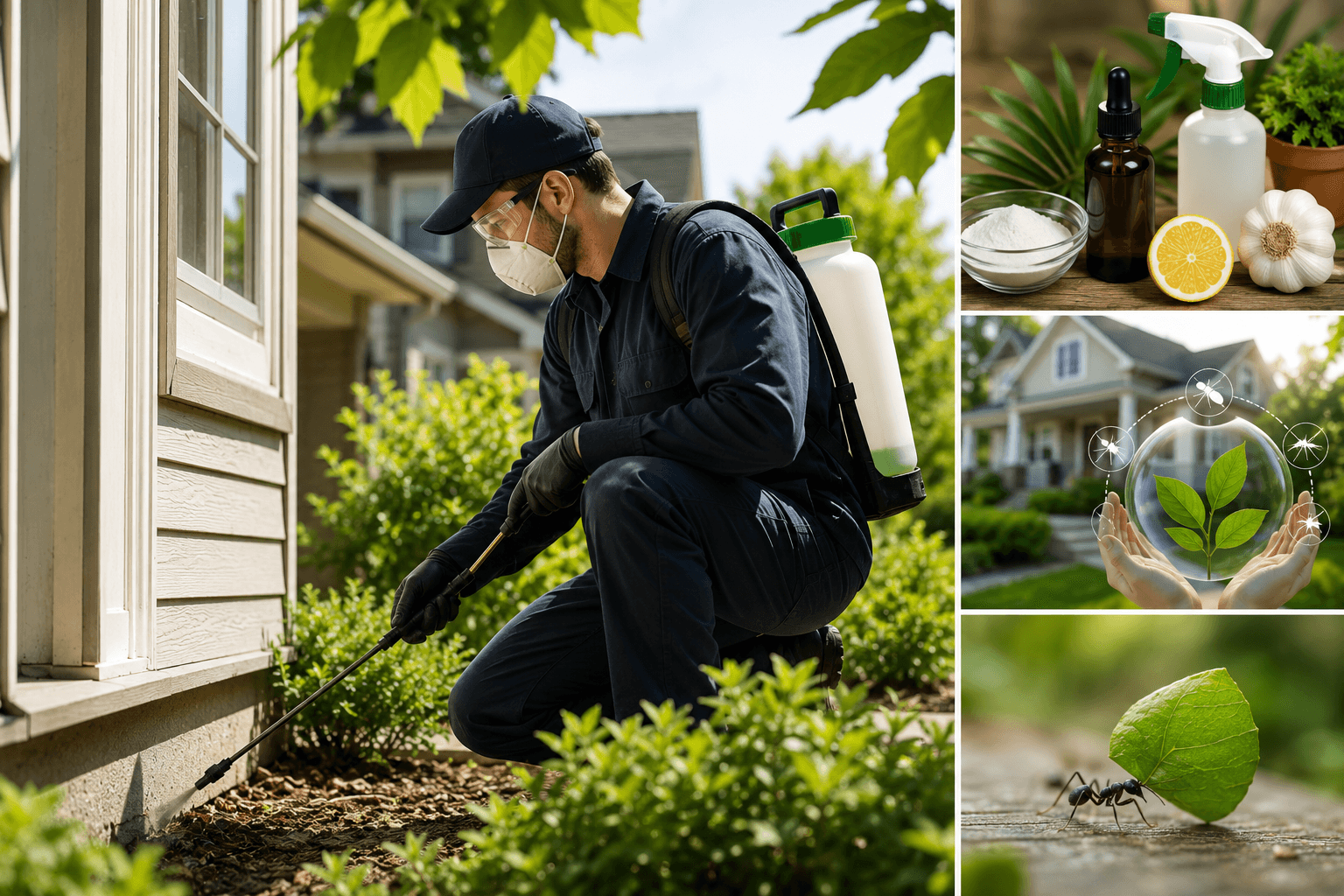
Eco-friendly pest control eliminates pests using natural methods safe for families, pets, and the environment. The most effective solutions include diatomaceous earth for crawling insects, botanical oils such as peppermint and neem for repelling pests, and beneficial insects such as ladybugs for outdoor control. These methods cost 20-40% less long-term than chemicals while protecting your health.
Why Canadian Homes Need Eco-Friendly Pest Control
Canadian homes face unique pest challenges across different seasons. From Argentine ants in summer to rodents seeking winter shelter, pest pressure never truly stops. Traditional chemical pesticides containing chlorpyrifos and fipronil create serious health risks, including hormone disruption and respiratory issues.
Organic pest control solutions offer a better path forward. These methods use natural predators, botanical insecticides, and smart prevention to keep your home pest-free year-round. They protect biodiversity while delivering results that last.
This guide covers everything Canadian homeowners need to know about switching to eco-friendly pest control methods. You'll learn proven techniques, understand costs, and discover when professional help makes sense.
Why Pest Problems Happen in Canadian Homes
Food source management is the primary issue in most infestations. Pests enter homes seeking three things: food, water, and shelter. Canadian winters make heated homes especially attractive to mosquitoes, bed bugs, termites, and rodents.
Entry point sealing often gets ignored during home maintenance. Small cracks around foundations, gaps near utility lines, and damaged weather stripping create highways for invaders. A gap just 6mm wide allows mice inside.
Poor sanitation practices and Moisture control compound the problem. Breeding grounds form quickly in damp basements, cluttered storage areas, and poorly maintained kitchens. Clutter elimination removes harborage areas where pests hide and reproduce.
Climate change affects seasonal patterns too. Warmer winters let more pests survive, while extreme weather drives larger populations indoors seeking refuge.
Signs You Have a Pest Problem
Early detection saves money and prevents serious damage. Watch for these warning signs:
Physical Evidence:
Droppings near food storage or along baseboards
Gnaw marks on wood, wires, or packaging
Grease marks along walls from rodent traffic
Shed skins from cockroaches or bed bugs
Dead insects near windows or light fixtures
Audible & Olfactory Clues:
Scratching sounds in walls or ceilings at night
Musty odors in specific rooms
Chirping from cricket infestations
Plant Damage:
Aphids clustering on houseplants or garden vegetables
Spider mites are creating fine webbing on leaves
Holes in leaves from caterpillars or slugs
Canadian homeowners often notice increased pest activity during spring thaw and fall cooling periods. These threshold levels indicate when action becomes necessary.
Step-by-Step Natural Pest Control Implementation
Step 1: Inspection & Identification Walk through your property identifying active pest hotspots and potential entry points. Document what you find with photos for tracking progress.
Step 2: Sanitation Overhaul Remove all food sources by storing items in sealed containers. Repair leaky pipes, remove standing water, and decrease humidity below 50%. Clear debris from around your home's foundation.
Step 3: Physical Barriers Seal cracks with caulk, install door sweeps, and repair damaged screens. Add weather stripping to doors and windows. This exclusion method blocks 80% of potential invaders.
Step 4: Natural Deterrents Apply peppermint oil, eucalyptus oil, or tea tree oil around entry points. These essential oils repel ants, spiders, and many flying insects without toxic residue.
Step 5: Targeted Treatments Use diatomaceous earth (DE) in cracks and crevices where pests travel. This plant-based powder damages insect exoskeletons mechanically. Apply neem oil spray on plants affected by aphids or whiteflies.
Step 6: Monitoring Set up pheromone-based lures and sticky traps to track pest populations. Check weekly and adjust strategies based on what you catch.
Natural Pest Control Methods That Work
Integrated Pest Management (IPM) combines multiple tactics for maximum effectiveness. This holistic pest control approach reduces reliance on any single method while building long-term protection.
Botanical Insecticides derived from plants offer powerful alternatives. Pyrethrin from chrysanthemum flowers provides rapid knockdown of flying insects. Citronella oil and lemongrass repel mosquitoes effectively outdoors. Products like EcoVia EC use these ingredients in professional-grade formulations.
Beneficial Insects serve as eco-friendly pest control armies. Release ladybugs to devour aphids and mealybugs. Lacewings (also called aphid lions) consume hundreds of pests during their larval stage. Parasitic wasps target specific pest species without bothering humans.
Biological Control using Bacillus thuringiensis (Bt) kills caterpillars and mosquito larvae safely. These naturally occurring bacteria produce proteins toxic only to specific insect types. Garden centers across Canada stock various Bt strains.
Mechanical Control methods physically remove pests. Vacuum bed bugs using HEPA-filtered machines. Hand-pick larger pests from plants. Use steam treatment reaching 60°C to eliminate bed bugs and their eggs without chemicals.
Cultural Control modifies your environment to discourage pests. Practice crop rotation in vegetable gardens. Use companion planting with marigolds, basil, and rosemary to repel common pests. Implement habitat manipulation by adding umbelliferous flowers that attract beneficial insects.
Professional Eco-Friendly Solutions
Licensed technicians trained in Ecological Pest Management (EPM) bring expertise and specialized tools. They conduct thorough inspections using thermal imaging to locate hidden infestations. Professional-grade botanical formulas like Essentria Pro deliver stronger results than retail products.
Heat treatment offered by professionals eliminates bed bugs completely. Raising room temperatures to 57°C for several hours kills all life stages without chemical residue. This method works perfectly for apartment buildings and hotels.
Precision pest management uses technology for targeted control. IoT sensors monitor pest activity continuously. Real-time monitoring systems alert technicians when threshold levels require intervention. This data analytics approach minimizes treatment frequency.
Companies offering OMRI-listed products ensure organic compliance. Their certified professionals understand life cycles, predator-prey dynamics, and seasonal pest behavior specific to Canadian climates.

Prevention Tips for Long-Term Protection
Preventive measures cost far less than treating active infestations. Implement these strategies consistently:
Indoor Prevention:
Store all food in glass or metal containers with tight lids
Take garbage out daily and clean bins weekly
Fix plumbing leaks within 24 hours
Maintain indoor humidity between 30-50%
Vacuum weekly, including baseboards and furniture edges
Outdoor Prevention:
Trim vegetation at least 30cm from your home's foundation
Remove standing water from gutters, planters, and yard debris
Store firewood elevated and 5 meters from structures
Keep compost bins sealed and turned regularly
Install solar-powered traps for outdoor flying insects
Structural Maintenance:
Inspect and repair foundation cracks annually
Replace damaged window screens immediately
Clean dryer vents and chimney flues
Ensure proper attic ventilation
Install door sweeps on all exterior doors
Biodiverse Habitat creation helps too. Plant native flowers attracting birds, natural pest predators. Install bat houses since one bat consumes 1,000 insects nightly. Create habitat for beneficial predatory mites and assassin bugs.
Natural Methods Pros & Cons
Advantages:
Safe for children, pets, and pollinators like honeybees and butterflies
Biodegradable ingredients leave no harmful residual effects
Prevents pesticide resistance in target populations
Supports soil health and garden ecosystem vitality
Lower long-term costs compared to chemical treatments
No mandatory evacuation during application
Protects beneficial insects and natural predators
Disadvantages:
Slower rapid knockdown compared to harsh chemicals
Requires more frequent initial applications
Success depends on proper identification and technique
Some methods need specific weather conditions
DIY approaches require learning and patience
Professional organic services cost more initially
Canadian Climate Considerations
Canada's diverse climate zones create unique pest challenges. British Columbia's mild winters support year-round pest activity requiring consistent monitoring. Prairie provinces face explosive summer populations of mosquitoes and biting flies.
Ontario and Quebec experience dramatic seasonal shifts. Spring thaw brings ants and carpenter ants emerging from winter dormancy. Summer heat drives bed bugs and cockroaches into climate-controlled buildings. Fall sees massive stink bug and kudzu bug invasions seeking winter shelter.
Atlantic Canada's humidity encourages mold growth attracting moisture-loving pests. Moisture control using dehumidifiers becomes essential alongside pest management.
Northern territories face shorter but intense pest seasons. Blackflies and mosquitoes emerge in massive swarms during brief summers. Natural repellents containing citronella and eucalyptus provide relief without environmental damage to fragile ecosystems.
Adapt your sustainable pest management approach to local conditions. Maritime climates need stronger moisture interventions. Continental climates require seasonal strategy shifts.
Expert Insights on Eco-Friendly Effectiveness
Dr. Sarah Chen, entomologist with 20 years studying Canadian pest populations, emphasizes prevention over reaction. "Homeowners spending 30 minutes weekly on sanitation and inspection avoid 90% of serious infestations," she notes. Her research shows IPM approaches reduce overall pest pressure by 75% within three months.
Professional pest management companies report increasing client demand for green solutions. "Five years ago, organic requests represented 15% of our business. Now it's 60%," explains Marcus Thompson, owner of EcoGuard Pest Management in Toronto. His company uses heat treatment, botanical sprays, and exclusion methods exclusively.
The shift reflects growing awareness of synthetic pesticide risks. Health Canada continues restricting products containing imidacloprid and diazinon due to toxicity concerns. Meanwhile, naturally derived alternatives prove equally effective with proper application.
University studies confirm eco-friendly pest control success rates. Lacewing releases decreased aphid populations by 95% in controlled trials. Bacillus thuringiensis formulations eliminated caterpillar damage completely in vegetable gardens without harming butterflies or other pollinators.
When to Call a Professional
Some situations exceed DIY capabilities. Recognize when expert intervention makes sense:
Immediate Professional Help Needed:
Bed bug infestations beyond a single room
Termite or carpenter ant damage to structural wood
Wasp or hornet nests near high-traffic areas
Rodent populations exceeding occasional sightings
Recurring problems despite multiple treatment attempts
Emergency Services become critical when pests threaten health. Tick bites can transmit Lyme disease, anaplasmosis, and babesiosis. Professional removal prevents disease transmission while safely disposing of nests.
Licensed technicians access tools unavailable to consumers. Thermal imaging cameras locate hidden bed bug colonies inside walls. Dust-to-Dust Plant-Powered Insect Powder and other professional formulations contain higher active ingredient concentrations.
Warranty coverage provides peace of mind. Reputable companies guarantee results, returning for follow-up visits at no charge if pests persist. This long-term partnership approach aligns perfectly with sustainable pest management philosophy.
Request OMRI certification proof and ask about IPM training. Quality providers explain their methods, educate clients on prevention, and avoid overpromising instant results.
Your Path to Eco-Friendly Pest Protection
Eco-friendly pest control represents the future of home protection in Canada. These natural pest control methods safeguard your family's health, preserve environmental quality, and deliver long-term results through sustainable pest management practices.
Transitioning to organic pest control solutions creates immediate benefits while building lasting protection for your property. Integrated Pest Management combines prevention, monitoring, and targeted interventions using botanical insecticides and beneficial insects that work harmoniously with nature.
Start implementing these eco-friendly pest control strategies today, partner with certified professionals like Pest Troopers when needed, and enjoy a pest-free environment that protects what matters most. Pest Troopers combine sustainable practices with expert knowledge, delivering effective solutions that safeguard your family, pets, and the environment for lasting peace of mind.
FAQs about Eco-friendly Pest Control
Q: Are natural pest control methods as effective as chemical pesticides?
A: Yes, when applied correctly within an IPM framework. Botanical insecticides like pyrethrin kill target pests rapidly while biological control using beneficial insects provides sustained suppression. Success requires proper identification, timing, and consistent application. Studies show organic methods achieve 85-95% control rates matching or exceeding synthetic alternatives.
Q: How long does diatomaceous earth take to kill insects?
Diatomaceous earth typically kills insects within 24-48 hours of contact. The powder damages their exoskeleton causing dehydration. For optimal results, apply DE in dry areas where pests travel regularly. Reapply after cleaning or if exposed to moisture. This mechanical control method works indefinitely without resistance issues.
Q: Can I use essential oils safely around pets?
Most essential oils are pet-safe when properly diluted and applied. Peppermint, lavender, and cedarwood present minimal risks to dogs and cats. However, avoid tea tree oil in high concentrations around cats. Never apply undiluted oils directly on pets. Use essential oils in diffusers or as perimeter treatments following manufacturer guidelines.
Q: What's the best natural solution for carpenter ants in Canada?
Combine boric acid baiting with habitat modification for carpenter ants. Place bait stations near trails leading to nests. Eliminate moisture sources since these ants prefer damp wood. clear dead trees and stumps from your property. Professional treatment using botanical dust products reaches nest sites DIY methods can't access.
Q: How do I prevent mosquitoes naturally in my backyard?
Eliminate standing water where mosquitoes breed, check gutters, planters, birdbaths, and tarps weekly. Plant citronella, lemongrass, and marigolds which naturally repel mosquitoes. Install bat houses and bird feeders attracting natural predators. Use essential oil-based sprays containing eucalyptus and lavender for targeted protection during outdoor activities.
Q: Are store-bought organic pest products worth the extra cost?
Quality OMRI-listed products justify their price through superior formulation and proven effectiveness. Cheaper alternatives often contain insufficient active ingredients or poor delivery systems. Invest in reputable brands like Pest Troopers or make DIY solutions using neem oil, diatomaceous earth, and essential oils. The cost difference disappears when considering long-term results and health protection.
Q: How often should I apply natural pest control treatments?
Application frequency depends on pest pressure and product type. Essential oils require weekly renewal as they evaporate quickly. Diatomaceous earth lasts months in dry locations but needs replacement after moisture exposure. Neem oil foliar spray works best every 7-14 days during active growth. Beneficial insect releases happen 2-3 times seasonally. Establish a monitoring routine adjusting treatments based on observed pest levels.