
Choosing Between Eco-Friendly and Traditional Pest Control Methods

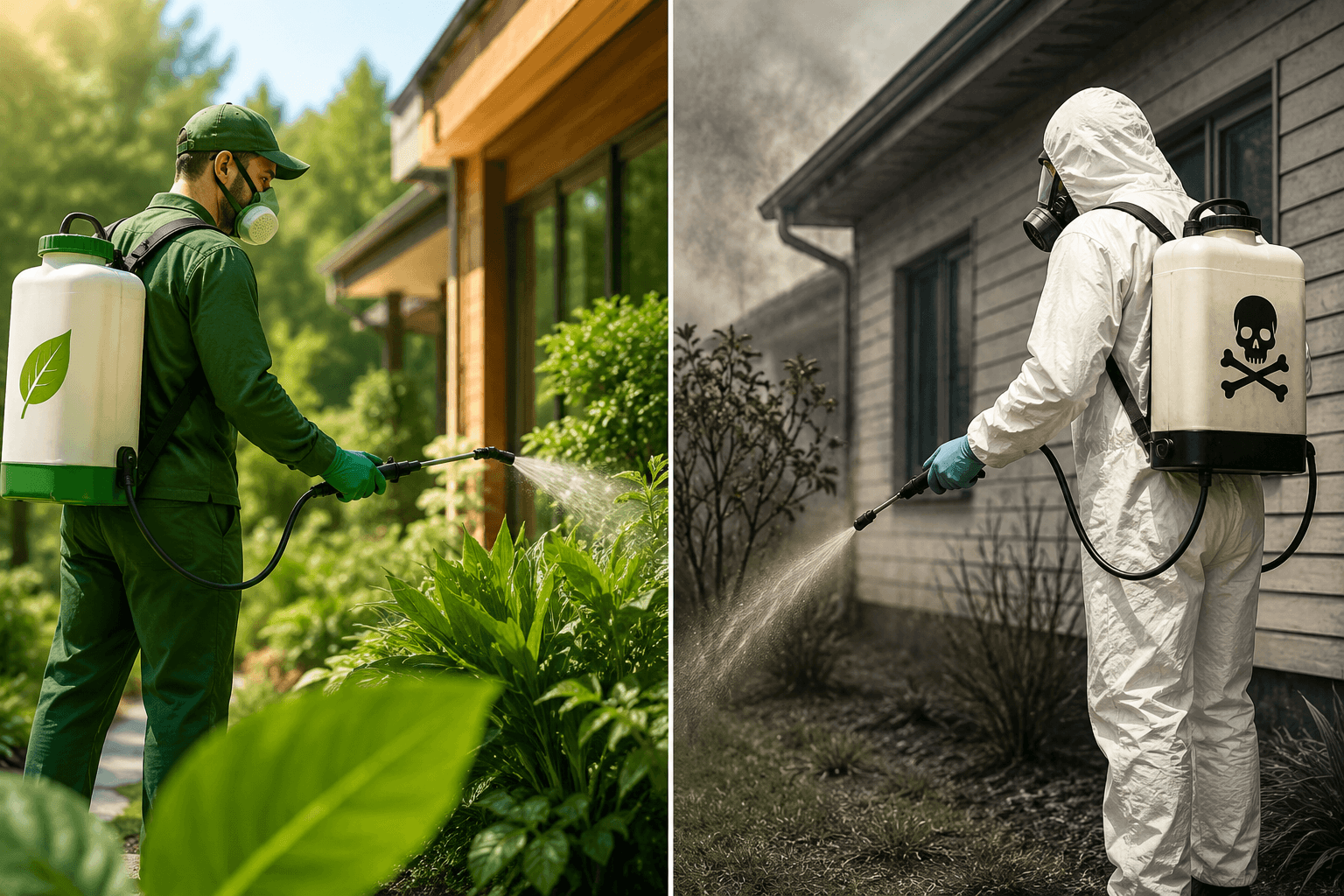
Homeowners dealing with a pest problem often assume the choice comes down to picking a side: go green, or go with chemicals. In practice, most professional pest control blends both, and the right mix depends on the pest, its severity, and where the property sits.
Eco-friendly pest control uses prevention, exclusion, and the least invasive treatment that solves the problem, while traditional pest control relies on chemical pesticides for faster results. Neither is universally better.
Eco-friendly methods tend to work well for minor, early-stage activity like a single ant trail or one wasp nest. At the same time, traditional treatment is usually faster for severe infestations, health-risk pests, or commercial compliance needs. Most professional providers, including Pest Troopers, actually follow a hybrid framework called Integrated Pest Management, or IPM, which chooses the least hazardous effective option based on the specific situation rather than defaulting to one method for every job.
Eco-Friendly Pest Control vs. Traditional Methods: What's the Real Difference?
Pest control isn't one single method. It's a spectrum, with two ends and a lot of middle ground in between. On one end sits traditional pest control, which relies mainly on chemical pesticides applied on a schedule or in direct response to an infestation. On the other end sits eco-friendly pest control, which prioritizes prevention, biological methods, and the least invasive treatment that will actually solve the problem.
Most professional pest control today, including the approach Pest Troopers uses across Toronto, Vaughan, Mississauga, and the rest of the GTHA, draws from both ends of that spectrum depending on the pest, the severity, and the property. Knowing where each approach shines, and where it falls short, makes the decision far less confusing than it looks at first.
The rest of this guide covers the real tradeoffs in cost, safety, and effectiveness, explains where IPM fits in as the hybrid most professionals actually use, and gives a practical way to decide what fits your property.
Is Traditional Pest Control Better for a Severe Infestation?
For a severe or fast-spreading infestation, usually yes. Traditional pest control uses chemical pesticides applied directly to affected areas, whether that's a targeted spray for ants, a bait system for rodents, or a broader treatment for a heavier problem. Its biggest advantage is speed: chemical treatments are typically the fastest way to bring a pest population down, which matters when there's a health risk or the problem is spreading fast.
The tradeoffs are real, though. Chemical pesticides can leave residues that persist for a period after application, and improper use can affect water sources or non-target organisms nearby. Pests can also develop resistance to certain treatments over time, which is part of why some infestations seem to return despite repeated spraying.
This is exactly why professional application matters: a licensed technician selects products and methods to reduce these risks, rather than applying the same treatment to every job.
In practice, traditional treatment tends to make the most sense for rodents during a heavy infestation, cockroaches in a commercial kitchen, or bed bugs, where speed and thoroughness matter more than minimizing product use. Ants and seasonal wasp activity, on the other hand, often respond well to a lighter, prevention-focused approach instead.
What Are the Benefits of Eco-Friendly Pest Control?
Eco-friendly pest control covers more techniques than most people expect. A typical plan draws from several of these at once:
Biological control, using natural predators or competing organisms
Botanical repellents made from naturally occurring compounds
Physical exclusion, sealing the gaps and entry points that let pests in
Pheromone and sticky monitoring traps that track activity instead of guessing
Physical exclusion is arguably the most effective of these on its own, since it addresses the cause instead of just the symptom. But these methods work best combined rather than used alone. Sealing an entry point without addressing what's attracting a pest to that spot, or using a botanical repellent without removing the food or moisture source drawing pests in, tends to produce only partial results.
Monitoring is the piece that often gets overlooked. Pheromone-based and sticky traps don't eliminate pests on their own, but they show a technician exactly where activity is concentrated and how it's trending, which turns treatment into a targeted response instead of a guess. This is a core part of most eco-friendly programs precisely because it reduces the amount of product needed: you only treat where and when the data says it's actually necessary.
Done well, eco-friendly pest control also supports a more balanced local ecosystem, since it avoids affecting beneficial insects and other non-target species. Pollinators and natural predators of common nuisance pests help keep pest populations lower over time on their own, so preserving them is a genuine part of a long-term strategy, not just an environmental talking point.
What Is Integrated Pest Management (IPM)?
Integrated Pest Management, or IPM, is the framework most professional pest control actually follows, including ours. Rather than picking a side between eco-friendly and traditional, IPM focuses on prevention and monitoring first, uses pesticides only when necessary, and chooses the least hazardous effective option when treatment is required. The EPA's IPM principles describe it the same way: an environmentally sensitive approach built on current information about a pest's life cycle and behaviour, not a rejection of chemical treatment, just a more deliberate use of it.
This clears up a common misconception: choosing an eco-friendly approach doesn't mean no products are ever used, and choosing a licensed provider doesn't mean chemicals are used by default. IPM combines inspection, exclusion, sanitation improvements, and targeted treatment, chemical or otherwise, based on what the specific situation actually requires. In Canada, pesticide use is closely regulated regardless of which approach a provider leans toward. Health Canada's guidance on pest control notes that physical barriers and sealing entry points are effective measures on their own for many situations, which is exactly the prevention-first thinking IPM is built around.
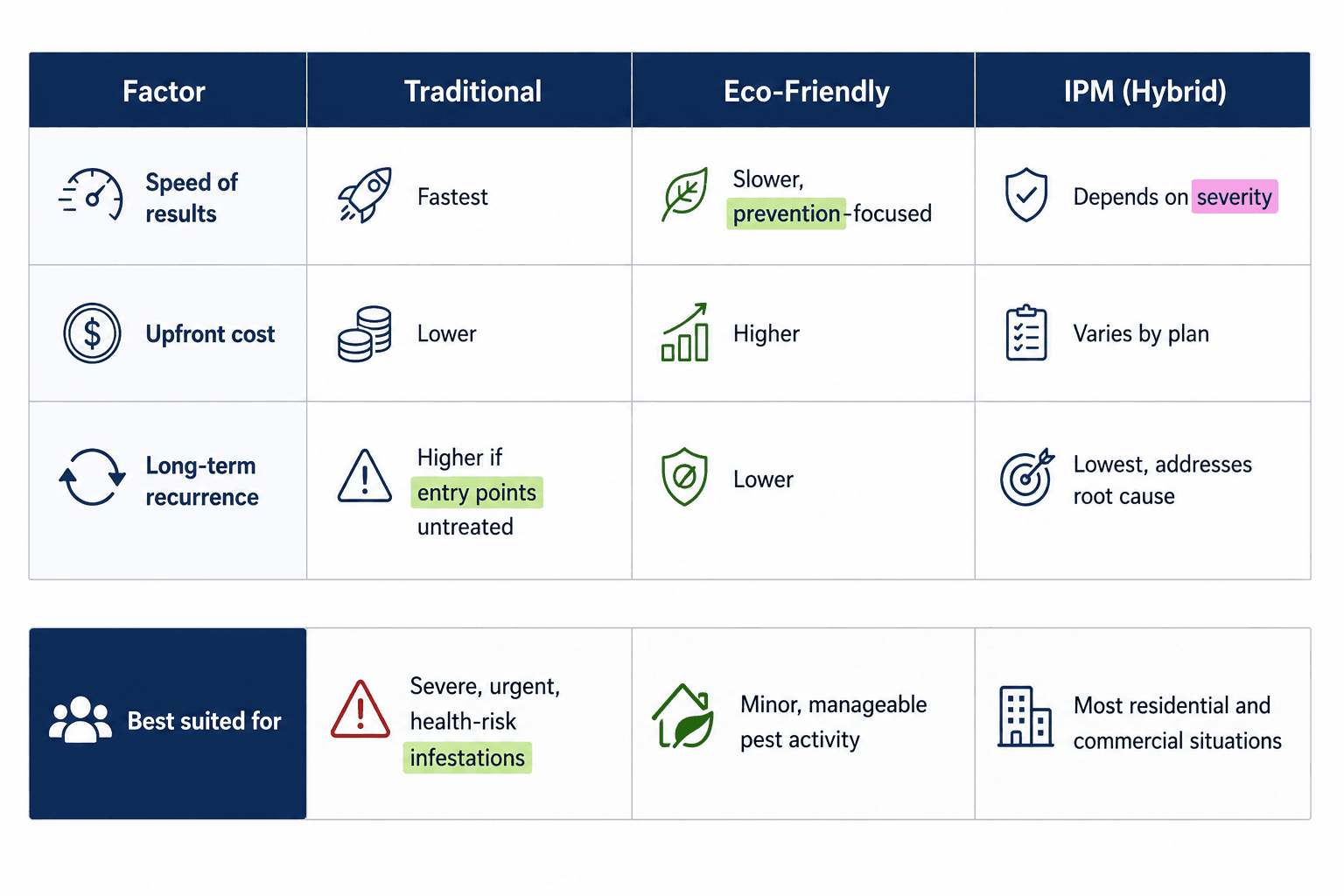
Comparing Eco-Friendly, Traditional, and IPM at a Glance
Does the Best Method Change With the Seasons in Ontario?
Yes, and this is one of the most overlooked parts of choosing a method. Spring and summer tend to bring ant activity, wasp nests, and general insect pressure, and this is often when eco-friendly, prevention-focused methods have the most room to work, since there's time to address entry points and attractants before a small problem grows.
Fall looks different across the GTHA and South Simcoe Region. As temperatures drop, rodents actively search for warm indoor shelter, whether that's a home in Barrie, a business in Bradford, or a property in King City, and this shift is exactly when a faster, more direct response tends to matter more than minimizing product use.
This is also why a single treatment philosophy rarely serves a property well across an entire year. A prevention-first plan that works well in June can be too slow for a rodent problem discovered in November. A chemical-first approach used year-round has the opposite problem: it keeps treating symptoms that better sealing and monitoring would have prevented in the first place. Matching the method to the season, not just the pest, is part of what separates a genuinely effective long-term plan from a reactive one.
Is Eco-Friendly Pest Control More Expensive Than Traditional?
Often at first, yes, though the honest answer depends on the timeline being measured. Traditional pest control can look more affordable upfront, since a single chemical treatment is usually cheaper than a multi-step eco-friendly program. But if pests return because the underlying entry points or conditions were never addressed, repeated treatments add up fast.
Eco-friendly methods, particularly ones built around exclusion and prevention, tend to cost more initially but reduce the chance of recurring problems. A sealed entry point stays sealed. A treated symptom without addressing the cause often doesn't. It's worth asking any provider directly what happens if the pest returns, and whether follow-up visits are included, since that answer affects the real cost more than the invoice for the first visit.
Is Eco-Friendly Pest Control Safe for Kids and Pets?
natural doesn't automatically mean risk-free. Traditional chemical pesticides can pose health risks if mishandled, including respiratory irritation or skin reactions, which is why proper application and ventilation matter as much as the product itself. A licensed technician is trained specifically to minimize these risks, since correct dilution, correct placement, and correct timing all reduce exposure far more than the choice of product alone.
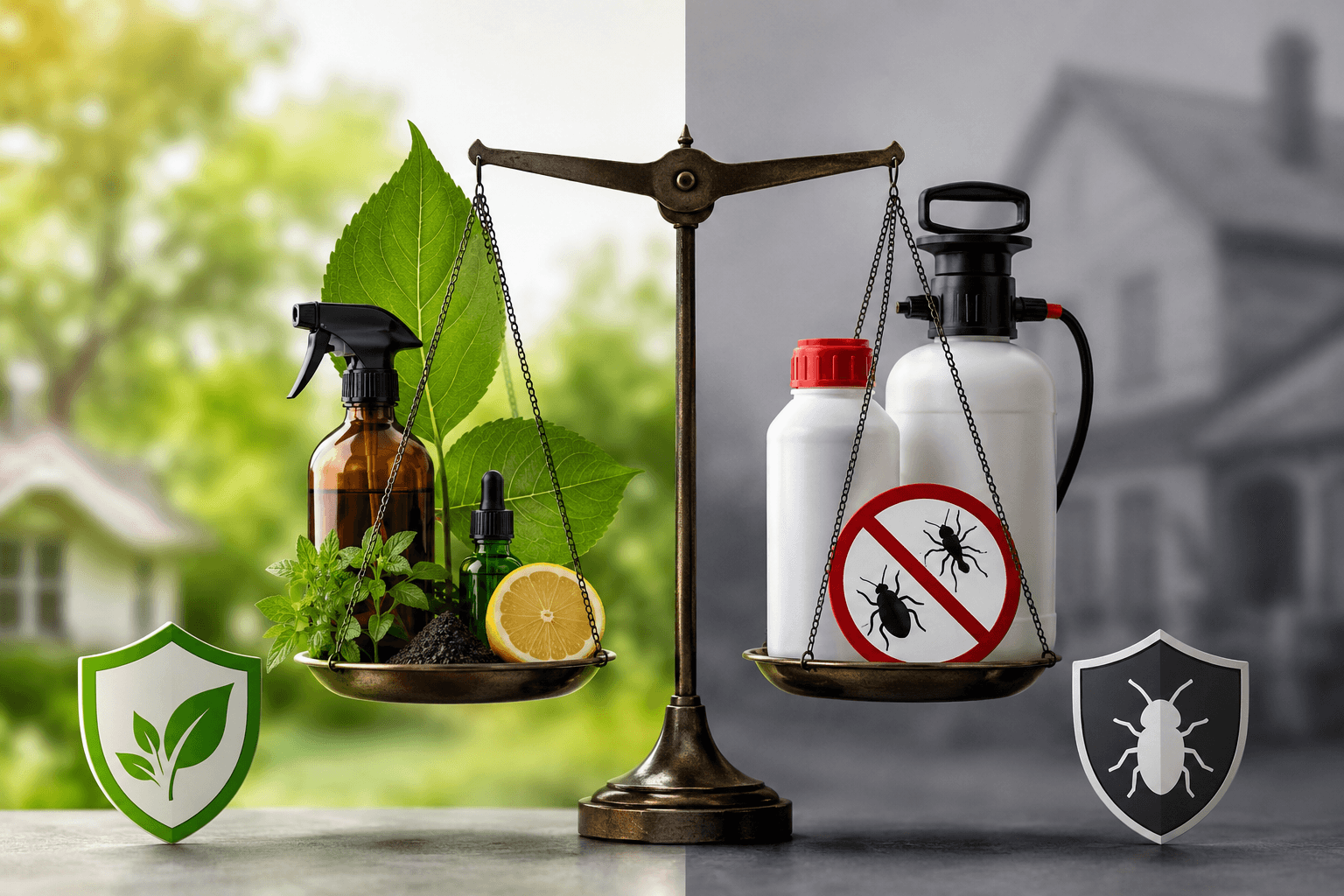
Eco-friendly methods are generally gentler on people, pets, and beneficial insects, but some botanical repellents can still irritate sensitive individuals or pets. "Eco-friendly" describes the approach, not a guarantee of zero risk. The safest path for most households is working with a provider who explains exactly what's being used and why, and who answers direct questions about product safety before treatment starts rather than after.
Homes vs. Businesses: Does the Right Approach Change?
When evaluating pest control options, health and safety should be top priorities. Traditional chemical pesticides can pose health risks if not handled properly, including respiratory problems or skin irritation. It is essential to ensure proper application and ventilation during their use.
Eco-friendly methods are generally considered safer for humans, pets, and beneficial insects. They focus on reducing exposure to harmful chemicals while effectively managing pests. This makes them an appealing choice for families with children or pets who are concerned about safety.
Often, yes. Homeowners usually have more flexibility to prioritize eco-friendly, prevention-first methods, especially for manageable, non-urgent activity. Businesses in food service or healthcare often have compliance requirements that call for a documented treatment plan. This is where IPM tends to work best: it provides the monitoring and paper trail that inspections and audits require, while still keeping chemical use to a minimum.
Pest Troopers' ongoing pest prevention program is built around this exact prevention-first model, with scheduled inspections designed to catch problems before they become larger infestations, for homes and businesses alike.
How Do You Decide Which Method Fits Your Situation?
The right choice depends on the pest, the timeline, the budget, and how much you want to minimize chemical use. A minor ant trail or a single wasp nest is usually a reasonable candidate for an eco-friendly-first approach. A severe rodent infestation, a health-risk pest, or a problem that's already spread across multiple areas of a property usually calls for faster, more direct treatment, sometimes combined with eco-friendly prevention work afterward to stop it from returning.
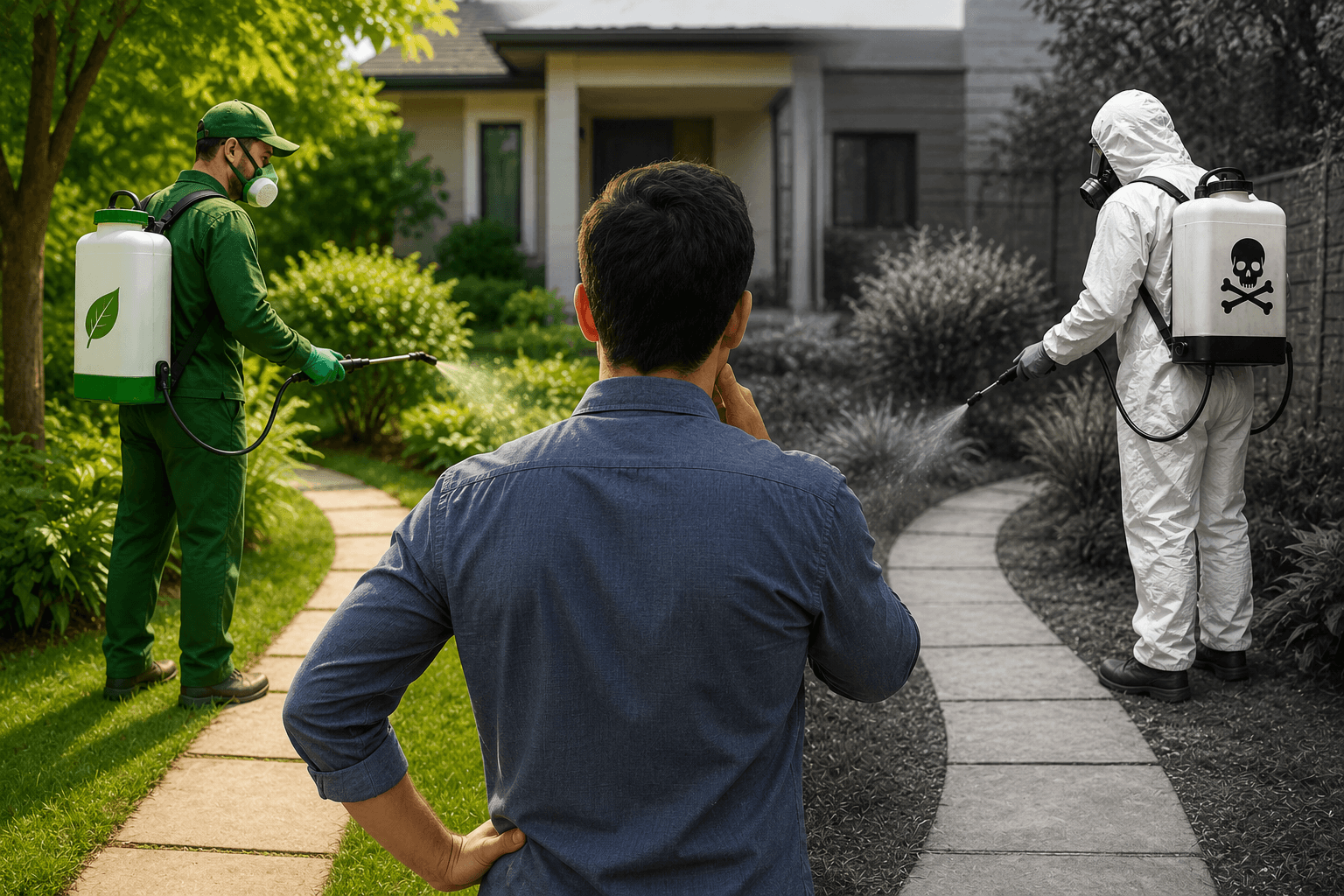
A useful test: ask what happens if the first treatment doesn't fully solve the problem. A fast chemical treatment that doesn't address why the pest got in tends to see the same issue resurface within a season. An eco-friendly approach applied to a problem too severe for prevention alone to handle can let the infestation keep spreading while the slower method takes effect. Matching the approach to the actual severity of the problem, not a personal preference for one label over the other, is what actually determines the outcome.
Neither approach is universally better. The right provider will tell you honestly which situation you're in, rather than defaulting to whichever service is easiest to sell.
How Pest Troopers Decides Which Approach Fits Your Property
The decision doesn't start with a preference for one method; it starts with an inspection. A technician identifies the pest, assesses how severe the activity is, and looks at the specific entry points and conditions on the property before recommending anything. A minor ant trail found in a Mississauga home during a routine check gets a different response than an active rodent infestation found during a similar inspection in Brampton, even though both might happen the same week.
From there, the plan is built around what actually solves the problem with the least disruption. Sometimes that means a prevention-first, largely eco-friendly plan. Other times, particularly with a severe or health-risk infestation, it means starting with direct treatment and layering exclusion work in afterward once the immediate problem is under control. Either way, the goal is the same: solve it once, not repeatedly.
Frequently Asked Questions
Is eco-friendly pest control as effective as traditional methods?
For many common pest problems, yes, particularly when combined with proper exclusion work. For severe or fast-spreading infestations, direct chemical treatment is usually faster, sometimes followed by eco-friendly prevention work to stop recurrence.
Is eco-friendly pest control safe for pets and children?
Generally, it's gentler than traditional chemical treatment, but natural doesn't automatically mean zero risk. A good provider explains exactly what's being used and any precautions worth taking.
Does eco-friendly pest control cost more?
Often the upfront cost is higher, but it can reduce repeat treatments over time by addressing the entry points and conditions causing the problem instead of just the symptoms.
What is Integrated Pest Management?
IPM is a professional framework that combines prevention, monitoring, and targeted treatment, chemical or otherwise, based on what a specific situation actually requires instead of defaulting to one method for every job.
Can eco-friendly and traditional methods be combined?
Yes, and in practice, most effective pest control does exactly this. A severe infestation might need direct chemical treatment first, followed by eco-friendly exclusion work to prevent it from returning.
Does the best approach change with the seasons?
Yes. Spring and summer generally leave more room for prevention-focused, eco-friendly methods, while fall's rodent activity often calls for a faster, more direct response as pests actively seek indoor shelter from the cold.
How do I know which approach my property needs?
An inspection is the only reliable way to know. The right method depends on the specific pest, how severe the activity already is, and the entry points on the property, which is why an assessment matters more than a general preference for one label.
Making the Right Choice for Your Home and the Environment
Eco-friendly pest control and traditional methods aren't really competing options, they're tools that fit different situations. A minor problem caught early usually has room for a gentler approach. A severe or health-risk infestation usually needs speed first, with prevention work layered in afterward. The method that actually works is the one matched to the real severity of the problem, not the one with the better marketing.
Pest Troopers serves the Greater Toronto and Hamilton Area and South Simcoe Region, including Toronto, Vaughan, Brampton, Mississauga, Barrie, Bradford, and King City, with pest control built around this exact thinking. For a broader look at keeping pests out year-round, our Ontario homeowners' guide to pest control covers prevention and treatment in more depth. If you're ready to talk through your specific situation, contact Pest Troopers for a straightforward assessment and honest guidance on which approach actually fits your property.