
Bed Bug Heat Treatment vs. Chemical Treatment: Comparing Effectiveness & Timeline


Discovering bed bugs in your Canadian home triggers immediate panic and for good reason. These resilient pests multiply rapidly, cause sleepless nights, and resist many traditional control methods. When you're ready to fight back, you'll face a critical decision: should you use thermal remediation or chemical applications to eliminate your infestation?
Understanding bed bug heat treatment versus chemical approaches isn't just about choosing between two extermination methods. It's about selecting the strategy that matches your timeline, budget, safety concerns, and infestation severity. Both methods can work, but they operate on completely different principles, require varying timeframes, and deliver distinct advantages and limitations.
This comprehensive comparison examines how each treatment works, how long results take, what you can expect during the process, and which situations favour one method over the other. By understanding these differences, you'll make an informed decision that gets your home back to normal as quickly and effectively as possible.

How Thermal Remediation Works: The Science of Heat
Bed bug heat treatment uses specialized equipment to raise room temperatures to lethal levels typically between 120 and 140 degrees Fahrenheit. At these temperatures, bed bugs at all life stages die within minutes, including eggs that often survive chemical applications.
Professional exterminators bring industrial heating equipment that circulates hot air throughout infested spaces. Temperature sensors monitor conditions in real-time, ensuring every area reaches and maintains lethal temperatures long enough to kill hiding insects. The heat penetrates walls, furniture, mattresses, and all the tiny cracks and crevices where bed bugs shelter during daylight hours.
What makes thermal methods particularly effective is their physical mechanism. Heat doesn't rely on toxins that insects can develop resistance against. Instead, it denatures proteins and disrupts cellular functions, a lethal effect that no evolutionary adaptation can overcome. When executed properly by certified technicians, this approach achieves thorough eradication in a single session.
Understanding Chemical Applications: Insecticides and Their Limitations
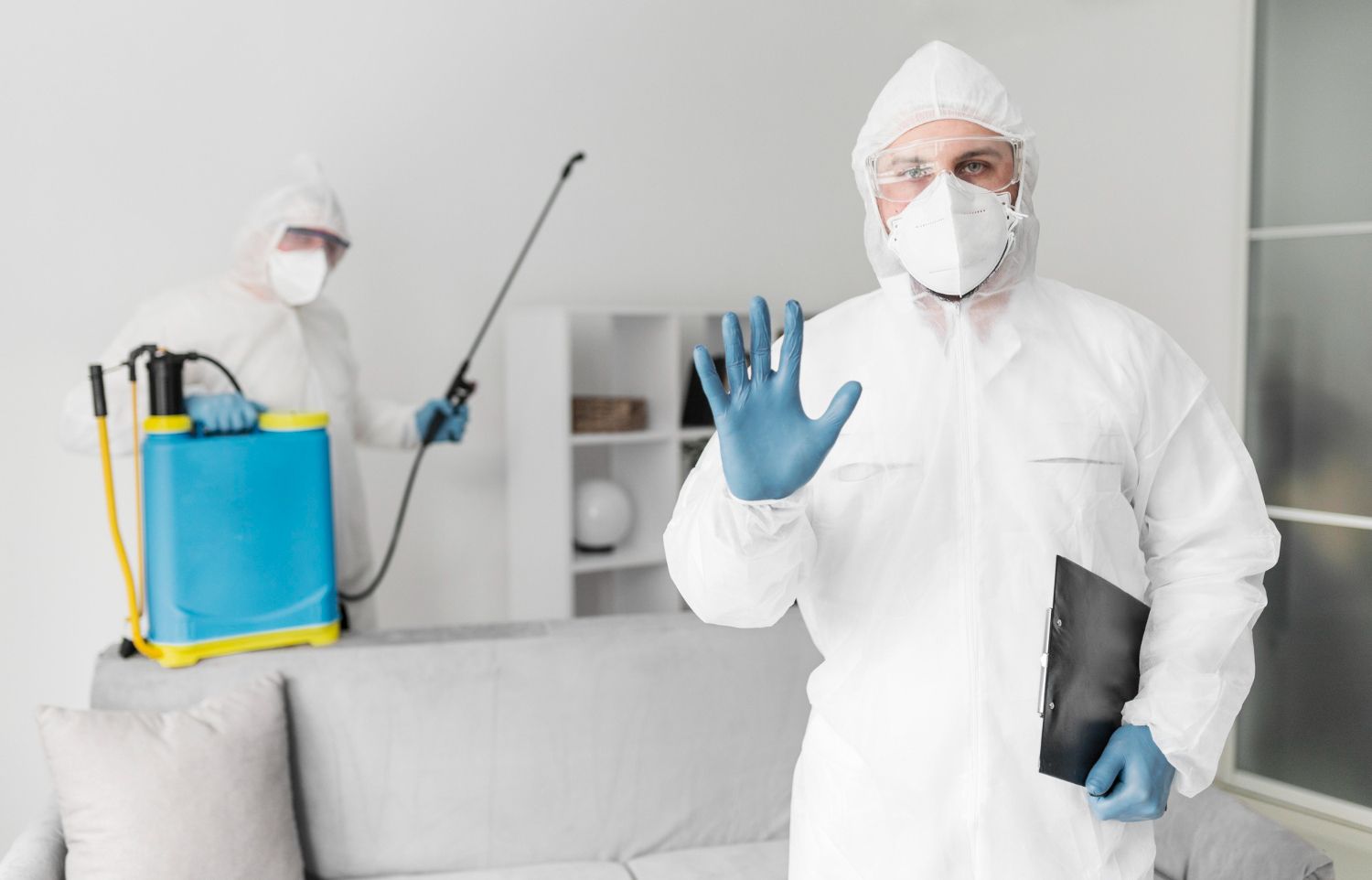
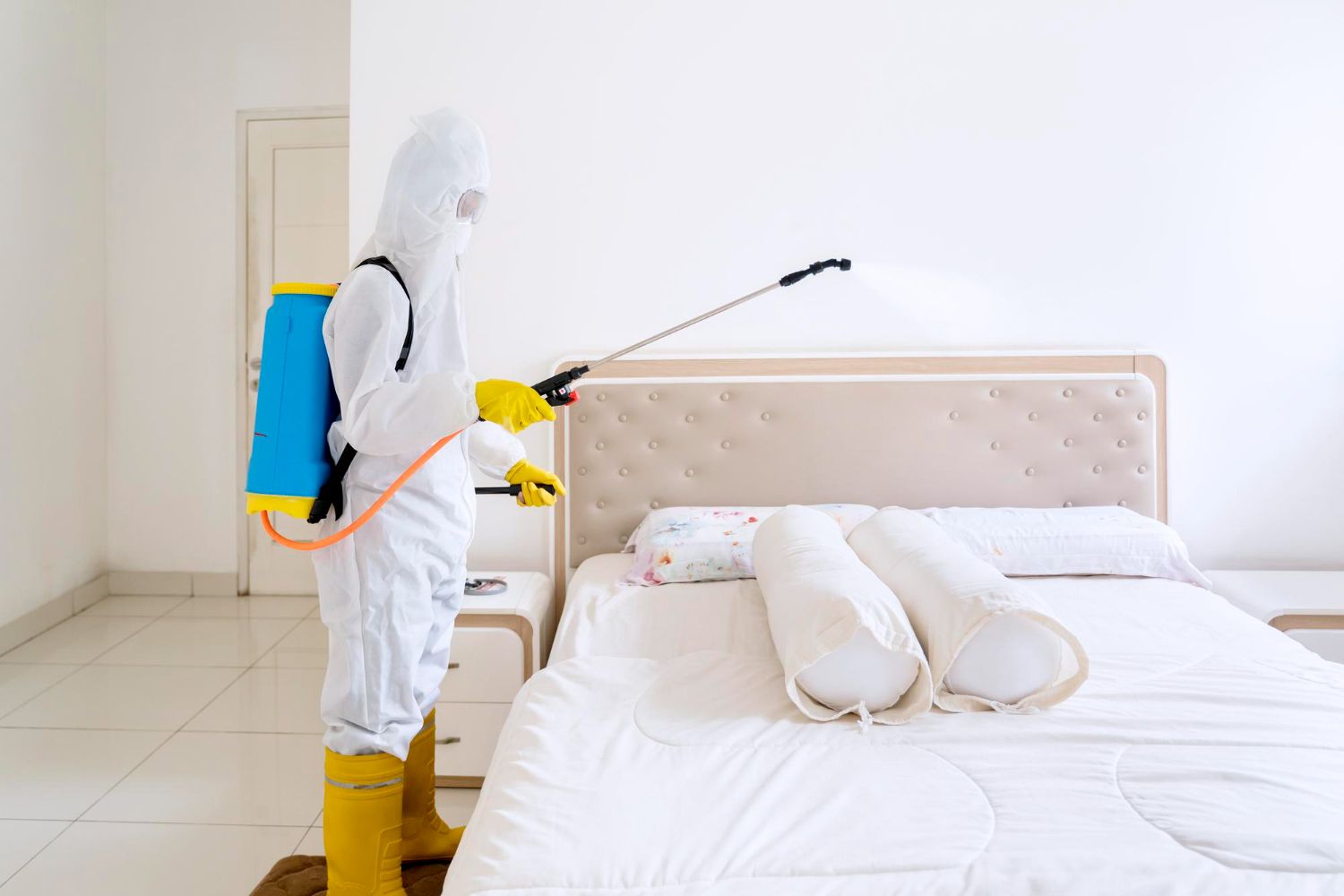
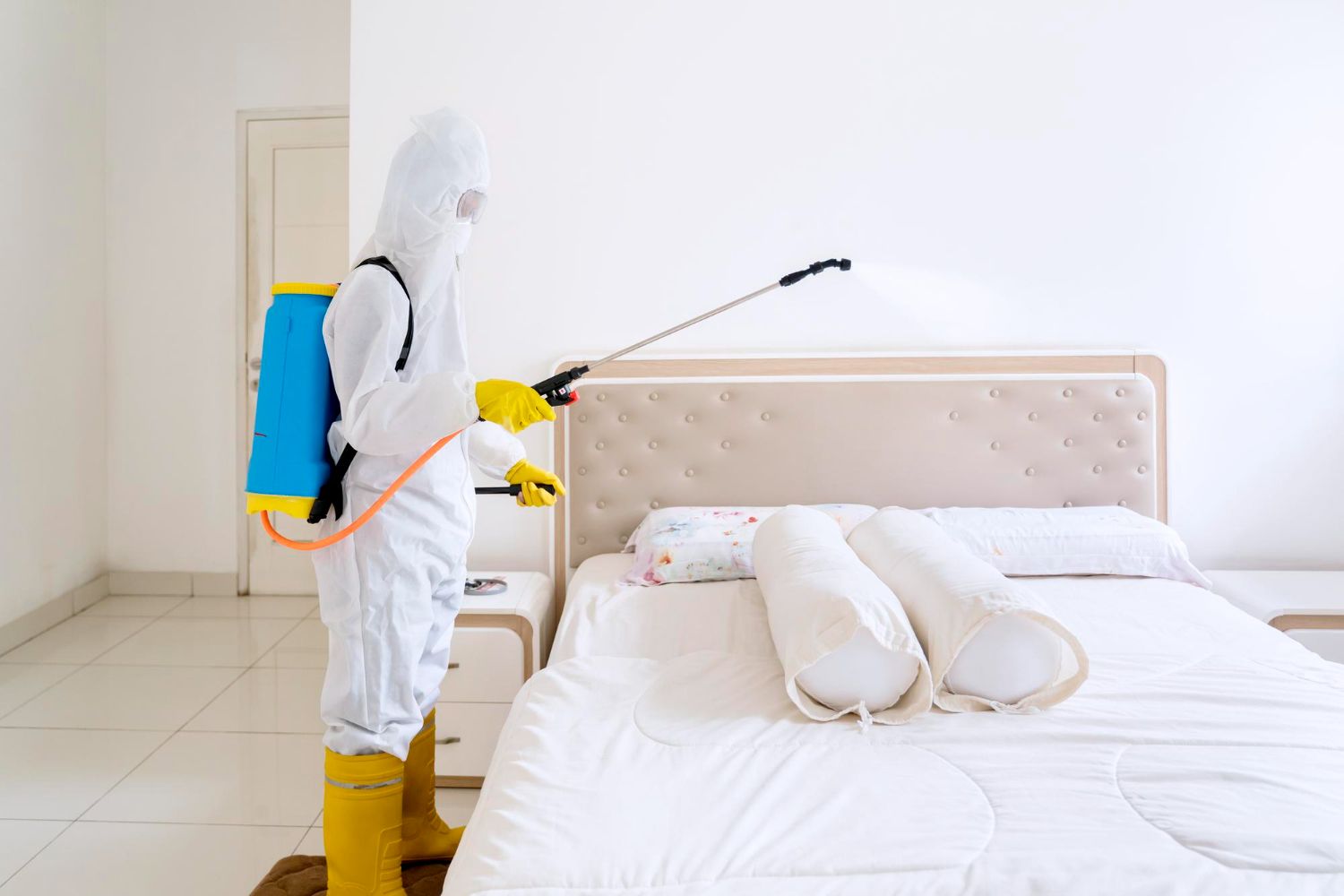
Chemical treatment for bed bugs typically involves multiple product types applied to various locations throughout your home. Pest management professionals use spray formulations for surfaces, dust products for wall voids and electrical outlets, and aerosol applications for targeted spots.
Modern insecticides work through different mechanisms: some disrupt nervous systems, others damage protective outer shells, and some interfere with growth and reproduction. This multi-pronged approach helps address the growing problem of pesticide resistance that's made bed bug control increasingly challenging in recent decades.
However, chemical methods face inherent limitations. Sprays only kill insects they directly contact or that later walk through treated areas. Bed bugs hiding deep in furniture, behind baseboards, or inside walls may escape initial applications. Eggs have protective shells that many chemicals can't penetrate, requiring follow-up treatments timed to the insect's life cycle.
Treatment Timeline: Same-Day vs. Multi-Week Processes
Here's where the two methods differ dramatically in their execution timeline.
Bed Bug Heat Treatment Timeline
Thermal remediation typically completes in a single day. The actual heating process takes 4-8 hours depending on your home's size and the equipment used. Your technician arrives in the morning, sets up heating units and temperature monitors, gradually raises temperatures to lethal levels, maintains those conditions for several hours, then allows controlled cooling before you return home.
Most Canadian homeowners can leave in the morning and return by evening to a bed bug-free environment. There's no waiting between treatments, no wondering when the process will finally end, and no extended disruption to your daily routine.
Chemical Treatment Timeline
Insecticide applications require multiple sessions spread over 3-6 weeks. The initial treatment addresses active adult bed bugs and accessible nymphs. Because eggs survive this first application, technicians schedule a second visit 10-14 days later timed for when those eggs have hatched but before newly emerged insects reach reproductive maturity.
Many infestations require a third treatment session to catch any survivors from the second round. From start to finish, complete eradication typically spans 4-8 weeks, requiring you to prepare your home multiple times, schedule several appointments, and maintain treatment protocols throughout this extended period.
Effectiveness Comparison: Success Rates and Thoroughness
Single-Session Efficacy
Bed bug heat treatment achieves 90-95% eradication rates when properly executed by experienced professionals. The key advantage is simultaneous elimination of all life stages: eggs, nymphs, and adults die together during the heating process. There's no waiting for eggs to hatch or hoping chemicals reach every hiding spot.
Heat penetrates everywhere air circulates, reaching insects in locations that spray applications simply cannot access. Wall voids, inside electronics, deep within mattress construction, behind switch plates thermal energy finds bed bugs wherever they hide.
Chemical Treatment Effectiveness
Chemical applications show more variable success rates, typically requiring those 2-3 sessions to achieve complete elimination. Studies indicate approximately 18% of chemical treatments need additional follow-up visits beyond the standard protocol, often because of resistance issues or incomplete coverage.
The challenge with insecticides is achieving complete contact coverage. Bed bugs are experts at finding tiny refuges where sprays don't reach. They also exhibit escape behavior when they detect chemical odors, fleeing treated areas toward untreated zones. This survival instinct, combined with growing pesticide resistance, makes chemical-only approaches increasingly unreliable.
The Growing Problem of Chemical Resistance
One of the most concerning developments in bed bug control is the documented resistance to common insecticides. Populations across North America, including Canadian cities, have developed genetic mutations that protect them from chemicals that once killed them reliably.
This resistance stems from decades of pesticide use and natural selection. Insects that survive chemical exposure reproduce, passing resistance genes to offspring. Over generations, entire populations become increasingly difficult to control with standard products. Some bed bug populations now show resistance to multiple insecticide classes, severely limiting chemical treatment options.
Bed bug heat treatment sidesteps this problem entirely. There's no resistance to physics. Insects cannot evolve protective adaptations against lethal temperatures. This makes thermal methods increasingly valuable as chemical resistance continues spreading.
Safety Considerations for Your Family
Chemical Safety Concerns
Insecticide applications introduce toxic substances into your living environment. While regulated products used by licensed professionals are generally safe when applied correctly, they still pose potential health risks particularly for children, pregnant women, pets, and individuals with chemical sensitivities or respiratory conditions.
Chemical treatments require evacuation during application and for several hours afterward. Residual pesticides remain on surfaces for weeks or months, providing ongoing protection but also creating extended exposure possibilities. Some family members may experience reactions like headaches, respiratory irritation, or skin sensitivities after returning home.
Thermal Treatment Safety
Heat treatments are completely non-toxic and chemical-free. The only "product" used is hot air, which dissipates completely once temperatures return to normal. There are no residual chemicals on surfaces, no lingering odors, and no concerns about children or pets contacting treated areas.
The main safety consideration is protecting heat-sensitive items. Vinyl records, certain plastics, some medications, aerosol cans, and electronics may require removal before treatment. Your technician provides detailed guidance on preparation, ensuring valuable items stay protected during the heating process.
Preparation Requirements: Getting Ready for Treatment
Preparing for Thermal Remediation
Bed bug heat treatment preparation focuses primarily on protecting heat-sensitive belongings. You'll remove items like:
◆ Electronics (computers, TVs, game consoles)
◆ Certain medications and cosmetics
◆ Vinyl records and heat-sensitive art
◆ Pressurized containers
◆ Houseplants
◆ Pets (temporarily relocate during treatment)
Most furniture, bedding, clothing, and household items remain in place as the heat treats them along with the structure itself. This actually simplifies preparation compared to chemical methods because you don't need to provide access to every surface.
Preparing for Chemical Applications
Chemical treatment preparation is often more extensive and time-consuming. You'll need to:
◆ Declutter extensively to expose hiding places
◆ Pull furniture away from walls
◆ Remove items from closets and drawers
◆ Launder all bedding, curtains, and washable fabrics
◆ Bag and seal personal items to prevent contamination
◆ Vacuum thoroughly before each treatment session
◆ Provide access to all areas requiring treatment
This preparation must be repeated before each of the 2-3 treatment sessions, creating significant disruption to your household over the multi-week treatment timeline.
Cost Analysis: Investment vs. Value
Bed bug heat treatment typically carries higher upfront costs, often $1,000-$4,000 for whole-home treatment in Canadian markets, depending on property size and infestation severity. This might seem expensive until you consider it's usually a single payment for complete eradication.
Chemical treatments appear more affordable initially, with first sessions costing $300-$800. However, the required follow-up visits add up. Total costs for complete chemical elimination often reach $1,200-$2,500 across all sessions. When treatments fail and require additional visits, costs increase further while the infestation continues disrupting your life.
The true cost comparison must also consider:
◆ Time off work for multiple appointments vs. one day
◆ Repeated preparation efforts vs. single preparation
◆ Extended stress and sleep disruption vs. same-day resolution
◆ Risk of incomplete elimination requiring retreatment
Many Canadian homeowners find that while thermal methods cost more upfront, they deliver better value through faster results, higher success rates, and single-treatment completion.
Residual Protection: Preventing Reinfestation
This is one area where chemical applications offer an advantage. Insecticides leave residual protection on treated surfaces that continues killing bed bugs for weeks or months after application. This provides a defensive barrier against any survivors or new introductions.
Bed bug heat treatment provides no residual protection. Once temperatures return to normal, there's nothing preventing new bed bugs from establishing if they're introduced from outside sources though they won't find any surviving population from the original infestation.
The solution many professionals recommend is combining approaches: thermal treatment for immediate complete eradication, followed by limited chemical application in high-risk areas (like along baseboards near entry points) for ongoing monitoring and protection.
Making the Right Choice for Your Situation
Several factors should guide your treatment decision:
Choose thermal treatment when:
◆ You need immediate results and can't wait weeks
◆ Family members have chemical sensitivities
◆ You're dealing with severe, widespread infestation
◆ Previous chemical treatments have failed
◆ You want single-treatment completion
Consider chemical treatment when:
◆ Budget constraints make upfront thermal costs prohibitive
◆ Infestation is limited to one or two rooms
◆ You prefer ongoing residual protection
◆ Your schedule accommodates multiple treatment sessions
◆ You've confirmed your infestation isn't showing pesticide resistance
Combination approaches work best when:
◆ You want immediate eradication plus long-term protection
◆ You're in a high-risk environment (apartment building, frequent travel)
◆ You want maximum assurance against reinfestation
Conclusion
The choice between bed bug heat treatment and chemical applications isn't about which method is universally superior, it's about which approach best fits your specific circumstances, needs, and priorities.
Thermal remediation offers unmatched speed, delivering complete eradication in a single day without toxic chemicals. It achieves higher success rates, cannot be resisted by evolved insect populations, and eliminates all life stages simultaneously. For Canadian homeowners who need immediate results, have chemical sensitivities, or have experienced chemical treatment failures, heat provides the most reliable solution.
Chemical treatments require extended timelines and multiple sessions but cost less upfront and provide ongoing residual protection. They work effectively for early-stage, localized infestations when properly applied and when dealing with non-resistant bed bug populations.
Whatever method you choose, professional expertise matters enormously. Experienced pest management technicians understand bed bug biology, proper application protocols, and how to verify complete elimination. Don't let these resilient pests continue disrupting your life consult with qualified professionals who can assess your situation and recommend the treatment approach that will restore your peace of mind most effectively.
Frequently Asked Questions
1. Is heat treatment better than chemical treatment for bed bugs?
Heat treatment is often better because it kills bed bugs at all life stages in one session, reaches hidden areas, and avoids chemical exposure. However, it can be more expensive, and severe infestations may still require follow-up chemical applications for complete control.
2. What is the most effective treatment against bed bugs?
The most effective approach is an integrated treatment combining whole-home heat with targeted chemical applications. Heat kills all stages instantly, while residual insecticides prevent re-infestation. This combination delivers thorough, long-lasting results and is recommended by most professional pest control companies for stubborn infestations.
3. How long do I need to stay out of my home for each treatment?
For bed bug heat treatment, you'll evacuate for 6-10 hours typically leaving in the morning and returning by evening. Chemical treatments require evacuation for 3-4 hours after application, but you'll do this 2-3 times over several weeks.
4. Can bed bugs survive heat treatment?
When properly executed with temperatures maintained at 120-140°F throughout all spaces for adequate duration, bed bugs cannot survive. The physics of thermal exposure is lethal to all life stages with no possibility of resistance.
5. Why do chemical treatments need multiple sessions?
Eggs survive initial insecticide applications due to their protective shells. Follow-up treatments target newly hatched nymphs before they mature enough to reproduce. Multiple sessions ensure no life stage escapes treatment.
6. Which method is safer for children and pets?
Thermal treatment is completely non-toxic and chemical-free, making it the safest option for families with young children, pets, or chemical sensitivities. Both methods require temporary evacuation during treatment, but only heat leaves zero chemical residue.
7. What's the reinfestation risk with each method?
Neither method prevents new bed bugs from entering your home later. Chemical treatments provide residual protection for weeks to months. Heat treatment offers no residual barrier but achieves more complete immediate eradication, leaving no surviving population to rebuild.
8. Do I need professional treatment, or can DIY methods work?
DIY approaches using portable heaters or consumer pesticides rarely achieve complete eradication. Professional equipment, expertise, and proper application protocols are essential for success with either method. Attempting DIY solutions typically wastes time and money while infestations worsen.