
The Truth About DIY Pest Control: Why Store-Bought Solutions Often Fail

You've spotted cockroaches scurrying across your kitchen counter at 2 AM. Or maybe you've noticed carpenter ants trailing along your baseboards. Your first instinct? Grab a can of bug spray from the local hardware store and take matters into your own hands. After all, how hard can it be?
If you're like most Canadian homeowners, you've already learned the frustrating truth: DIY pest control vs professional treatments reveals a massive gap in effectiveness. That $15 bottle of insecticide might kill a few visible pests, but the infestation beneath your walls continues to grow, costing you more money and peace of mind with each passing week.
The reality is that store-bought pest control products are designed for minor problems and quick profits, not comprehensive solutions. While professional exterminators invest years learning pest biology, behavior patterns, and advanced treatment methods, DIY enthusiasts are left playing a dangerous guessing game with toxic chemicals and their family's safety.
In this comprehensive guide, we'll expose why over-the-counter pest solutions consistently fail, the hidden dangers lurking in your garage alongside those spray bottles, and when it's time to stop wasting money on products that simply don't work.
Why Store-Bought Pest Products Set You Up for Failure
The Potency Problem: Watered-Down Solutions
Walk into any Canadian hardware store, and you'll find dozens of pest control products promising miraculous results. What they won't tell you? These consumer-grade formulations contain significantly lower concentrations of active ingredients compared to professional-grade products.
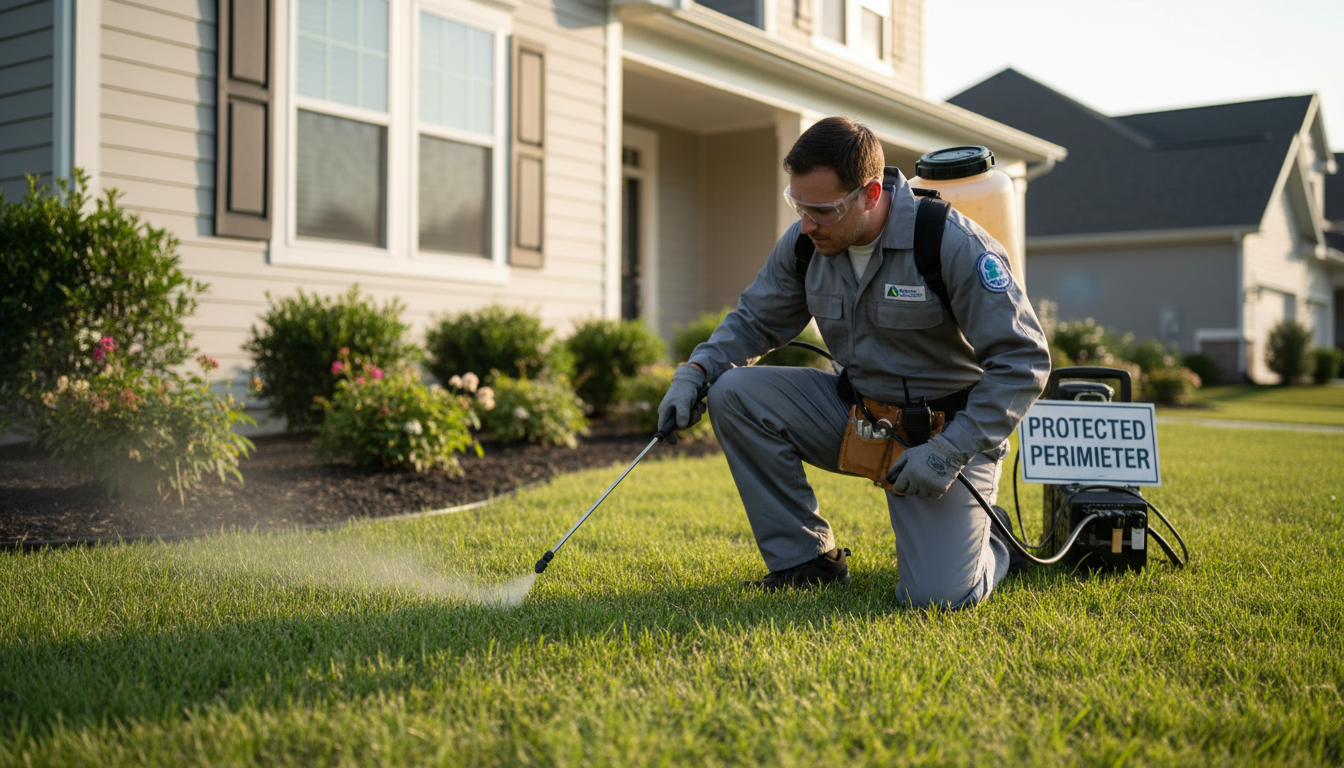
Licensed pest control technicians have access to commercial-grade treatments that are 3-5 times stronger than anything you'll find at retail stores. This isn't just about marketing, it's about efficacy and regulatory compliance.
Here's what makes professional products superior:
Higher concentration of active ingredients approved for licensed applicators
Microencapsulated formulas that provide long-lasting residual protection
Non-repellent technologies that eliminate entire colonies rather than scattering them
Specialized application equipment ensures proper coverage and penetration
When you compare DIY pest control vs professional treatments, you're essentially comparing a water pistol to a fire hose. Both might look similar, but the results tell a vastly different story.
Misidentification: Your Most Expensive Mistake
Do you think all ants are the same? That costly assumption has led countless Canadian homeowners to make infestations significantly worse. Carpenter ants require completely different treatment protocols than pavement ants or pharaoh ants. Using the wrong approach doesn't just waste money; it can cause pests to split their colonies and spread throughout your home.
Consider termites versus carpenter ants. Both create wood damage, but they require entirely different eradication methods. Termites feed on cellulose in wood, while carpenter ants excavate galleries but don't consume the material. Treating suspected termites with an ant bait accomplishes nothing except giving the real culprits more time to destroy your home's structural integrity.
Professional pest inspections include accurate species identification, which is foundational to any successful treatment plan. Certified technicians can distinguish between dozens of similar-looking insects and rodents, understanding their unique biology, breeding cycles, and behavioral patterns.
The Iceberg Effect: Treating Symptoms, Not Causes
You spray visible bugs. They die. Problem solved, right? Wrong.
What you see represents roughly 10-20% of the actual infestation. The remaining 80-90% lives in wall voids, attic spaces, crawlspaces, and other hidden areas where your store-bought spray will never reach.
Bed bugs perfectly illustrate this problem. You might kill the adults crawling on your mattress, but their eggs remain safely tucked in mattress seams, electrical outlets, and baseboards. Within weeks, a new generation emerges, and you're back where you started, except now you've spent $200 on various products and your infestation has actually grown.
Professional pest control addresses the complete pest lifecycle:
Thorough inspections identifying all harborage areas and entry points
Targeted treatments reaching hidden nests and breeding sites
Preventive measures, such as eliminating food sources and moisture issues
Follow-up visits ensure complete colony elimination
The comparison between DIY pest control and professional approaches highlights why surface treatments fail. Exterminators don't just kill visible pests; they eliminate entire populations and prevent future problems.
The Hidden Dangers Lurking in Your Garage
Chemical Hazards: When Good Intentions Turn Toxic
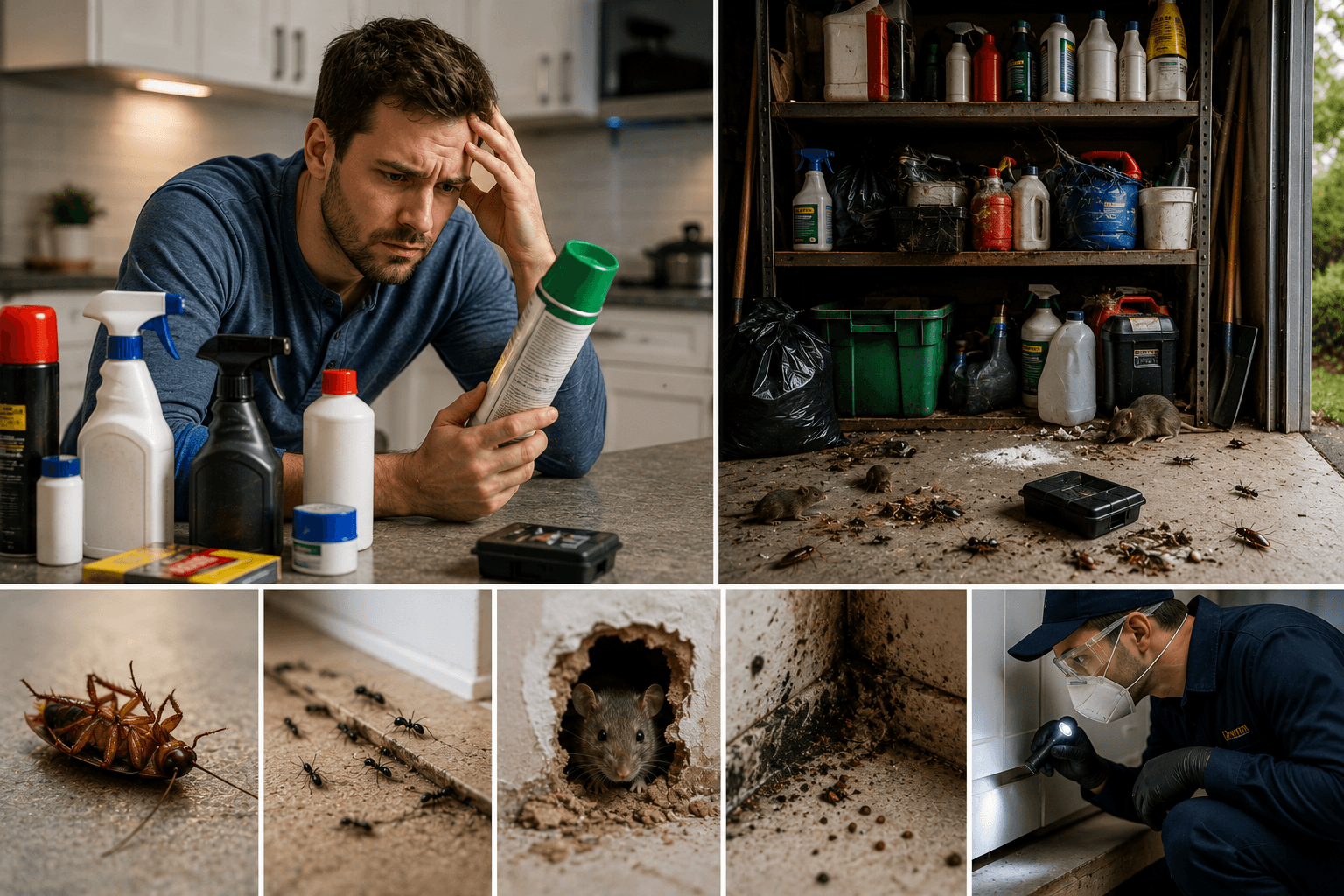
That innocent-looking can of bug spray contains powerful neurotoxins designed to kill living creatures. Used improperly, these pesticides pose serious health risks to your family, especially children and pets who play on floors where chemical residues accumulate.
Common DIY pest control mistakes include:
Overapplication leading to dangerous toxic exposure
Mixing incompatible chemicals creates harmful reactions
Applying indoor products outdoors (or vice versa)
Ignoring safety labels and protective equipment requirements
Storing pesticides improperly, risking accidental poisoning
Canadian poison control centers report thousands of pesticide-related incidents annually, most involving consumer products misused in homes. Respiratory irritation, skin burns, nausea, and more severe reactions occur when homeowners ignore safety protocols that professional technicians follow religiously.
Licensed pest control companies carry liability insurance and follow strict safety regulations. Their technicians complete extensive training on proper application techniques, personal protective equipment, and environmental protection. When you choose DIY pest control vs professional services, you're also choosing between amateur chemical handling and certified expertise.
Property Damage: The $10,000 Mistake
Improper pesticide application doesn't just risk your health; it can also seriously damage your property. Oil-based sprays stain carpets and upholstery. Excessive moisture from liquid treatments can promote mold growth in wall cavities. Some products corrode electrical wiring or damage finishes on woodwork and countertops.
But the most expensive property damage comes from delayed professional intervention. While you experiment with store-bought products, termites continue consuming your home's structural support. Carpenter ants excavate larger galleries. Rodents chew through wiring, creating fire hazards.
The average Canadian homeowner spends $300-800 on failed DIY pest control attempts before finally calling professionals. By that point, the infestation has often worsened significantly, requiring more extensive (and expensive) treatment protocols. Factor in structural repairs, and your initial savings evaporate quickly.
Environmental Impact: Beyond Your Backyard
DIY pest enthusiasts rarely consider the environmental consequences of their actions. Chemical runoff from over-applied pesticides contaminates soil and groundwater. Improper disposal sends toxic chemicals into municipal waste systems. Non-target species, including beneficial insects, birds, and small mammals, suffer from indiscriminate pesticide use.
Professional pest management follows Integrated Pest Management (IPM) principles that minimize environmental impact:
Using the lowest effective chemical concentrations
Targeting specific pest species while protecting beneficial organisms
Employing non-chemical methods whenever possible
Proper disposal of all pesticide containers and waste
Monitoring and adjusting treatment strategies based on results
When evaluating DIY pest control vs professional options, environmental responsibility should factor into your decision. Certified exterminators balance effectiveness with ecological stewardship, something that's difficult to achieve without proper training and equipment.
The True Cost: Why DIY Usually Costs More
The Cycle of Wasted Money
Let's walk through a typical DIY pest control scenario for bed bugs:
Week 1: Purchase mattress cover, bed bug spray, and diatomaceous earth ($150)
Week 3: Bugs still present; buy a different spray brand and foggers ($100)
Week 5: More bites appearing; try heat treatment kit ($200)
Week 8: Infestation spreading; buy professional-grade products online ($250)
Week 10: Finally call exterminator ($800-1,500 for proper treatment)
Total spent: $2,000-2,200
Result: More expensive than calling professionals initially, plus 10 weeks of lost sleep and stress
This pattern repeats across all pest types. Homeowners underestimate the challenge, make multiple product purchases, watch problems worsen, and eventually pay for professional intervention anyway, often at higher costs because the infestation has intensified.
Hidden Costs Nobody Talks About
Beyond product purchases, DIY pest control carries substantial hidden costs:
Time investment: Research, shopping, application, cleanup, and repeated attempts consume 15-30 hours for significant infestations
Health expenses: Doctor visits for allergic reactions, respiratory issues, or skin irritation from chemical exposure
Lost productivity: Sleep disruption from bed bugs or mosquitoes, distraction from ongoing pest problems
Opportunity costs: Time spent battling pests instead of earning income or enjoying life
Stress and anxiety: Mental health impact of living with unwanted invaders in your home
Professional pest control eliminates these hidden costs through efficient, effective solutions. The debate of DIY pest control vs professional services should account for the total cost of ownership, not just upfront expenses.
When Prevention Becomes Procrastination
Some homeowners justify ongoing DIY efforts as "preventive maintenance." They regularly apply pesticides around their home's perimeter, spray indoor areas, and set traps, spending hundreds annually with questionable results.
Professional pest control plans typically cost $300-600 annually for quarterly service visits. This includes:
Comprehensive inspections identifying problems before they escalate
Seasonal adjustments addressing different pest pressures throughout the year
Guaranteed results with free re-treatments if pests return between visits
Expert advice on exclusion work and environmental modifications
Documentation for real estate transactions and property management
The value proposition of DIY pest control vs professional maintenance programs strongly favors the latter when you calculate total annual costs and peace of mind.
What Professional Pest Control Actually Delivers
Knowledge That Can't Be Googled
Licensed pest control technicians complete extensive training covering:
Entomology (the study of insects)
Rodent biology and behavior patterns
Pest identification for hundreds of species
Life cycle characteristics affecting treatment timing
Resistance management prevents pesticide resistance
Building construction and common pest entry points
Safety protocols and regulatory compliance
Integrated Pest Management strategies
This expertise can't be replicated through a few hours of online research. Professional exterminators draw on years of experience solving thousands of unique pest problems across different property types and infestation severities.
When comparing DIY pest control vs professional expertise, it's like comparing WebMD to a medical degree. Information access doesn't equal practical competence.
Equipment and Products You Can't Buy
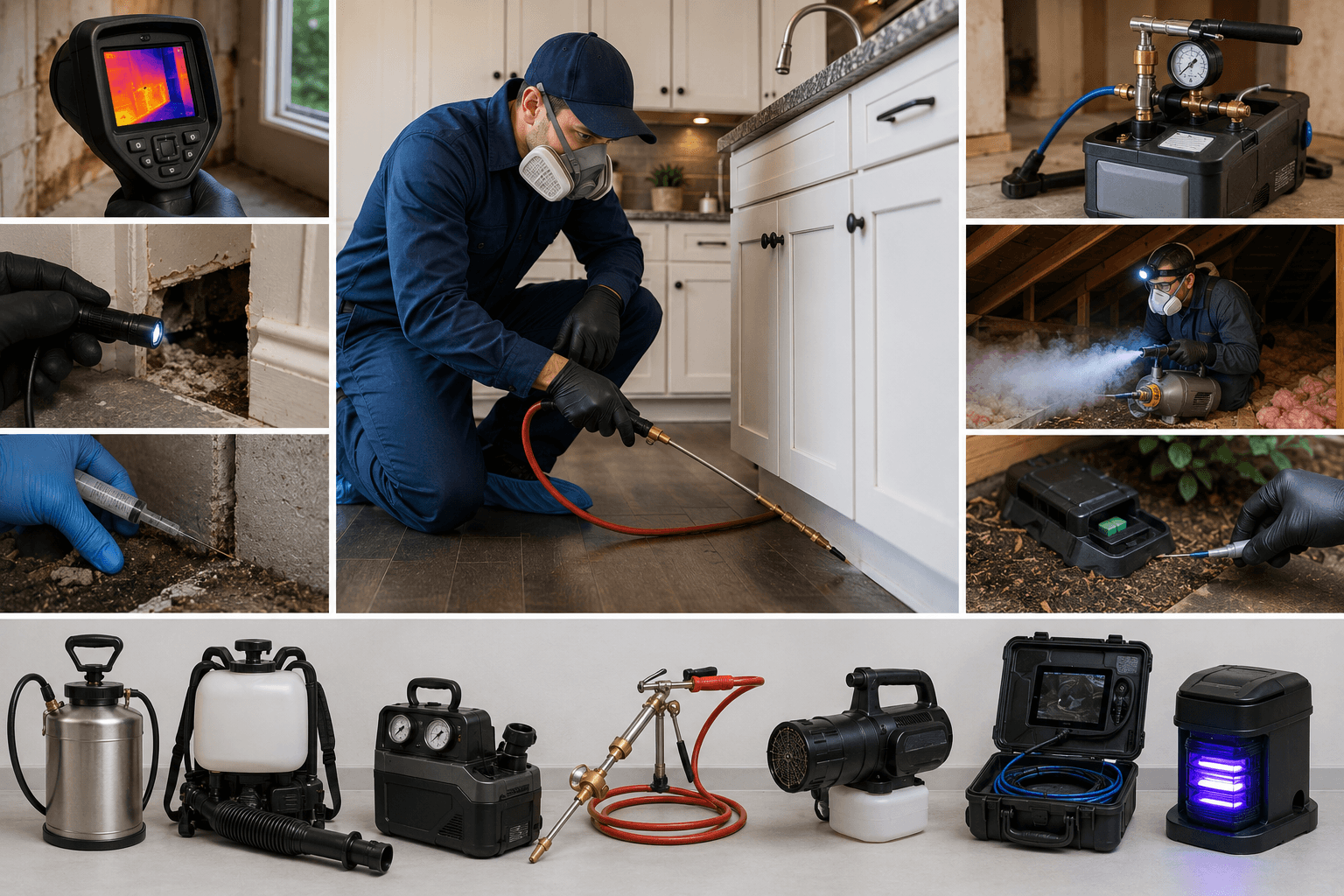
Professional pest control companies invest in specialized equipment that dramatically improves treatment efficacy:
Power sprayers delivering consistent application at proper pressures
Dust applicators reaching deep into wall voids and attic spaces
Thermal imaging cameras detect hidden infestations behind walls
Moisture meters identify conditions attracting pests
Rodent detection systems monitoring activity patterns
Specialized baits containing ingredients unavailable to consumers
Gel formulations and granular products designed for specific situations
These tools enable targeted treatments that reach pests where they actually live, not just where you see them crawling.
Comprehensive Solutions, Not Quick Fixes
Professional pest management follows a systematic approach:
1. Inspection Phase
Certified technicians conduct thorough property examinations, identifying pest species, infestation severity, entry points, harborage areas, and contributing conditions like moisture problems or structural gaps.
2. Treatment Planning
Based on inspection findings, exterminators develop customized treatment plans addressing your specific situation. This might combine multiple control methods, including chemical treatments, physical exclusion, habitat modification, and monitoring systems.
3. Implementation
A professional application ensures products reach target areas at proper concentrations. Technicians use safety equipment and follow label requirements precisely, protecting your family while maximizing pest elimination.
4. Follow-up and Monitoring
Most professional services include follow-up visits verifying treatment success. Technicians make adjustments based on results, ensuring complete colony elimination rather than temporary suppression.
5. Prevention and Education
Pest control professionals provide guidance on preventing future problems through sanitation improvements, exclusion work, and landscape modifications.
This comprehensive approach highlights why DIY pest control vs professional services yields such different outcomes. Store-bought products offer one-dimensional solutions to multi-faceted problems.
Conclusion: Stop Gambling with Your Home and Health
The comparison between DIY pest control vs professional services isn't even close when you examine effectiveness, safety, and true costs. Store-bought pest products might kill a few visible bugs, but they rarely address the underlying infestations threatening your home's structural integrity and your family's health.
Professional pest control delivers comprehensive solutions backed by expertise, specialized equipment, and guaranteed results. Yes, it costs more upfront than a can of bug spray, but it costs far less than months of failed DIY attempts combined with property damage, health risks, and the stress of living with unwanted pests.
Canadian homeowners deserve better than the false promises of over-the-counter pest solutions. You wouldn't perform surgery on yourself after watching YouTube videos, so why gamble with complex pest problems that require professional expertise?
If you're currently battling ants, rodents, bed bugs, termites, or any other pest infestation, stop wasting money on products that don't work. Contact a licensed pest control company for a professional inspection and discover what comprehensive pest management actually looks like.
Your home is likely your largest investment. Protect it with solutions that actually work, not marketing hype in a spray bottle.
FAQ: Your DIY Pest Control Questions Answered
Is professional pest control better than DIY?
Professional pest control is generally better than DIY because experts correctly identify pests, use commercial-grade treatments, and apply long-term prevention strategies. DIY may help minor issues, but professionals handle infestations safely, faster, and with longer-lasting, guaranteed results.
Is DIY termite control better than professional?
DIY termite control is usually not better than professional treatment. Termites live deep inside structures, making them hard to eliminate with store-bought products. Professionals use specialized equipment, monitoring systems, and treatments that stop colonies completely and protect your home long-term.
Which method of pest control is most effective?
Integrated Pest Management (IPM) is the most effective method. It combines inspection, sanitation, exclusion, targeted treatments, and monitoring. IPM controls pests while minimizing chemicals, preventing reinfestation, and addressing root causes instead of just killing visible insects.
Is professional pest control necessary?
Professional pest control is necessary when infestations are widespread, recurring, or involve dangerous pests like termites, bed bugs, or rodents. Experts ensure correct treatment, reduce health risks, protect property, and prevent pests from returning, saving money over time.
Can I DIY pest control?
Yes, you can DIY pest control for small, occasional problems like ants or flies using traps, sprays, and good hygiene. However, DIY often fails for hidden infestations, and incorrect use of chemicals can be unsafe or ineffective.
What kills roaches 100%?
Nothing kills roaches 100% instantly, but professional gel baits, insect growth regulators, and residual insecticides together can eliminate entire colonies. Success depends on proper placement, sanitation, and follow-up treatments, as roaches are highly resilient and adaptive.
What is the hardest pest to get rid of?
Termites and bed bugs are considered the hardest pests to eliminate. They hide well, multiply quickly, and resist many DIY treatments. Professional inspections, specialized equipment, and multiple treatments are usually required for complete and lasting control.
Is it possible to fully get rid of termites?
Yes, it is possible to fully get rid of termites with professional treatment. Methods like liquid soil barriers, baiting systems, and ongoing monitoring can eliminate colonies and prevent future infestations, especially when combined with moisture and wood-damage prevention.
Do termites come back after spraying?
Termites can come back after spraying if the treatment is incomplete or only targets visible areas. Professional termite control focuses on the entire colony and soil barriers, which greatly reduces the chance of reinfestation when followed by regular inspections.
What are the three rules for pest control?
The three rules of pest control are: identify the pest correctly, remove conditions that attract it (food, water, shelter), and apply the right treatment safely. Following these steps ensures effective control and prevents pests from returning.
Can I sleep in my house after pest control?
In most cases, yes, you can sleep in your house after pest control. Professionals use regulated products and provide safety instructions. You may need to wait a few hours, ventilate rooms, or avoid treated areas temporarily.
How much does it cost for professional pest control?
Professional pest control costs vary by pest, infestation level, and location. On average, one-time treatments may cost a few hundred dollars, while ongoing or specialized services like termite control cost more but offer long-term protection and guarantees.