
Fall Pest Control in Canada: Essential Tips for Winter Preparation


As autumn settles across the country and temperatures drop, Canadian homeowners face a critical challenge: protecting their properties from unwanted invaders seeking warmth and shelter. Understanding Fall Pest Control Canada strategies is essential for maintaining a safe, comfortable home throughout the colder months. This comprehensive guide will help you implement effective fall pest prevention Canada measures to keep your property secure.
Why Fall is Critical for Pest Prevention in Canada
The seasonal transition from fall to winter triggers significant changes in pest behavior. As cooler temperatures arrive in late September and October, various pests begin their annual migration indoors. This survival instinct drives rodents, insects, and other unwanted creatures to find overwintering sites where they can survive harsh Canadian winters.
Fall Pest Control Canada becomes particularly important because once pests establish themselves inside your home, removal becomes significantly more challenging and costly. The temperature drop accelerates pest activity, with many species becoming increasingly desperate to find suitable shelter before the first winter freeze.
Canadian homes offer everything overwintering pests home Canada species need: warmth, food sources, water, and protection from predators. Without proper fall pest prevention Canada measures, your property becomes an attractive target for numerous invaders.

Common Fall Pests Threatening Canadian Homes
Understanding which pests pose the greatest threat helps you implement targeted Fall Pest Control Canada strategies. Here are the most common fall pests Canada house residents encounter:
Rodents: Mice and Rats
House mice and rats represent the most significant rodent threat during fall. These persistent invaders can squeeze through spaces as small as a dime, making mice in house fall prevention Canada strategies essential. Rodents cause extensive property damage by chewing through wires, creating potential electrical fires, and contaminating food supplies.
Mice can produce up to 12 litters annually, with each litter containing 5-6 offspring. A single pair entering your home in fall can lead to a major infestation by mid-winter. Rodent prevention home fall Canada must address both current invasions and prevent future entry.
Rats pose even greater concerns due to their size and destructive capabilities. They gnaw through wood, plastic, and even soft metals, causing structural damage and compromising your home's integrity. Both mice and rats spread dangerous diseases including Hantavirus, Salmonella, and Leptospirosis.
Cockroaches
Cockroaches, particularly German cockroaches and American cockroaches, become increasingly active indoors during fall. These resilient pests contaminate food, spread bacteria, and trigger allergies and allergic asthma in sensitive individuals. Cockroaches thrive in warm, humid environments, making kitchens and bathrooms prime targets.
Spiders
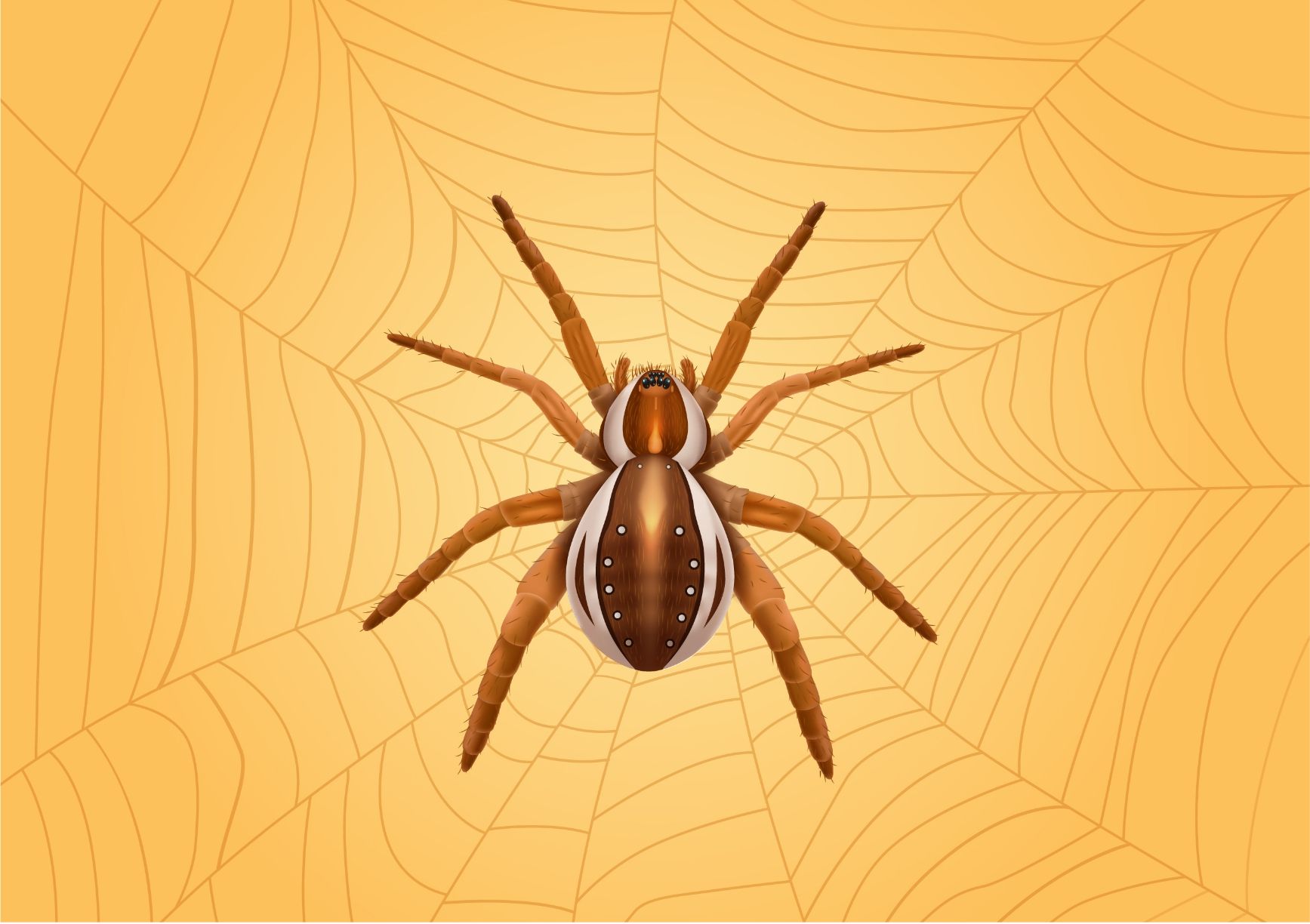
Various spider species, including brown recluse spiders in certain regions, seek indoor shelter as temperatures decline. While most Canadian spiders are harmless, their presence indicates other pest problems since spiders follow their prey other insects.
Overwintering Insects
Stink bugs, ladybugs (particularly Asian lady beetles), boxelder bugs, and cluster flies represent major overwintering insects concerns. These pests gather in large numbers seeking warm wall voids, attics, and other protected spaces. While generally harmless, they create nuisances and can trigger allergies.
Wasps and Hornets
Keeping wasps and hornets out in fall Canada requires vigilance as these stinging insects seek protected locations for queen survival. Queens search for attic spaces, wall voids, and crawl spaces where they can hibernate until spring. Discovering active nests requires immediate professional treatment.
Ants
Carpenter ants cause significant wood damage by excavating galleries for nesting. Fall activity increases as colonies prepare for winter, making early detection crucial for preventing extensive structural damage.
Essential Fall Pest Control Canada Strategies
Implementing comprehensive Fall Pest Control Canada measures requires systematic attention to multiple aspects of home protection. Follow this detailed pest control checklist before winter Canada to secure your property.
Seal Entry Points: Your Primary Defense
Seal cracks pests home Canada fall strategies form the foundation of effective pest prevention. Rodents, insects, and other pests exploit even tiny openings to gain entry to your home.
Inspect your home's exterior thoroughly, paying special attention to:
Foundation cracks and gaps where utility pipes, cables, and wires enter your home. Use steel wool combined with expanding foam for rodent-proof sealing. Mice and rats cannot chew through steel wool, making it ideal for mice in house fall prevention Canada applications.
Windows and doors require weathertight seals. Install or replace weather-stripping around all door frames, ensuring no gaps remain. Add door sweeps to exterior doors, particularly garage doors and basement entrances. Even quarter inch holes provide sufficient entry points for mice.
Damaged screens on windows, vents, and attic openings need immediate repair or replacement. Use fine mesh screening (16-gauge or smaller) that prevents even small insects from entering.
Roof vulnerabilities including loose shingles, damaged fascia, and compromised soffits create entry points for rodents, squirrels, raccoons, and overwintering insects. Inspect carefully and repair any damage before winter arrives.
Chimney openings should be protected with properly fitted caps featuring mesh screening. This prevents birds, rodents, and larger pests from entering while maintaining proper ventilation.
Apply silicone-based caulk or acrylic latex caulk to seal smaller cracks and crevices. For larger gaps, use expanding foam followed by caulking for a weatherproof finish. This dual approach supports both Fall Pest Control Canada objectives and energy efficiency.
Moisture and Drainage Management
Moisture attracts numerous pest species and contributes to wood rot that facilitates pest entry. Effective autumn pest proofing tips for homes Canada must address water management.
Clean gutters and downspouts thoroughly, removing all debris, fallen leaves, and blockages. Clogged gutters create standing water that attracts mosquitoes even in fall, while overflow damages foundations and creates moisture problems that attract cockroaches, silverfish, and carpenter ants.
Ensure downspouts direct water at least six feet away from your foundation. This prevents moisture accumulation that weakens foundation integrity and creates attractive conditions for pests.
Fix leaking pipes, faucets, and plumbing fixtures throughout your home. Even minor leaks create moisture that attracts cockroaches, silverfish, and other moisture-dependent pests.
Improve ventilation in attics, basements, and crawl spaces. Use dehumidifiers in humid areas to maintain dry conditions that discourage pest activity. Well ventilated spaces resist mold growth and pest establishment.
Yard and Landscape Maintenance
Your property's exterior significantly impacts Fall Pest Control Canada success. Implementing proper autumn pest proofing tips for homes Canada includes comprehensive yard care.
Trim branches that touch or overhang your home, maintaining at least a six-foot clearance. Tree branches provide highways for rodents, squirrels, and ants to access your roof and upper floors.
Trim bushes and shrubbery away from your home's foundation, maintaining an 18-inch clearance. Dense vegetation against walls creates hidden pathways and shelter for mice, rats, and insects.
Remove yard debris including fallen leaves, dead wood, and accumulated organic matter. Leaf litter harbors overwintering insects and provides nesting materials for rodents. Regular removal eliminates these resources and exposes pest activity.
Store firewood properly at least 20 feet from your home and five inches off ground on racks or pallets. Firewood stacked against buildings creates ideal harborage for termites, carpenter ants, spiders, and rodents. This simple fall pest prevention Canada measure prevents numerous problems.
Create a buffer zone of gravel or rock around your foundation. This 12-inch barrier discourages pest travel and makes inspection easier by eliminating hiding spots immediately adjacent to your home.
Food Storage and Sanitation
Food sources attract pests and support infestations. Proper management is crucial for Fall Pest Control Canada success.
Store all food in airtight containers made of glass, metal, or heavy-duty plastic to prevent pests from accessing it.Transfer pantry foods including grains, cereals, flour, and sugar from original packaging into sealed containers immediately after purchase. Rodents and insects easily penetrate cardboard and thin plastic packaging.
Keep kitchen counters clean, wiping up spills and crumbs immediately. Never leave food out overnight, and wash dishes promptly. Even small amounts of food residue attract cockroaches, ants, and mice.
Dispose garbage regularly in sealed receptacles with tight-fitting lids. Empty indoor trash daily, and ensure outdoor garbage containers seal properly. Rinse recyclables before storage to remove food residue.
Store pet food in sealed containers and don't leave bowls out overnight. Pet food attracts the same pests as human food, often in greater concentrations due to higher nutritional content.
Deep clean behind and under appliances, removing accumulated grease, food particles, and debris. These hidden areas often harbor pest populations that spread throughout your home.
Interior Protection Measures
How to pest-proof your home for winter Canada requires attention to often-overlooked interior spaces.
Declutter storage areas, basements, and attics. Excess clutter provides harborage and nesting sites for rodents and insects. Store items in durable plastic containers with tight sealing lids rather than cardboard boxes that rodents easily penetrate.
Keep boxes off floor on shelving or pallets. This prevents moisture damage and makes inspection easier while reducing available nesting sites.
Vacuum frequently, especially in dark secluded areas behind furniture and along baseboards. Regular cleaning removes food particles, pest droppings, and egg cases before populations establish.
Maintain undisturbed areas minimally inspect regularly for signs of pest activity including droppings, gnaw marks, grease marks, and unpleasant odors.
Protect your attic, basement, and crawl spaces with proper screening on vents and access points. These areas offer ideal conditions for overwintering pests home Canada and often show the first signs of infestation.

Professional Pest Control Services
While DIY fall pest prevention Canada measures provide essential protection, professional pest control services offer advantages for comprehensive Fall Pest Control Canada programs.
Licensed pest professionals possess expertise in identifying vulnerable areas homeowners often miss. Their training enables them to spot early signs of pest activity and implement targeted treatments before problems escalate.
Schedule Your Fall Inspection Today: Contact Pest Troopers for a professional assessment of your property's vulnerabilities and customized treatment recommendations.
Schedule a professional inspection in early fall (ideally mid-September) before pest migration peaks. Qualified pest control professionals assess your property's vulnerabilities and recommend customized solutions.
Commercial-grade products available to pest professionals offer superior efficacy compared to retail options. Professional-strength insecticides, rodenticides, and baits provide longer-lasting protection with safer application methods.
Pest control experts implement Integrated Pest Management (IPM) approaches that combine multiple strategies for maximum effectiveness. This systematic approach addresses current infestations while preventing future problems.
Many pest control companies offer seasonal preventive treatment programs specifically designed for Canadian climate challenges. These services typically include quarterly visits timed to address seasonal pest pressures, with fall and spring treatments being most critical.
Consider professional services essential if you notice signs of active infestation including live pests, fresh droppings, new gnaw marks, or unpleasant odors. Early professional treatment costs significantly less than addressing extensive infestations and prevents health risks and property damage.
Regional Considerations for Fall Pest Control Canada
Canada's diverse climate zones require tailored approaches to Fall Pest Control Canada. Understanding regional differences helps you implement an effective pest control checklist before winter Canada measures.
Eastern Canada
Atlantic provinces face significant moisture challenges from coastal weather. Emphasize drainage, ventilation, and dehumidifier use to combat moisture-loving pests like silverfish and cockroaches.
Quebec and Ontario experience dramatic temperature drops that trigger intense pest migration. Begin fall pest prevention Canada efforts in early September as rodent activity peaks earlier than western regions.
Prairie Provinces
Manitoba, Saskatchewan, and Alberta's extreme winter temperatures create desperate pest behavior. Rodents and insects show particular persistence in finding indoor shelter. Pay extra attention to foundation sealing and utility penetrations.
Western Canada
British Columbia's milder coastal climate extends pest activity seasons. Focus on moisture control in Lower Mainland areas while maintaining vigilance against rodents and carpenter ants year-round.
Mountain regions experience early winter onset requiring September completion of autumn pest proofing tips for homes Canada.
Northern Regions
Shorter fall seasons in northern territories require compressed prevention timelines. Complete all exterior work before mid-September, as freezing temperatures make caulking and sealing difficult.
Health and Safety Considerations
Fall Pest Control Canada protects more than property it safeguards family health. Understanding health risks associated with pest infestations underscores prevention importance.
Rodents spread numerous diseases through droppings, urine, and saliva. Hantavirus poses particular concern in Canada, transmitted through inhaling dust contaminated with rodent waste. Salmonella, E. coli, and Leptospirosis represent additional rodent-borne disease threats.
Cockroaches produce allergens that trigger asthma attacks and allergic reactions, particularly in children. Their droppings, shed skins, and saliva contain proteins that become airborne and contaminate indoor environments.
Rodents and insects carry parasitic worms, fleas, ticks, and lice that transmit additional diseases. Preventing pest entry eliminates these secondary health threats.
Contaminated food must be discarded immediately if pest activity is suspected. Rodents and cockroaches contaminate far more food than they consume, as bacteria spreads through contact.

Creating Your Fall Pest Control Canada Action Plan
Implement this timeline for optimal pest control checklist before winter Canada results:
Early September: Conduct thorough exterior inspection. Document all cracks, gaps, damaged screens, and potential entry points. Assess vegetation contact, firewood storage, and yard debris.
Mid-September: Begin repairs and sealing. Install door sweeps, replace weather-stripping, repair damaged screens, and seal foundation cracks. Schedule professional inspection if desired.
Late September: Complete yard maintenance including trimming, debris removal, and firewood relocation. Clean gutters and verify proper drainage.
Early October: Address moisture issues, install dehumidifiers, fix leaks, and improve ventilation. Reorganize storage areas using sealed containers.
Mid-October: Conduct final exterior inspection before freezing temperatures arrive. Apply additional caulking to any missed areas. Verify all vents are screened.
Late October: Implement enhanced sanitation protocols including sealed food storage, increased cleaning frequency, and proper waste management. Monitor for any pest activity signs.
November Onward: Maintain vigilance throughout winter. Monitor for signs of pest activity and address immediately. Schedule professional services if problems arise.

Conclusion
Fall Pest Control Canada represents an essential investment in home protection, family health, and property value. As Canadian temperatures drop and pests seek indoor shelter, proactive prevention measures provide comprehensive defense against unwanted invaders.
By implementing the strategies outlined in this guide from sealing entry points and managing moisture to proper sanitation and professional services you create multiple barriers that effectively exclude rodents, insects, and other common fall pests Canada house residents encounter.
Remember that successful fall pest prevention Canada requires both immediate action and ongoing vigilance. Begin your pest-proofing efforts in early September, complete all exterior work before freezing temperatures arrive, and maintain protective measures throughout winter.
Whether you choose DIY approaches or partner with professional pest control services, the key is taking action before pests establish themselves in your home. The relatively small investment in autumn pest proofing tips for homes in Canada prevents costly infestations, protects your family's health, and maintains your home's integrity throughout harsh Canadian winters.
Don't wait until you spot droppings, hear scratching in walls, or discover gnaw marks on stored items. Implement your Fall Pest Control Canada plan today to enjoy a pest-free home all winter long. Your proactive efforts now will pay dividends in comfort, safety, and peace of mind throughout the cold months ahead.
For properties with existing pest concerns or complex prevention needs, contact a licensed pest professional to develop a customized treatment plan. Their expertise ensures comprehensive protection tailored to your specific situation and regional pest pressures.
Protect your home, safeguard your family, and enjoy a comfortable, pest-free winter by making Fall Pest Control Canada a priority this autumn season.
Ready to protect your home? Don't wait until you spot droppings or hear scratching in walls. Contact Pest Troopers today to develop a customized Fall Pest Control Canada plan tailored to your property and regional needs.
FAQs: Fall Pest Control Canada
1. What are the most common fall pests in Canadian homes?
Rodents (mice and rats), cockroaches, spiders, stink bugs, cluster flies, ants, and wasps are the most frequent fall invaders across Canada.
2. How do rodents get into my home during fall?
Rodents can squeeze through openings as small as a dime. They enter through foundation cracks, gaps around pipes, vents, and poorly sealed doors.
3. What are signs of a rodent infestation?
Look for droppings, gnaw marks, scratching sounds in walls, foul odors, or shredded nesting material.
4. How can I seal entry points to prevent pests?
Use steel wool, caulking, and expanding foam to seal cracks and gaps. Install door sweeps and repair window screens to block entry.
5. Do overwintering insects cause damage?
Most, like stink bugs and cluster flies, don’t damage property but are a nuisance. However, they can trigger allergies and return annually if not controlled.
6. How can I pest-proof my kitchen?
Store food in airtight glass, metal, or heavy-duty plastic containers, clean spills immediately, and take out trash daily.
7. Can pests survive Canadian winters inside homes?
Yes. Many species, especially rodents and cockroaches, breed and thrive indoors all winter if not eliminated.
8. How can I prevent moisture-related pest problems?
Repair leaks, clean gutters, use dehumidifiers in basements and crawl spaces, and ensure proper drainage away from foundations.
9. Are natural pest repellents effective in fall?
Some natural methods, like peppermint oil or vinegar sprays, can deter pests but are rarely enough for full prevention.
10. How can I keep my home pest-free all winter?
Combine sealing, sanitation, moisture control, and routine inspections and schedule a professional pest control check before winter arrives.